
Yes, 5052 H32 aluminum can be welded easily. It has excellent weldability due to its aluminum-magnesium composition. Common welding methods include TIG and MIG welding. However, proper filler selection and heat control are important to avoid strength reduction in the heat-affected zone.
Is 5052 H32 Aluminum Plate Weldable?
5052 H32 aluminum is highly weldable and suitable for most conventional industrial welding processes. Unlike the 7000 series or some 2000 series aluminum alloys that are prone to severe hot cracking during welding, 5052 behaves predictably under a welding torch.
It does not rely on heat treatment for its strength. Instead, it is strain-hardened (the "H32" temper). Because of this, it maintains good corrosion resistance after welding, making it the ideal material for marine and structural sheet metal fabrications.
Recommended Welding Methods for 5052 H32 Aluminum Sheet
Choosing the right welding process depends on the thickness of the material and the production speed required by your fabrication shop.
- TIG Welding (GTAW) – Best for thin sheets and precision work.
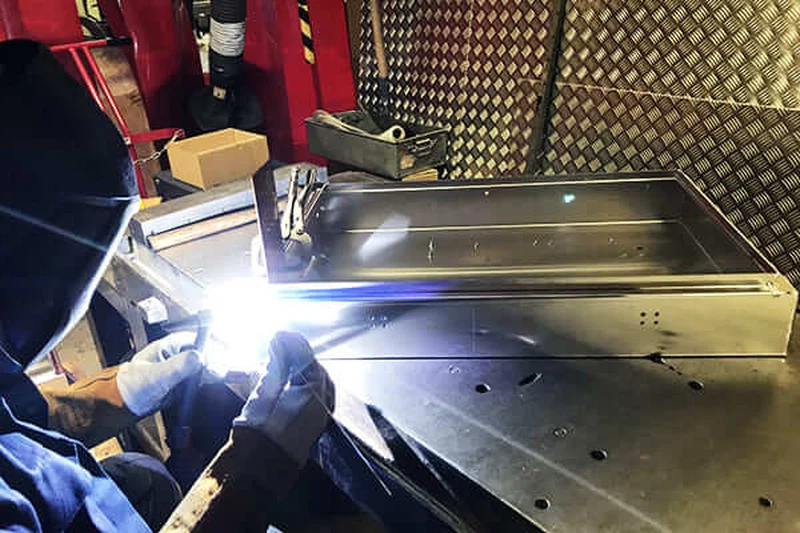
Tungsten Inert Gas (TIG) welding uses an alternating current (AC) power source. It is the best choice for welding 5052 H32 aluminum sheets under 3mm (1/8 inch) thick. It provides superior control over the heat input, creates visually clean and precise welds, and minimizes distortion on thin materials.
- MIG Welding (GMAW) – Suitable for thicker materials and high efficiency.
Metal Inert Gas (MIG) welding is highly efficient and faster. It is the preferred method for welding 5052 H32 aluminum plates that are 4mm or thicker. It is commonly used in structural fabrication, boat building, and manufacturing heavy-duty fuel tanks where deep penetration and speed are necessary.
- Laser Welding
While less common in manual shops, automated laser welding is increasingly used for 5052 aluminum coils in automotive and mass-production environments due to its highly focused heat and minimal distortion.
Recommended Filler Materials for Wholesale 5052 Aluminum Coil
Selecting the correct filler wire is the most critical step in welding 5052 aluminum. Using the wrong filler will result in weak joints or severe cracking.
ER5356 – Best for strength and corrosion resistance.
This is the standard and most highly recommended filler alloy for welding 5052 H32. ER5356 contains about 5% magnesium. It matches the base metal's composition perfectly, ensuring excellent corrosion resistance in saltwater environments. It also provides the highest shear strength and provides an excellent color match if the final part will be anodized.
ER4043 – Better for crack resistance (but less common for 5052).
ER4043 contains silicon, which makes the weld pool more fluid and reduces the risk of shrinkage cracking. However, it is generally not recommended for welding 5052 if the part will be used in marine environments or if it needs to be anodized (the weld will turn dark gray). It also offers lower joint strength compared to ER5356.
ER5183 – For extreme strength requirements.
Used in highly stressed structural applications, ER5183 offers even higher tensile strength than ER5356, though it is more expensive and less commonly required for standard 5052 fabrications.
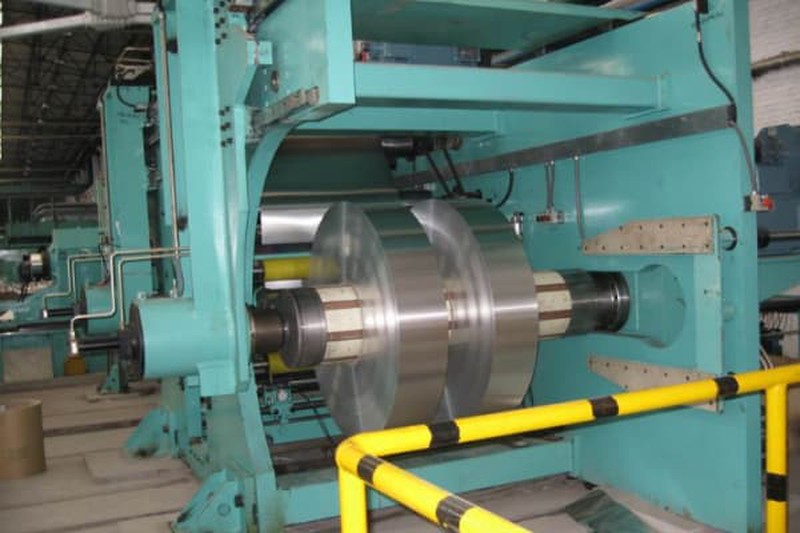
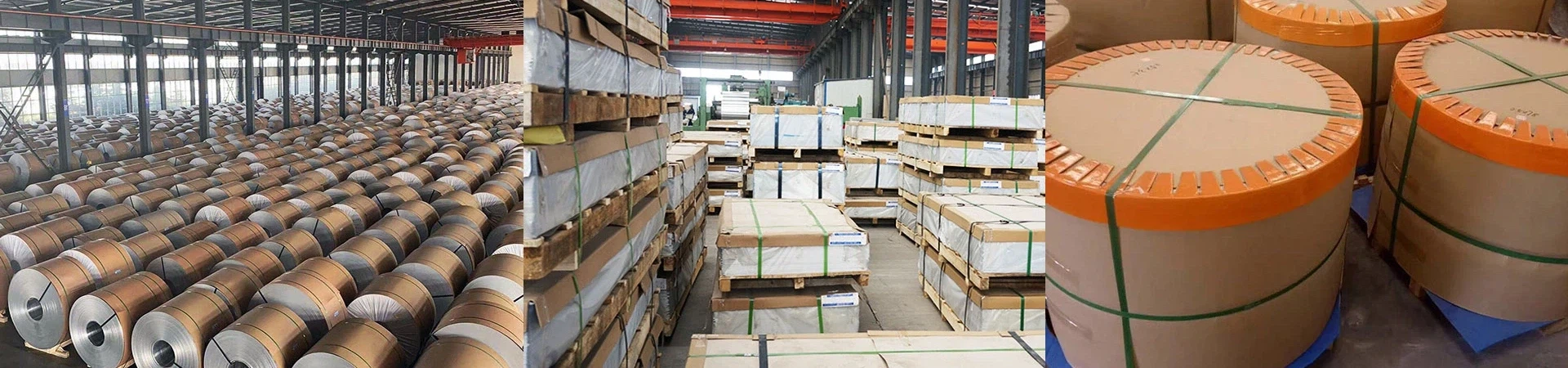
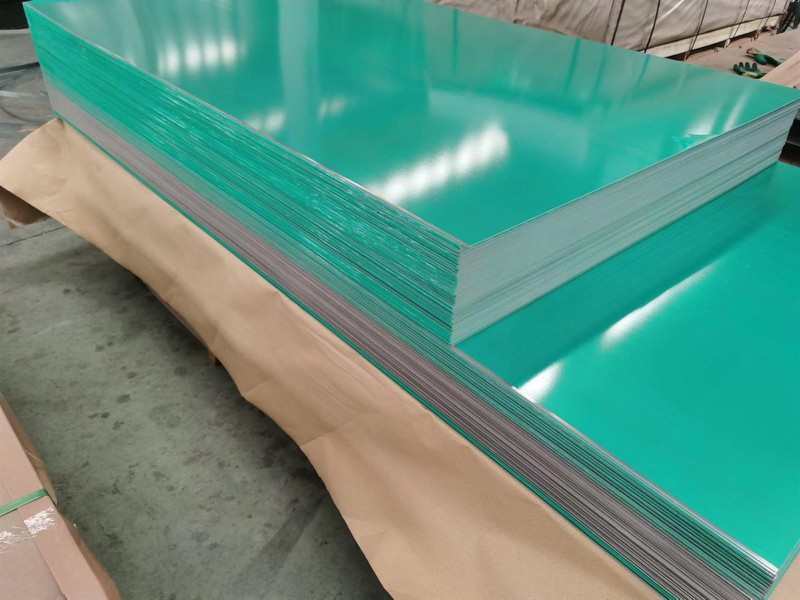
Are you looking for high-quality, fabrication-ready aluminum? GNEE maintains a massive inventory of 5052 H32 aluminum plates and sheets with excellent weldability.
Contact our sales team today for an updated price list and available sizes.
Best Practices and Welding Tips for 5052 H32 Aluminum
Aluminum welding is notorious for being less forgiving than steel. To achieve strong, defect-free welds on your 5052 aluminum products, you must follow strict preparation and operational protocols.
1. Clean the surface before welding to remove oxide layers
Aluminum naturally forms a tough aluminum oxide layer on its surface. This oxide melts at 2037°C (3700°F), while the 5052 aluminum base metal melts at only about 605°C (1120°F). If you do not remove the oxide, it will trap the molten metal and cause severe porosity. Always use a dedicated stainless-steel wire brush (used only for aluminum) to vigorously brush the weld zone right before striking an arc. Wipe the area with acetone to remove cutting oils or grease.
2. Use proper shielding gas
For both TIG and MIG welding of 5052 H32, use 100% pure Argon gas. Argon provides excellent arc stability and a good cleaning action. For welding extremely thick 5052 aluminum plates (over 12mm / 1/2 inch), a mixture of 75% Argon and 25% Helium can be used to increase heat penetration and weld speed.
3. Control heat input to reduce distortion
Aluminum conducts heat extremely fast and has a high coefficient of thermal expansion. This means 5052 H32 sheets will warp and distort if too much heat is applied. Use fast travel speeds, weld in short segments, or use copper backing bars (heatsinks) to pull excess heat away from the weld zone.
4. Avoid overheating to maintain mechanical properties
Do not weave the welding torch excessively or linger in one spot. Pumping too much heat into the metal will expand the heat-affected zone (HAZ) and unnecessarily weaken the surrounding material.
Common Welding Defects in Marine Grade 5052 Aluminum and How to Prevent Them
Even experienced welders face challenges when dealing with aluminum. Here are the most common issues when welding 5052 H32 and how to fix them.
- Porosity (Small holes in the weld): This is the most common defect. It is caused by hydrogen gas getting trapped in the molten weld pool. Solution: Ensure the base metal is completely free of moisture, oil, and dirt. Ensure your argon shielding gas flow rate is correct (typically 15-20 CFH) and that there are no drafts blowing the gas away from the torch.
- Hot Cracking: This happens when the weld pool solidifies and shrinks, pulling the metal apart. Solution: Ensure you are using the correct ER5356 filler wire. Also, fill the welding crater completely at the end of the weld bead before extinguishing the arc.
- Burn-Through: Common when welding thin 5052 sheets. Solution: Increase your travel speed, use an AC balance setting that favors penetration less, or step down your amperage.
Does Welding Affect 5052 H32 Aluminum?
Yes, welding may reduce strength in the heat-affected zone (HAZ).
The "H32" temper means the 5052 aluminum was strain-hardened (cold worked) at the mill to increase its strength. When you apply intense heat from a welding torch, the metal in the immediate vicinity of the weld (the HAZ) essentially undergoes a localized annealing process.
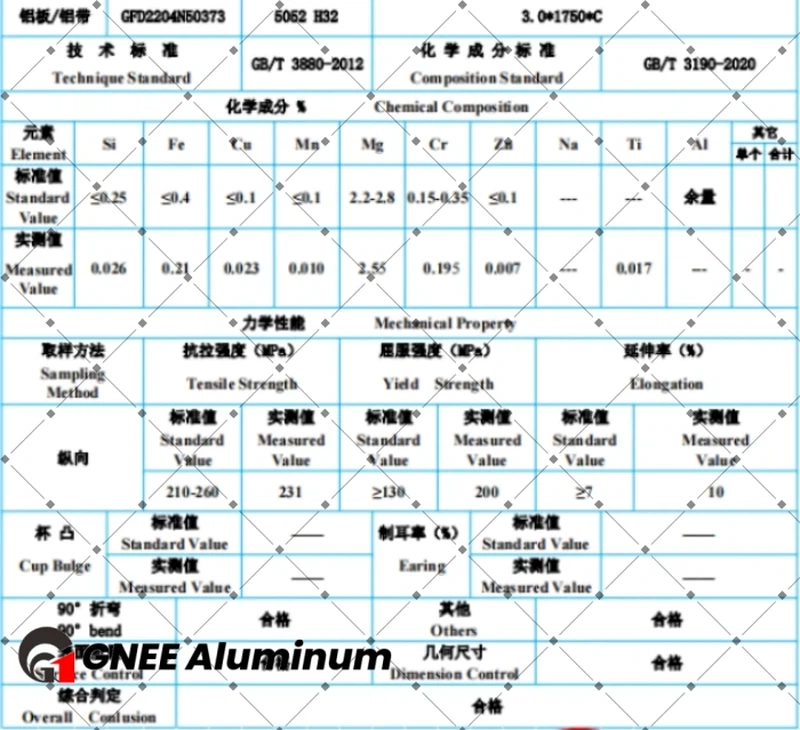
The tensile strength of 5052 H32 is typically around 230 MPa. After welding, the strength of the metal in the HAZ will drop to the strength of its annealed state (5052-O), which is roughly 170 to 190 MPa.
However, corrosion resistance remains excellent. The loss of strength in the HAZ is accounted for by structural engineers during the design phase, which is why 5052 remains a top choice for industrial and marine environments.
Applications of Welded 5052 H32 Aluminum
Because of its excellent weldability, rust resistance, and medium strength, welded 5052 H32 is the backbone of several heavy industries.
- Marine structures and boat panels: Welded 5052 is the industry standard for constructing pontoon boats, yacht decks, and commercial fishing boat hulls. It survives constant saltwater exposure without pitting.
- Fuel tanks and storage tanks: Its weldability ensures leak-proof joints, making it the prime material for heavy-duty truck diesel tanks and industrial liquid storage.
- Sheet metal fabrication: It is bent and welded into electrical enclosures, medical equipment cabinets, and toolboxes.
- Transportation equipment: Widely used in the construction of trailer sides, truck beds, and ambulance bodies to reduce vehicle weight without sacrificing durability.
Planning a large fabrication project? GNEE supplies premium 5052 H32 marine-grade aluminum globally with flexible MOQs.
Send us your specifications or drawings today to get a fast, competitive quote
Why Choose GNEE as Your Aluminum Supplier?
Securing a reliable material supplier is critical for fabrication efficiency. GNEE is a professional Chinese supplier providing premium 5052 aluminum plates, sheets, and coils in various tempers, including H32.
We guarantee that all our aluminum materials meet strict ASTM B209 standards, ensuring stable chemical compositions for flawless welding. The company supports customized sizes, multiple alloy options, tight dimensional tolerances, and reliable supply chains for global marine, transportation, and industrial fabrication applications. We use heavy-duty export packaging to ensure the metal arrives at your workshop free of moisture and ready to weld.