

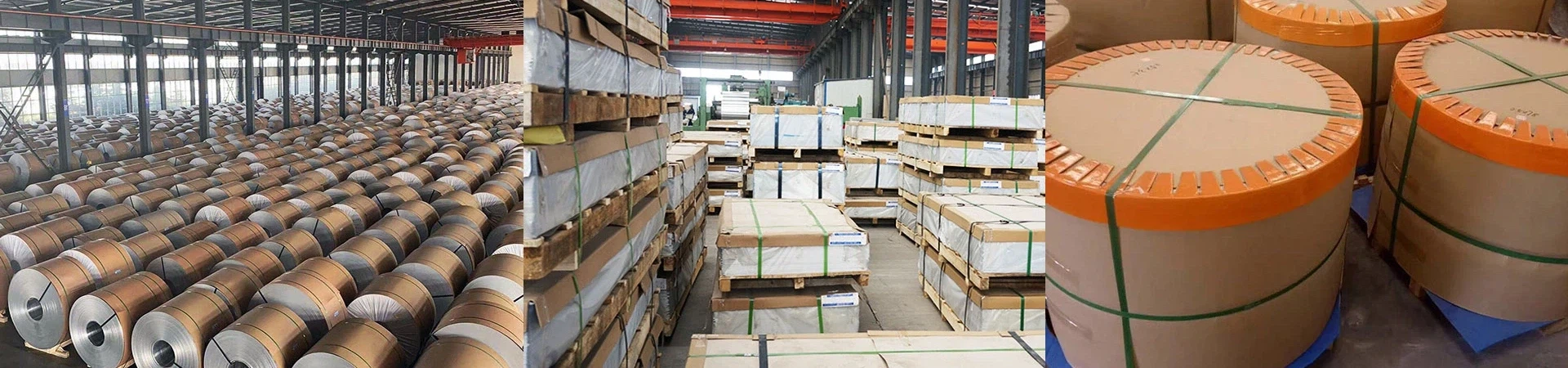

The main difference between 6061-T6 and 5052 H32 aluminum is strength and corrosion resistance. 6061-T6 is a heat-treated alloy with higher strength and excellent machinability. In contrast, 5052 H32 is a non-heat-treatable alloy with superior corrosion resistance and formability, making it the preferred choice for marine environments and sheet metal fabrication.
6061-T6 vs 5052 H32 Aluminum Sheet
When engineers and procurement managers select materials, they rely on data. Below is the direct comparison between these two popular aluminum grades.
| Property | 6061-T6 Aluminum | 5052 H32 Aluminum |
| Alloy Type | Heat-treatable | Non-heat-treatable |
| Main Alloying Elements | Magnesium (Mg) + Silicon (Si) | Magnesium (Mg) only |
| Tensile Strength | ~290 MPa (Higher) | 210–260 MPa (Medium) |
| Yield Strength | ~240 MPa | ≥ 130 MPa |
| Corrosion Resistance | Good | Excellent (Marine Grade) |
| Weldability | Good | Excellent |
| Machinability (CNC) | Excellent | Moderate |
| Formability (Bending) | Moderate to Poor | Good |
| Typical Standard | ASTM B221 / ASTM B209 | ASTM B209 |
Unsure which alloy fits your specific project? GNEE carries a massive inventory of both 6061-T6 and 5052 H32 aluminum plates.
Contact our technical sales team now for a fast quote and material recommendation.
Strength Difference Between 6061-T6 Aluminum Plate and 5052 H32
The most significant mechanical difference lies in their strength, which determines their load-bearing capabilities.
6061-T6 Aluminum Plate
6061-T6 aluminum has significantly higher strength due to its heat treatment process. The "T6" temper means the metal is solution heat-treated and artificially aged. This process aligns the molecular structure, giving 6061-T6 a tensile strength of around 290 MPa and a yield strength of 240 MPa. It can support heavy structural loads without deforming.
5052 H32 Aluminum Sheet
5052 H32 gains its strength through strain-hardening (cold working) rather than heat treatment. It has a tensile strength of approximately 210–260 MPa and a yield strength of around 130 MPa. While it is stronger than 1100 or 3003 alloys, it cannot match the rigid structural integrity of 6061-T6.
5052 H32 Marine Grade Aluminum vs 6061 Corrosion Resistance
If your final product will be exposed to water, chemicals, or outdoor weather, corrosion resistance is the primary deciding factor.
5052 H32 Aluminum
5052 H32 aluminum offers exceptional corrosion resistance, especially in seawater and high-humidity environments. The absence of copper and the high magnesium content create a robust oxide layer on the surface. Saltwater does not cause pitting easily. This makes 5052 the standard "marine grade" aluminum.
6061-T6 Aluminum
6061-T6 has good general corrosion resistance and performs well outdoors. However, because it contains silicon and trace amounts of copper to enable heat treatment, it is more susceptible to saltwater corrosion than 5052. If you use 6061 in marine environments, it typically requires surface treatments like anodizing or powder coating to prevent pitting.
Machinability and Formability of 6061-T6 and 5052 H32 Aluminum Coil
Processing these metals in a fabrication shop requires different approaches.
Machining (CNC Milling and Turning)
- 6061-T6: Better for machining and structural parts. It is highly favored by CNC machine shops. Because of its hardness, 6061-T6 chips break off cleanly during milling, drilling, and turning. It leaves a smooth, polished finish and does not gum up the cutting tools.
- 5052 H32: Moderate machinability. Because it is softer and more ductile, it tends to be "gummy." The chips are continuous and stringy, which can wrap around the tooling. It requires sharp tools and heavy lubrication to machine cleanly.
Formability and Bending
- 5052 H32: Easier to bend and form. This is the top choice for sheet metal fabrication. You can bend 5052 H32 to 90 degrees using a standard press brake without the material cracking on the outer edge, provided you use the correct bend radius.
- 6061-T6: Poor formability. Because it is artificially aged and rigid, 6061-T6 is very brittle when bent. If you attempt a sharp 90-degree bend on a 6061-T6 plate, it will almost certainly crack or break along the bend line. To bend 6061, you typically need an annealed (O temper) version, which you must heat-treat back to T6 after bending.
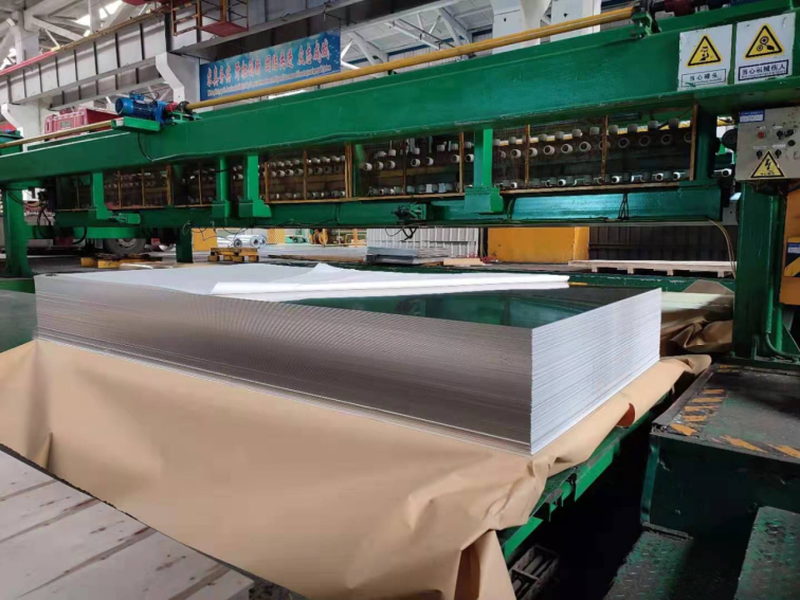
Welding 5052 H32 Aluminum Plate vs 6061-T6 Alloy
Weldability is a major concern for industrial manufacturing. Both alloys can be welded using standard TIG or MIG processes, but they behave differently.
- Welding 5052 H32: It has excellent weldability. The standard filler wire used is ER5356. The welds remain highly resistant to corrosion and match the base metal's color well after anodizing.
- Welding 6061-T6: It is highly weldable, usually using ER4043 or ER5356 filler wire. However, there is a critical drawback: the heat from the welding torch destroys the T6 heat treatment in the Heat-Affected Zone (HAZ). The metal near the weld loses a significant amount of its strength (often dropping to the strength of the O-temper). To recover the full strength, the entire welded assembly must be heat-treated again, which is often impractical.
Wholesale 6061-T6 vs 5052 H32 Aluminum Price
Generally, 6061-T6 aluminum is more expensive than 5052 H32 aluminum.
The price difference is driven by the manufacturing process. 5052 is simply rolled and strain-hardened (cold-worked). 6061 requires additional, energy-intensive processing steps: solution heat-treating, quenching, and artificial aging in an oven to reach the T6 temper. Furthermore, the addition of silicon and other alloying elements in 6061 increases raw material costs. If your project does not require high structural strength or heavy machining, choosing 5052 H32 can save your company significant material costs.
How to Tell 6061 and 5052 Apart?
If a shipment arrives at your factory, how do you verify if you received 6061 or 5052?
- Mill Test Certificate (MTC): Always demand an MTC from your supplier. Check the chemical composition. 6061 will show Silicon (Si) at 0.4%-0.8%. 5052 will have almost zero Silicon but higher Magnesium (Mg) at 2.2%-2.8%.
- Hardness Test: A simple Webster hardness tester can quickly identify them. 6061-T6 is noticeably harder than 5052 H32.
- Bend Test (Scrap piece): If you take a scrap piece and bend it 90 degrees in a vise, 5052 will bend smoothly. 6061-T6 will snap or show severe surface cracking.
6061-T6 vs 5052 H32 Applications Comparison
Because of their distinct properties, these two alloys dominate completely different industries.
Applications of 6061-T6 Aluminum Plate:
Due to its high strength-to-weight ratio and machining stability, it is used for:
- Structural components (beams, brackets, frames)
- Aerospace parts and aircraft fittings
- CNC machined products (auto parts, camera mounts, bicycle frames)
- Heavy-duty transport structures
- High-pressure hydraulic valve bodies
Applications of 5052 H32 Aluminum Sheet:
Due to its rust resistance and excellent sheet metal formability, it is used for:
- Marine structures (boat hulls, pontoon decks, dock components)
- Fuel tanks and pressure vessels
- Sheet metal fabrication (electronic enclosures, toolboxes, medical cabinets)
- Tread plates (anti-slip flooring for trucks and factories)
- Traffic signs and architectural panels
Which One Should You Choose?
Making the final decision comes down to how you plan to process the metal and where it will be used.
- Choose 6061-T6 aluminum if your project requires high structural strength, load-bearing capacity, or extensive CNC machining. Do not choose it if you need to bend the metal sharply.
- Choose 5052 H32 aluminum if your priority is corrosion resistance (especially in saltwater) or if your manufacturing process involves extensive sheet metal bending, stamping, and forming.
Why Choose GNEE as Your Aluminum Supplier?
Securing a reliable supply chain prevents production delays. GNEE is a professional Chinese supplier offering both 6061 and 5052 aluminum products in multiple tempers, thicknesses, and sizes.
We support customized specifications and ensure a stable supply for industrial, aerospace, and marine applications. All our materials meet international ASTM standards and come with verifiable chemical and mechanical test reports. Our factory is equipped with advanced rolling mills and slitting lines to deliver flat, clean, and accurately dimensioned aluminum plates and coils directly to your port.
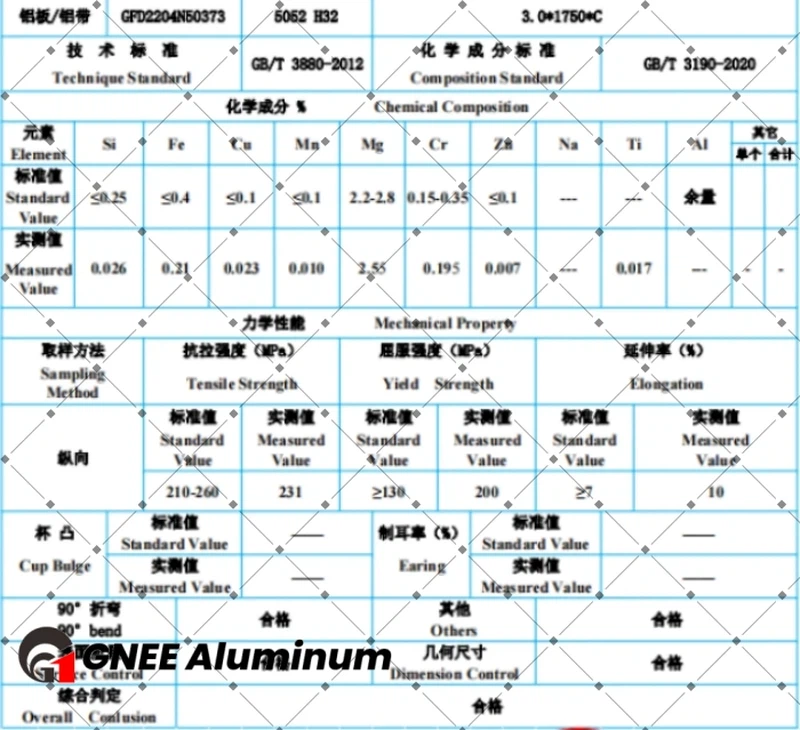
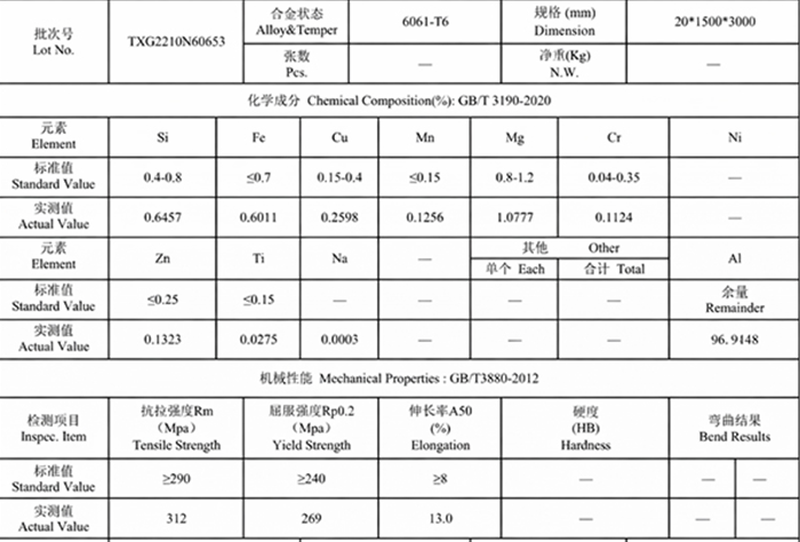
Whether you need standard wholesale 6061-T6 plates or custom-cut 5052 H32 coils, we deliver quality on time.
Email your specifications to us today to get the latest wholesale pricing


