

1100 aluminum checker plate has excellent corrosion resistance and long surface durability against rust, but it has low mechanical durability (strength and wear resistance). It performs perfectly in light-duty, non-load-bearing environments, but it is not suitable for heavy-duty flooring, forklift traffic, or high-impact industrial use.
When purchasing wholesale aluminum tread plates, understanding what "durability" actually means for your specific project is the key to saving money and avoiding material failure. Below is a complete guide to the durability of the 1100 alloy, comparing it with other common materials to help you make the right purchasing decision.
1. What "Durability" Really Means for 1100 Aluminum Checker Plate
When buyers ask, "How durable is 1100 aluminum?" they often confuse rust resistance with physical strength. For metal plates, durability is not just one concept. We must break it down into three different categories:
① Corrosion Durability (Excellent)
Because the 1100 alloy is commercially pure aluminum (contains ≥ 99.0% aluminum), it has outstanding corrosion durability. When exposed to oxygen, it instantly forms a dense natural oxide layer that protects the internal metal from water and humidity. It will not rust like steel. In outdoor environments, rain, or humid indoor conditions, 1100 aluminum will last for decades without needing paint or protective coatings.
② Mechanical Durability against Deformation (Low)
Mechanical durability refers to how much weight or impact the metal can take before it bends or dents permanently. Because it is pure aluminum with almost no strengthening elements (like magnesium or manganese), 1100 is a very soft metal. It has poor load-bearing capacity. If you drop heavy tools on it or drive a heavy vehicle over it, it will dent easily.
③ Surface Wear Resistance (Moderate to Low)
Wear resistance means how well the raised patterns (diamond or 5-bar) handle daily friction. The patterns on an 1100 aluminum checker plate help prevent slipping, but the material itself is soft. Under constant heavy foot traffic with work boots, or if objects are dragged across it daily, the raised anti-slip patterns will slowly wear down and flatten faster than harder alloys.

Key Durability Data of 1100 Aluminum Tread Plate
To understand exactly how 1100 performs, we must look at the actual engineering data. As a direct manufacturer, GNEE provides the following typical data for 1100 aluminum checker plate (typically in H14 or H24 temper).
| Durability Property | 1100 Checker Plate Data |
| Aluminum Purity | ≥ 99.0% |
| Tensile Strength | 90 – 110 MPa |
| Yield Strength | ~ 35 MPa |
| Corrosion Resistance | Excellent |
| Wear Resistance | Moderate / Low |
| Load Capacity | Low |
What the data means for you: A yield strength of only ~35 MPa means that under concentrated heavy pressure, the metal will yield (bend and not return to its flat shape) very quickly. This data proves that 1100's durability lies entirely in its chemical resistance to rust, not in its physical strength to hold weight.

Application Performance of 1100 aluminum checker plate
If you use 1100 in the following applications, its durability will impress you, offering a very long service life with zero rust and low maintenance:
- Decorative Panels (Interior/Exterior): Used as wall cladding in commercial gyms, retail stores, and garages. Since nobody walks on walls, physical strength is not needed, and the rust-proof bright surface lasts for years.
- Ceiling Systems and Corner Guards: Perfect for protecting building corners from light bumps by shopping carts.
- Light-Duty Walkways: Pedestrian bridges, residential attic floors, or maintenance catwalks where only people walk, and no heavy cargo is placed.
- Protective Coverings: Used as tool box covers or cosmetic step plates on light vehicles.
How Thickness Affects the Durability of 1100 Aluminum Diamond Plate
Even if you choose a softer alloy like 1100, the thickness of the plate plays a massive role in its overall mechanical durability. A thicker plate will resist denting better than a thin one.
- 1.0 mm – 2.0 mm (Thin plates): Extremely low mechanical durability. Only use these for wall decoration, elevator interiors, and cosmetic trims. Do not step on them.
- 2.0 mm – 3.0 mm (Medium plates): Good for light-duty anti-slip covering over an existing solid wood or steel floor.
- 3.0 mm – 6.0 mm (Thick plates): Provides reasonable durability for pedestrian stairs, light walkway platforms, and freezer room floors.
Why Choose GNEE as Your Aluminum Plate Supplier?
- 100% Quality Guarantee: We do not use low-quality recycled scrap that ruins corrosion resistance. We guarantee our 1100 aluminum meets the ≥99.0% purity standard.
- Custom Size Processing: We have advanced slitting and cutting machines to provide you with the exact dimensions you need, reducing your installation waste and saving costs.
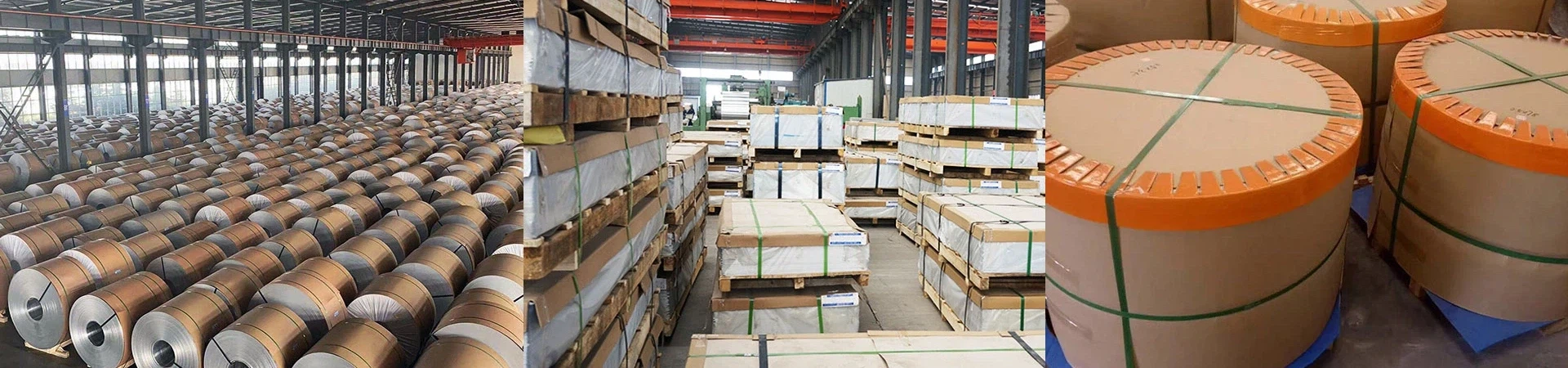
- Strict Packaging: To ensure surface durability during ocean shipping, every pallet is wrapped in waterproof kraft paper, protected with plastic film, and secured with steel straps on strong wooden pallets.
- Global Export Experience: With over a decade of experience, we supply factory-priced aluminum to contractors, distributors, and manufacturers in over 100 countries.


