

1100 aluminum tread plate is NOT ideal for heavy-duty flooring, but it is suitable for light-duty, decorative, or low-load applications due to its excellent corrosion resistance and formability, rather than strength.
If your project requires supporting heavy machinery, heavy vehicles, or constant high-impact loads, you should choose stronger alloys like 3003 or 5052 aluminum.
Below is a detailed guide comparing the strength, applications, and technical specifications of different aluminum flooring plates to help you make the right purchasing decision.
Strength Comparison of 1100, 3003, and 5052 Aluminum Flooring Plates
When buyers ask if 1100 aluminum is strong enough, they are usually deciding whether they can save money by using pure aluminum instead of alloyed plates like 3003 or 5052.
To understand why 1100 is considered soft, we must look at the key mechanical properties of these three common flooring alloys:
| Property | 1100 Aluminum Plate | 3003 Aluminum Sheet | 5052 Aluminum Plate |
| Tensile Strength | ~90 – 110 MPa | ~120 – 160 MPa | ~210 – 260 MPa |
| Yield Strength | ~35 MPa | ~50 – 110 MPa | ~130 MPa |
| Hardness (HB) | Low (~23 HB) | Medium (~35 HB) | High (~60 HB) |
| Load Capacity | Low | Medium | High |
Why Yield Strength Matters for Aluminum Floors
Yield strength is the point at which a metal permanently bends or deforms. The yield strength of 1100 aluminum is only about 35 MPa. This is very low.
If you put a heavy concentrated load (such as a heavy pallet, a forklift wheel, or heavy industrial machinery) on a 1100 aluminum checker plate, the metal will exceed its yield point. It will dent, bend, and permanently lose its flat shape. The raised slip-resistant patterns on the surface will also flatten under heavy friction.
Therefore, for structural load-bearing floors, 1100 pure aluminum is simply not strong enough.

Where to Use 1100 Aluminum Checker Plate Floors
There are several scenarios where 1100 aluminum flooring works perfectly and saves you a significant amount of budget:
- Decorative Flooring and Trim: In commercial showrooms, retail stores, gyms, or garages where the floor plates are installed purely for aesthetics or light foot traffic.
- Wall Protection and Wainscoting: When the plate is mounted on walls or columns to protect them from light cart bumps. It is technically "wall flooring" and does not carry structural weight.
- Low-Traffic Walkways: Walkways in residential attics, light-duty maintenance rooms, or cleanrooms where only a few workers walk occasionally.
- Anti-Slip Protective Covers: Installed as step-up plates on RVs, trailers, or steps where there is a strong steel frame directly underneath the aluminum plate to support the actual weight.

The Value of 1100 Alloy in Flooring
In these non-structural scenarios, buyers choose 1100 pure aluminum because it offers:
- Lower Cost: It is significantly cheaper to bulk buy 1100 plates than 3003 or 5052 because it is pure aluminum without expensive alloying elements.
- Excellent Workability: It is highly ductile. It can be easily cut, bent, and formed into custom shapes (like step plates or corner wraps) without cracking.
- Maximum Rust Resistance: With ≥99.0% purity, it forms a highly stable natural oxide layer, making it completely rust-free in humid indoor environments.
Technical Specifications of GNEE 1100 Aluminum Floor Sheets
GNEE manufactures 1100 aluminum floor plates in a wide range of sizes. We can custom-cut and process sheets to fit your specific manufacturing or installation needs.
| Parameter | Specifications & Capabilities |
| Thickness | 1.0 mm – 6.0 mm |
| Width | Up to 3000 mm (Standard: 1000mm, 1200mm, 1250mm, 1500mm) |
| Length | Up to 6000 mm (Standard: 2000mm, 2500mm, 3000mm) |
| Temper | H14 (Half Hard) / H24 (Partially Annealed) / O (Soft) |
| Pattern Types | 5-Bar / Diamond (1-Bar) |
| Surface Finish | Mill Finish, Bright Polish, PVC Coated, Anodized |
How to Choose the Right Aluminum Floor Alloy
- Choose 1100 Aluminum Tread Plate (Thickness: 1.0mm – 2.0mm)
General Industrial Use: (e.g., light utility trailers, standard walking steps, warehouse ramps)
- Choose 3003 Aluminum Flooring Plate (Thickness: 2.0mm – 3.0mm)
Heavy-Duty and Wet/Marine Use: (e.g., heavy cargo truck beds, dock walkways, ship platforms)
- Choose 5052 Aluminum Checker Plate (Thickness: 3.0mm – 6.0mm)
Why Choose GNEE as Your Aluminum Flooring Supplier?
- Direct Factory Wholesale Prices: We are a direct manufacturer. By buying from us in bulk, you bypass brokers and get the lowest factory prices.
- Strict Thickness and Dimension Control: We inspect every batch using digital micrometers. We guarantee that the delivered thickness strictly matches the ordered specs within international standards.
- Customization Options: Whether you need specific widths, lengths, or protective PVC film on the pattern, we can customize your order.
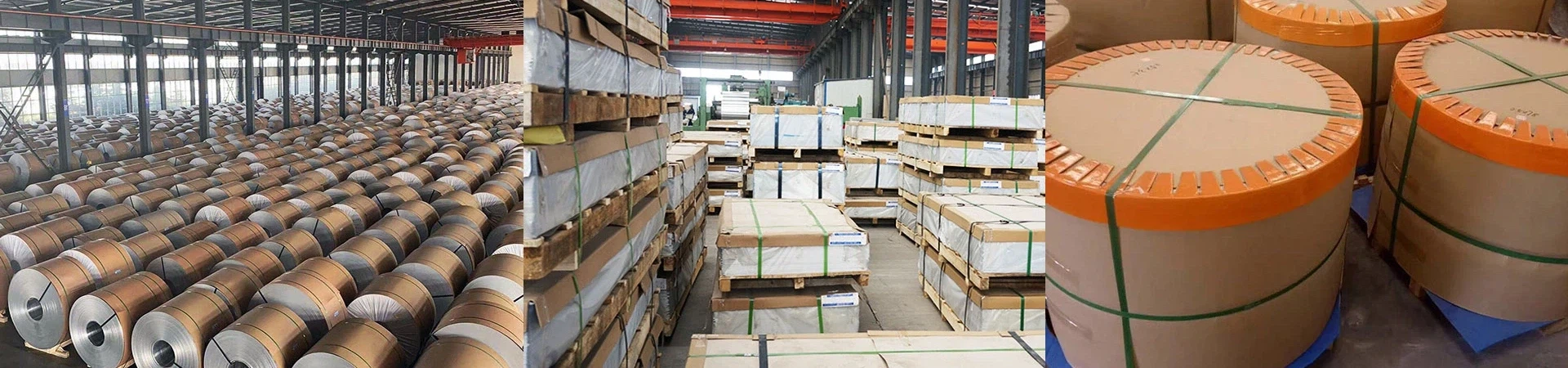
- Fumigated Seaworthy Packaging: All sheets are wrapped in waterproof paper, secured with steel bands, and loaded onto strong, fumigated wooden pallets to prevent damage during ocean transit.

FAQ
Q1: Can 1100 aluminum be used for flooring?
A: Yes, but only for light-duty or decorative applications. Because 1100 has a low yield strength (~35 MPa), it is not strong enough for heavy load-bearing or industrial vehicle traffic.
Q2: What is the best aluminum for flooring?
A: It depends on the load. 3003 aluminum is the best all-purpose alloy for general industrial floors and trailer beds. 5052 aluminum is the best choice for heavy-duty load platforms and marine decks due to its high strength.
Q3: Why is 1100 aluminum so soft?
A: Because it is nearly pure aluminum (contains ≥99.0% Al). It lacks chemical additives like magnesium or manganese, which are used in other alloys to increase hardness and mechanical strength.
Q4: Is aluminum tread plate anti-slip?
A: Yes. The raised patterns (such as 5-bar or diamond designs) significantly increase surface friction, providing excellent slip resistance even when the floor is wet or dusty.


