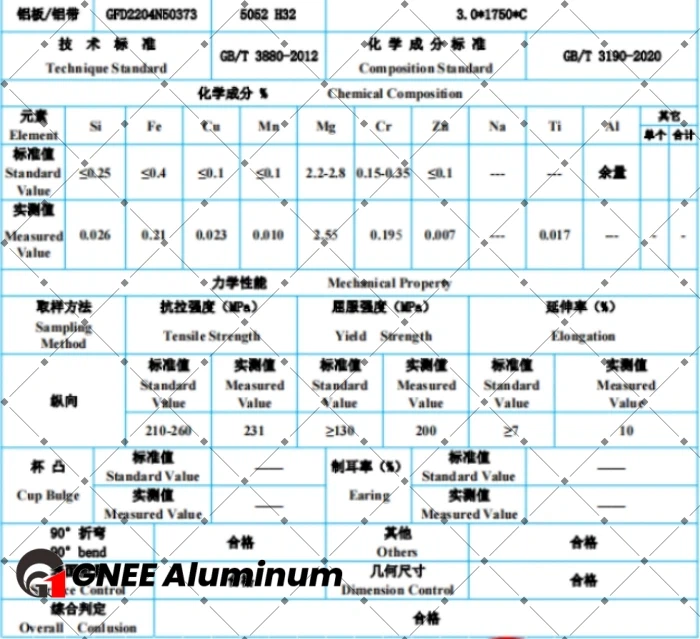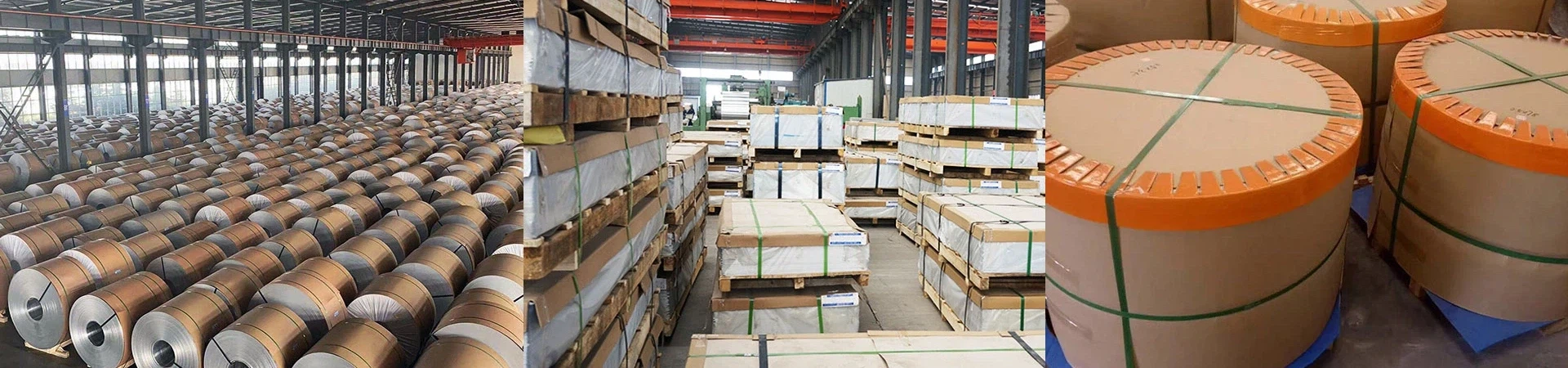

Yes, 5052-H32 aluminum is highly bendable and offers excellent formability. Although it is a strain-hardened alloy, it can be bent up to 90 degrees without cracking under proper conditions. It performs much better than higher-strength structural alloys, making it the primary choice for sheet metal fabrication and marine applications.
Can 5052-H32 Aluminum Sheet Be Bent?
When sheet metal fabricators evaluate materials, 5052-H32 aluminum is often the standard benchmark for bending.
It can be bent easily compared to many other aluminum alloys. The secret lies in its composition and temper. As an aluminum-magnesium alloy, it does not rely on heat treatment for its strength. The "H32" temper means it has been strain-hardened and partially annealed (quarter-hard).
This specific thermal and mechanical processing creates a material that maintains a perfect balance between medium structural strength and high ductility, making it highly suitable for press brake bending, rolling, and complex forming processes.
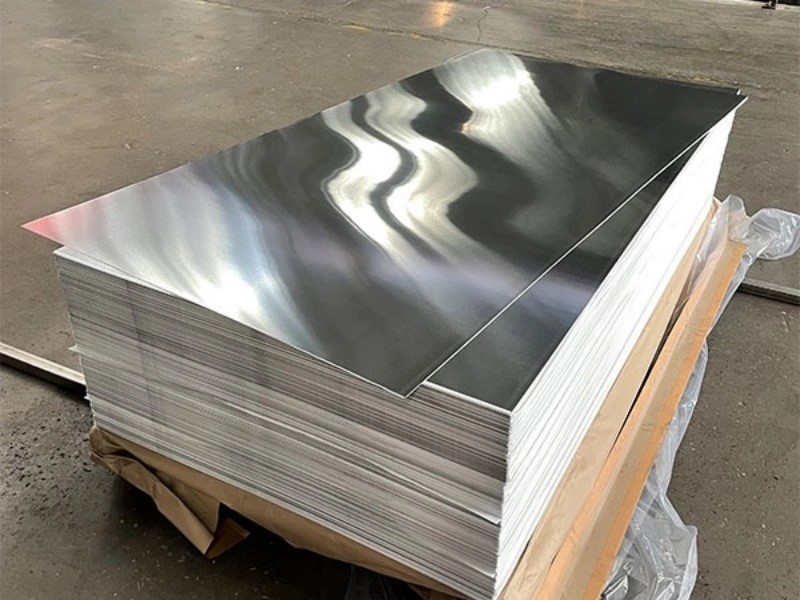
Formability of 5052-H32 Marine Grade Aluminum
Formability refers to a metal's ability to undergo plastic deformation without fracturing. The formability of 5052-H32 is considered outstanding in the industrial sector.
- Excellent Cold Bending: You can bend this alloy at room temperature. It does not require pre-heating, saving significant time and energy costs in the fabrication shop.
- Low Crack Risk: Unlike rigid structural alloys, the high elongation rate of 5052-H32 allows the outer fibers of the metal to stretch during a bend without tearing or fracturing.
- Consistent Response: Because it is not heat-treated, its mechanical properties are uniform across the sheet, resulting in predictable bending angles and consistent production runs.
Minimum Bend Radius for 5052-H32 Aluminum Plate
The most critical factor in preventing cracks during fabrication is adhering to the correct minimum bend radius. If you force the metal into a corner that is too sharp, the outer tension will exceed the material's ultimate tensile strength, causing it to snap.
The recommended minimum bend radius for 5052-H32 aluminum is typically 1.5 to 2 times the material thickness (1.5t to 2t), depending on processing conditions.
Here is a practical reference guide for standard sheet thicknesses:
- For 1.0 mm to 3.0 mm (approx. 0.040" to 0.125") thickness: The minimum bend radius is usually 1.5 times the thickness (1.5t). For example, a 2.0 mm thick sheet requires a minimum inner bend radius of 3.0 mm.
- For 3.0 mm to 6.0 mm (approx. 0.125" to 0.250") thickness: The minimum bend radius increases to 2 times the thickness (2.0t) to account for the larger volume of metal being displaced.
- For plates thicker than 6.0 mm: The radius may need to increase to 2.5t or 3t, and larger V-dies must be used on the press brake.
Upgrading your fabrication materials? GNEE stocks premium 5052-H32 aluminum sheets with excellent bending properties.
5052-H32 vs 6061-T6 Aluminum Coil
Buyers frequently hesitate between 5052 and 6061 alloys. If your project requires bending, understanding the stark difference between these two is vital to avoid high scrap rates.
| Property | 5052-H32 Aluminum | 6061-T6 Aluminum |
| Alloy Type | Non-heat-treatable (Strain hardened) | Heat-treatable (Artificially aged) |
| Bendability | Good (Bends smoothly) | Poor (Brittle, resists bending) |
| Crack Risk | Low | Very Higher |
| Formability | Better | Limited |
| Minimum Bend Radius (approx.) | 1.5t to 2t | 4t to 6t (Often requires annealing first) |
Conclusion: 5052-H32 is specifically designed for sheet metal forming. 6061-T6 is designed for rigid structural support and CNC machining. If you attempt a sharp 90-degree bend on a 6061-T6 plate, it will almost certainly break. Always choose 5052-H32 if your design involves press brakes or folding machines.
Expert Bending Tips for Wholesale 5052-H32 Aluminum
To achieve flawless bends and minimize waste in your production line, follow these industry best practices.
1. Bend Perpendicular to the Grain Direction
During the manufacturing process at the aluminum mill, rolling the metal creates a "grain direction" (similar to the grain in wood). You should always plan your cuts and bends so that the bend line runs perpendicular (at a 90-degree angle) to the grain direction. Bending parallel to the grain increases the risk of cracking significantly, as it forces the metal to separate along its natural rolling lines.
2. Select the Correct V-Die Width
When using a press brake, the width of the bottom V-die is crucial. For 5052-H32 aluminum, the standard rule is to use a V-die opening that is 8 times the thickness of the material (8t). If the die opening is too narrow, the pressure on the metal increases, leading to cracking and excessive tool wear.
3. Account for Springback
All metals exhibit "springback" after being bent. Because 5052-H32 is strain-hardened, it has a slight elastic memory. When you bend it to exactly 90 degrees and release the pressure, it might spring back to 91 or 92 degrees. Fabricators must "overbend" the material by 1 to 3 degrees to compensate for this effect.
4. Use Proper Tooling and Lubrication
Do not use press brake dies that have been heavily used for carbon steel, as steel shards can embed into the softer aluminum, causing galvanic corrosion and surface scratching. Ensure the punch tip is smooth and appropriately radiused. Light lubrication can also help the metal flow into the die without galling.
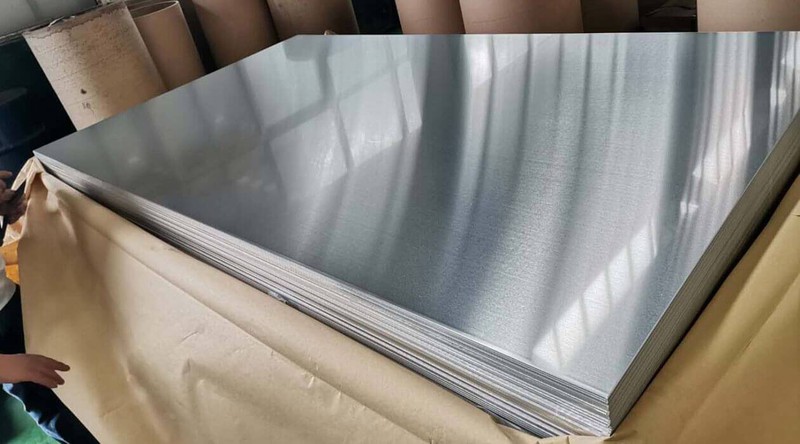
Common Defects When Bending 5052 Aluminum and How to Fix Them
Even with highly formable materials, improper setups can cause defects. Here is how to identify and prevent them.
- Cracking on the Outer Radius: This happens when the bend radius is too tight or if you are bending parallel to the grain direction. Fix: Increase the punch tip radius (use a larger tool) and rotate the flat pattern layout by 90 degrees on your cutting table.
- Orange Peeling: The surface of the outer bend looks rough, like the skin of an orange. This occurs because the grain structure is stretching beyond its smooth limits. Fix: This is often an aesthetic issue rather than a structural failure. To minimize it, increase the bend radius slightly.
- Severe Tool Marks (Galling): Deep scratches appear on the outer surface of the bend. Fix: Apply a urethane film over the bottom V-die before bending. This prevents direct metal-to-metal contact and leaves the aluminum surface completely unblemished, which is critical for decorative or anodized parts.
Applications Requiring Bent 5052-H32 Aluminum Plate
Because it combines medium strength, high bendability, and superior corrosion resistance, this alloy dominates several manufacturing sectors.
- Sheet Metal Fabrication: Used to manufacture electrical enclosures, HVAC ductwork, computer chassis, and medical equipment cabinets.
- Marine Structures: It is the standard material for boat hulls, pontoon decks, and custom marine fuel tanks, as it bends easily to form curved hull shapes and withstands saltwater corrosion.
- Automotive and Transportation: Widely used in the manufacturing of truck trailer side panels, toolboxes, and ambulance bodies, where weight reduction and curved aerodynamics are required.
- Architectural Panels: Folded into decorative wall claddings, roofing panels, and outdoor signage.
Ready to streamline your manufacturing process with highly formable aluminum? GNEE supplies custom-cut 5052-H32 plates and coils with fast global shipping.
Send us your specifications today to get an exact quote within 24 hours.
Why Choose GNEE as Your 5052 Aluminum Supplier?
Securing a reliable supply of raw materials ensures your fabrication shop runs smoothly without downtime or rejected parts. GNEE is a leading Chinese supplier providing premium 5052 aluminum sheets, plates, and coils in the H32 temper.
Our materials strictly comply with ASTM B209 standards, ensuring stable mechanical properties, exact thickness tolerances, and predictable bending performance batch after batch. We support flexible sizes, multiple alloy options, and robust export packaging. Whether you are stamping small enclosures or bending massive boat hulls, GNEE offers a stable supply chain and highly competitive wholesale pricing for industrial and marine applications worldwide.