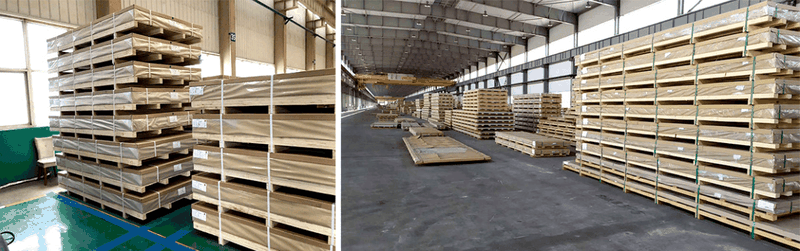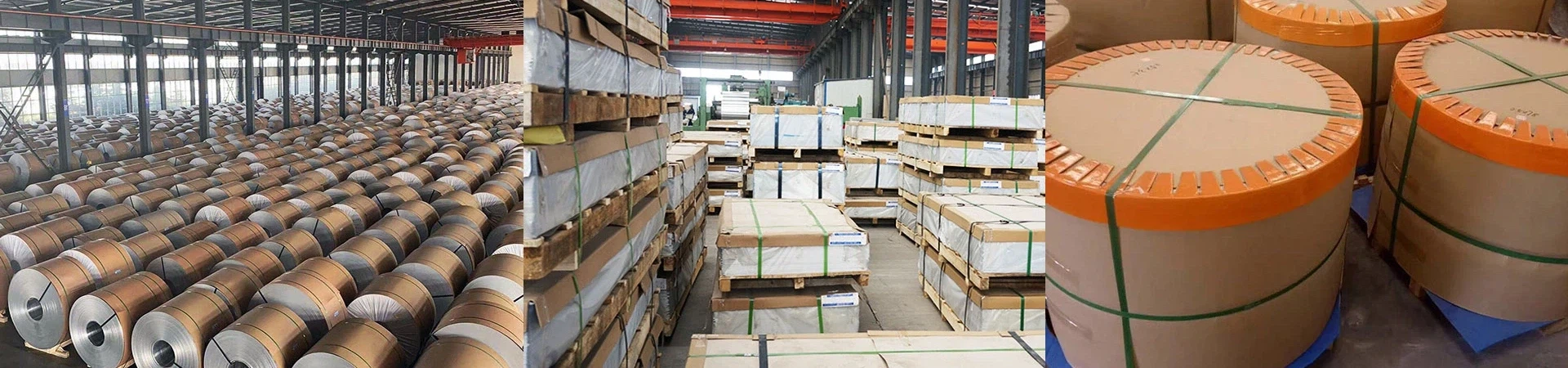

5052 aluminum is generally better for welding than 6061 aluminum. It offers excellent weldability, lower crack sensitivity, and better corrosion resistance after welding. In contrast, 6061 can be welded but may lose significant strength in the heat-affected zone (HAZ) and often requires post-weld heat treatment to restore its mechanical properties.
Which Aluminum Sheet Alloy Is Better for Welding: 5052 or 6061?
When metal fabricators design a welded assembly, choosing the correct base metal is the most critical decision.
The 5052 aluminum sheet is the better choice for most standard welding applications.
The fundamental difference lies in their metallurgical categories. 5052 is a non-heat-treatable alloy, meaning its strength is derived from cold working (strain hardening) rather than thermal processing. 6061 is a heat-treatable alloy that relies on precise heating and quenching processes (like the T6 temper) to achieve its high strength. When you apply the intense heat of a welding torch, these two materials react in entirely different ways.
5052 vs 6061 Aluminum Plate Welding Comparison
Below is a direct technical comparison of how these two popular aluminum grades behave during and after the welding process.
| Property | 5052 Aluminum Plate | 6061-T6 Aluminum Plate |
| Weldability | Excellent | Good (Requires more care) |
| Crack Sensitivity | Low | Higher (Prone to hot cracking) |
| Strength After Welding | Highly stable | Severely reduced in HAZ |
| Post-Weld Heat Treatment | Not required | Often required for structural use |
| Corrosion Resistance | Excellent (Marine grade) | Good |
| Recommended Filler Wire | ER5356 | ER4043 or ER5356 |
| Main Alloying Elements | Magnesium (Mg) | Magnesium (Mg) + Silicon (Si) |
Are you designing a welded structure and need reliable raw materials? GNEE stocks a massive inventory of both 5052 and 6061 aluminum plates ready for fabrication.
Contact our technical sales team today for a fast quote and material recommendation
Why Is 5052 Aluminum Sheet Better for Welding?
5052 aluminum, especially in the common H32 temper, is considered the workhorse of the sheet metal welding industry. Here is why engineers prefer it:
1. A Non-Heat-Treatable Alloy
Because 5052 does not gain its strength from an artificial aging process, the heat from a TIG or MIG welder does not destroy a complex internal molecular structure. While the heat-affected zone (HAZ) will soften slightly to its annealed (O) state, the strength reduction is predictable and minimal compared to heat-treated alloys.
2. Lower Risk of Hot Cracking
During the cooling phase of welding, aluminum shrinks. Some alloys cannot handle this stress and crack right down the center of the weld. Because 5052 is highly ductile and contains up to 2.8% magnesium without added silicon, it has excellent resistance to solidification cracking.
3. Maintains Exceptional Corrosion Resistance
5052 is a marine-grade alloy. Welding does not compromise its ability to fight oxidation. The weld seams remain highly resistant to saltwater, industrial chemicals, and harsh weather, making it perfect for outdoor and marine fabrications.
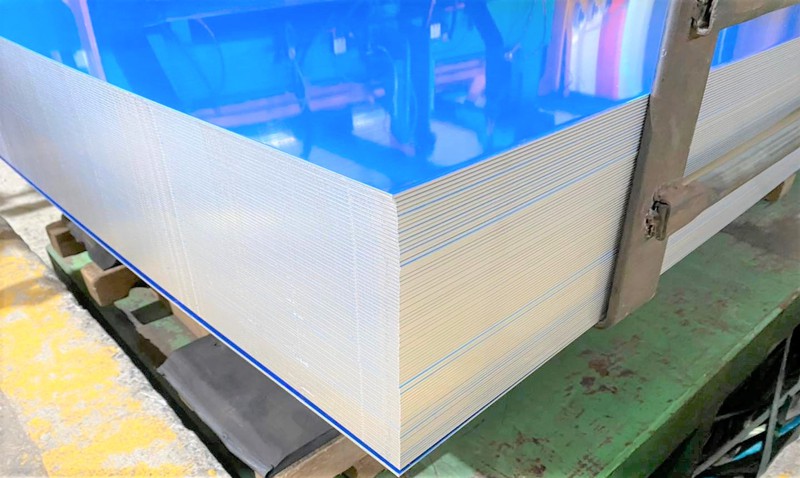
Welding Characteristics of 6061-T6 Aluminum Plate
6061-T6 is incredibly strong, which makes it the go-to structural aluminum. However, its immense strength becomes its biggest liability when welding.
1. Severe Strength Loss in the Heat-Affected Zone (HAZ)
The "T6" temper in 6061 means the aluminum has been solution heat-treated and artificially aged. When you weld 6061-T6, the welding arc (which exceeds 600°C) locally anneals the metal. The material in the HAZ instantly loses its T6 properties and drops close to the T0 (annealed) state. A 6061-T6 plate can lose up to 40% to 50% of its tensile strength right next to the weld joint.
2. The Need for Post-Weld Heat Treatment (PWHT)
To regain the structural integrity of a welded 6061 assembly, the entire finished product must be placed into a massive industrial oven. It must be solution heat-treated, quenched, and artificially aged back to the T6 temper. This process is expensive, time-consuming, and can cause the finished part to warp out of its dimensional tolerances.
3. Higher Hot Cracking Sensitivity
6061 contains silicon and magnesium. If welded without the proper filler wire or at incorrect travel speeds, it is highly susceptible to hot cracking.

Choosing the Right Filler Wire for Wholesale 5052 Aluminum Coil and 6061
Selecting the correct filler metal is just as important as choosing the base metal.
- For 5052 Aluminum: You should almost always use ER5356 filler wire. It contains 5% magnesium, matching the base metal's composition. It provides high shear strength, excellent ductility, and the best color match if the part will be anodized later.
- For 6061 Aluminum: You have two choices. ER4043 (contains silicon) is easier to weld, flows better, and is highly resistant to cracking. However, it cannot be color-anodized well. ER5356 can also be used for 6061 if higher joint strength and better anodizing color matching are required, but it is slightly harder to flow.
The Cost of Welding 5052 vs 6061
From a B2B procurement and manufacturing standpoint, the total cost of ownership (TCO) heavily favors 5052 when welding is the primary fabrication method.
- If you manufacture a fuel tank out of 5052-H32 aluminum sheet, the welder completes the joints, the tank is pressure tested, and the product is ready to ship.
- If you manufacture the same tank out of 6061-T6 aluminum plate, you must factor in the cost of potential cracking, the slow welding speeds required to control heat input, and the massive expense of outsourcing Post-Weld Heat Treatment (PWHT) if the design requires full strength. Therefore, 5052 is vastly more economical for welded assemblies that do not require massive load-bearing capabilities.
Applications Based on Welding Needs for 5052 and 6061 Aluminum Plate
Because of these distinct welding characteristics, these two alloys dominate different industrial sectors.
Applications for Welded 5052 Aluminum:
- Marine Structures: Boat hulls, pontoon decks, and custom marine fuel tanks.
- Pressure Vessels and Tanks: Diesel tanks for heavy trucks and industrial fluid storage.
- Sheet Metal Fabrication: Electrical enclosures, medical cabinets, and toolboxes where watertight seams and bending are required.
Applications for Welded 6061 Aluminum (Usually requiring PWHT or mechanical fastening instead):
- Structural Frames: Heavy-duty transport trailers, bicycle frames, and bridge components.
- Aerospace Components: Aircraft fittings and highly stressed structural parts.
- Machinery Parts: CNC machined components that are bolted together rather than welded.
Whether you need highly weldable 5052 sheets for tanks or strong 6061 plates for machining, GNEE delivers worldwide. We offer flexible MOQs and custom sizes.
Send us your project drawings or specifications today to get the best wholesale factory price
Which Wholesale Aluminum Plate Should You Choose?
Making the final procurement decision is straightforward once you understand the end-use of the product.
- Choose 5052 aluminum if your project involves extensive welding, sheet metal bending, or forming or requires excellent corrosion resistance in wet environments. It is easier to weld and cheaper to process.
- Choose 6061 aluminum if your primary requirement is high structural strength, rigidity, or extensive CNC machining. If you must weld 6061, ensure your engineers account for the strength drop in the HAZ or budget for heat treatment.
Why Choose GNEE as Your 5052 and 6061 Aluminum Supplier?
Finding a stable raw material supply chain guarantees your production lines run without interruption. GNEE is a leading Chinese supplier offering premium 5052 and 6061 aluminum products in multiple tempers, thicknesses, and custom sizes.
We guarantee that all our aluminum plates strictly meet international ASTM B209 standards, ensuring stable chemical compositions for flawless, crack-free welding. Whether your factory focuses on marine fabrication, transportation equipment, or structural engineering, GNEE provides competitive pricing, rigorous quality control (MTC provided), and secure export packaging for stable global supply.