

Exploring the Versatility of 6061 Aluminum Alloy
Introduction to 6061 Aluminum Alloy
6061 aluminum alloy is one of the most versatile and widely used aluminum grades in modern manufacturing. It is commonly found in high-strength automotive components, bicycle frames, and structural parts across many industries. Thanks to its excellent adaptability, 6061 aluminum can be processed through multiple manufacturing methods, including extrusion and forging, which significantly expands its range of applications.
This aluminum alloy stands out for its balanced combination of strength, corrosion resistance, and excellent workability. These characteristics make 6061 aluminum an ideal material for applications that demand durability, reliability, and an attractive surface finish.
Key Features and Benefits of 6061 Aluminum
Why 6061 Aluminum Is Widely Preferred
6061 aluminum alloy offers several outstanding advantages that distinguish it from many other aluminum grades:
High Strength-to-Weight Ratio
6061 aluminum delivers impressive mechanical strength while remaining lightweight, making it suitable for load-bearing applications where weight reduction is critical.
Excellent Corrosion Resistance
A naturally forming oxide layer protects the alloy from corrosion, extending service life even in outdoor or mildly corrosive environments.
Good Weldability
Due to its metallurgical properties, 6061 aluminum can be easily welded using standard welding techniques such as TIG and MIG welding.
These features make 6061 aluminum a reliable choice across a wide range of industrial and commercial applications. Its tensile strength ensures structural stability, while corrosion resistance reduces long-term maintenance costs.
Range of 6061 Aluminum Applications Across Industries
Common Uses of 6061 Aluminum Alloy
The well-balanced properties of 6061 aluminum allow it to perform effectively in numerous industries rather than being limited to a single use.
Automotive Industry
Lightweight yet strong, 6061 aluminum is widely used for chassis components, body panels, brackets, and engine parts.
Construction Industry
As a structural aluminum alloy, 6061 is commonly applied in door and window frames, railings, supports, and architectural elements.
Recreational and Sports Equipment
Its excellent formability makes it ideal for bicycle frames, fishing reels, camping gear, and outdoor equipment.
Thanks to its flexibility and consistent performance, 6061 aluminum continues to play a vital role in both traditional and emerging industries.
Chemical Composition of 6061 Aluminum Alloy
Understanding the Alloying Elements in 6061 Aluminum
The performance of 6061 aluminum is largely determined by its carefully controlled chemical composition. Magnesium and silicon are the primary alloying elements, working together to deliver strength and formability.
Magnesium (Mg)
Increases strength and hardness, allowing the alloy to withstand higher mechanical loads.
Silicon (Si)
Improves fluidity during processing and enhances the alloy's ability to form complex shapes.
This balanced composition gives 6061 aluminum a competitive advantage over many other alloys.
Typical Chemical Composition of 6061 Aluminum
| Element | Minimum (%) | Maximum (%) |
|---|---|---|
| Aluminum (Al) | 95.85 | 98.56 |
| Magnesium (Mg) | 0.80 | 1.20 |
| Silicon (Si) | 0.40 | 0.80 |
| Iron (Fe) | 0 | 0.70 |
| Copper (Cu) | 0.15 | 0.40 |
| Chromium (Cr) | 0.04 | 0.35 |
| Zinc (Zn) | 0 | 0.25 |
| Titanium (Ti) | 0 | 0.15 |
| Manganese (Mn) | 0 | 0.15 |
| Other Elements | - | 0.15 (total) |
This chemistry ensures excellent mechanical properties, weldability, and corrosion resistance, making 6061 aluminum suitable for diverse industrial applications.
Mechanical and Physical Properties of 6061-T6 Aluminum
Performance Characteristics of 6061-T6 Aluminum
6061 aluminum is particularly valued in its T6 temper, which provides an optimal balance of strength and machinability.
Mechanical Properties:
High tensile and yield strength
Good ductility and resistance to deformation
Reliable fatigue performance under cyclic loading
Physical Properties:
Low density and lightweight structure
High thermal conductivity, ideal for heat dissipation applications
Typical Physical and Mechanical Properties of 6061 Aluminum
| Property | Value |
|---|---|
| Density | 2.70 g/cm³ |
| Ultimate Tensile Strength | 310 MPa |
| Yield Strength | 276 MPa |
| Elongation at Break | 12%–17% |
| Modulus of Elasticity | 68.9 GPa |
| Shear Strength | 207 MPa |
| Fatigue Strength | 96.5 MPa |
| Thermal Conductivity | 167 W/m·K |
| Coefficient of Thermal Expansion | 23.6 µm/m·°C |
These properties explain why 6061-T6 aluminum is widely used in aerospace, automotive, construction, and precision engineering.

Different Forms of 6061 Aluminum Alloy
Available Shapes of 6061 Aluminum
6061 aluminum is offered in multiple forms to meet various project requirements, making it highly adaptable for manufacturing and fabrication.
6061 Aluminum Plate and Sheet
Thick and strong, ideal for construction, automotive, and heavy engineering applications.
6061 Aluminum Tube
Available in multiple sizes, commonly used in marine equipment, machinery, electronics, and structural frameworks.
6061 Aluminum Bar
Supplied as round, flat, or square bars, suitable for CNC machining, custom fabrication, and precision components.
These forms allow manufacturers to select the most appropriate 6061 aluminum product for their specific application.
Advantages of Custom 6061 Aluminum Extrusions
Why Choose Custom 6061 Aluminum Extrusions
Custom extrusion enables 6061 aluminum to be shaped into specialized profiles tailored to exact design requirements.
| Feature | Advantage |
|---|---|
| Design Flexibility | Enables complex and precise cross-sectional profiles |
| Material Efficiency | Reduces waste by forming billets directly into final shapes |
Custom 6061 aluminum extrusions are an excellent solution for projects requiring unique geometries, consistent quality, and optimized material usage.
6061 Aluminum Supply by GNEE
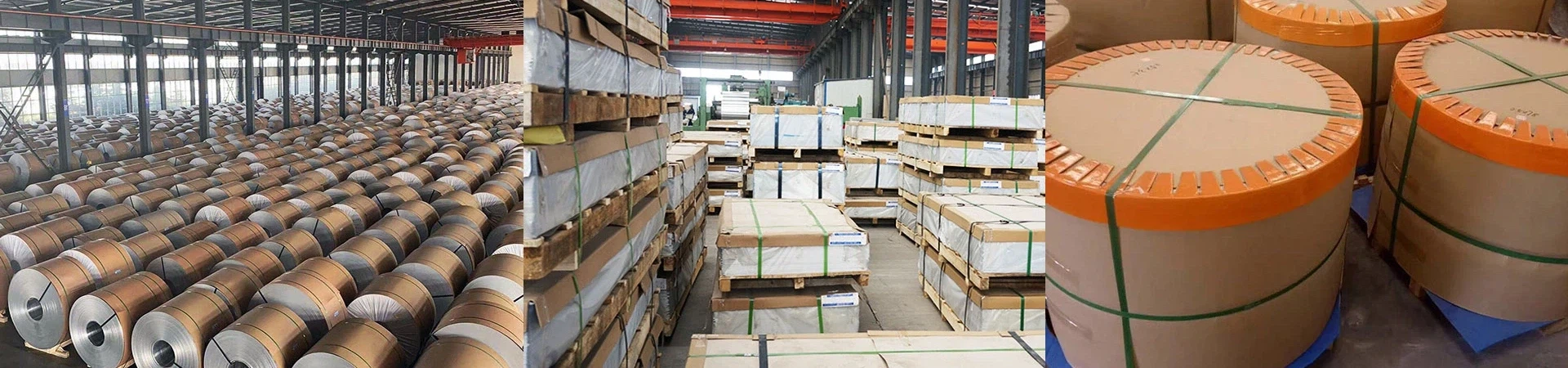
As a professional aluminum supplier, GNEE provides high-quality 6061 aluminum sheets, plates, tubes, bars, and custom extrusions to meet the needs of global industries. With reliable production capabilities and strict quality control, GNEE supports applications across aerospace, automotive, construction, marine, and industrial sectors.
Conclusion
6061 aluminum alloy is a highly versatile material that combines strength, corrosion resistance, weldability, and ease of fabrication. Its balanced chemical composition, excellent mechanical properties, and availability in multiple forms make it an essential material across numerous industries. Supported by custom extrusion capabilities and reliable supply from GNEE, 6061 aluminum continues to be a preferred choice for modern engineering and manufacturing applications.


