

6061 Aluminum Alloy: Properties, Mechanical Performance, and Applications
Introduction to 6061 Aluminum Alloy
Aluminum and its alloys play a vital role in almost every modern industrial sector due to their wide availability, low density, and adaptable performance characteristics. An alloy is formed by combining aluminum with one or more metallic elements to enhance specific material properties such as strength, corrosion resistance, conductivity, toughness, or a balanced combination of these attributes.
Aluminum alloys are generally classified according to the proportion of alloying elements they contain. Alloys with relatively low alloying content (typically below 4%) are known as wrought aluminum alloys, which are highly workable and easy to form. In contrast, alloys with higher alloying percentages-sometimes reaching 22%-are categorized as cast aluminum alloys, which tend to be more brittle and less ductile.
The Aluminum Association (AA Inc.) serves as the global authority on aluminum alloy classification and has introduced the widely adopted four-digit designation system for wrought aluminum alloys. This article focuses specifically on 6061 aluminum alloy, highlighting its physical properties, mechanical performance, corrosion resistance, and common applications that make it one of the most trusted aluminum grades worldwide.
Physical Properties of 6061 Aluminum Alloy
6061 Aluminum Alloy Classification and Composition
6061 aluminum belongs to the 6xxx series aluminum alloys, which are defined by magnesium (Mg) and silicon (Si) as the primary alloying elements. Within the AA designation system:
The second digit ("0") indicates standard impurity control based on commercial-grade aluminum.
The third and fourth digits ("61") uniquely identify the specific alloy within the 6xxx series.
The typical chemical composition of 6061 aluminum alloy includes:
Aluminum (Al): ~97.9%
Magnesium (Mg): ~1.0%
Silicon (Si): ~0.6%
Copper (Cu): ~0.28%
Chromium (Cr): ~0.2%
The density of 6061 aluminum alloy is approximately 2.7 g/cm³ (0.0975 lb/in³). Thanks to its balanced chemistry, 6061 aluminum is heat-treatable, easily fabricated into complex shapes, weldable, and naturally corrosion resistant-qualities that underpin its exceptional versatility.
Mechanical Properties of 6061-T6 Aluminum
Strength and Elastic Behavior of 6061-T6 Aluminum
The mechanical performance of 6061 aluminum varies with temper condition. Among these, 6061-T6 aluminum is the most widely used, particularly for plate, bar, and structural components. The T6 temper involves solution heat treatment followed by artificial aging to maximize strength.
Key elastic properties of 6061-T6 aluminum alloy include:
Modulus of Elasticity: 68.9 GPa (10,000 ksi), indicating stiffness and resistance to elastic deformation
Shear Modulus: 26 GPa (3,770 ksi), reflecting resistance to shear forces

Strength Characteristics of 6061-T6 Aluminum
Two critical strength values define the structural performance of 6061-T6 aluminum:
Yield Strength: approximately 276 MPa (40,000 psi), representing the maximum stress before permanent deformation
Ultimate Tensile Strength: about 310 MPa (45,000 psi), indicating the maximum stress prior to fracture
Yield strength is typically the primary design criterion for static loading conditions, while ultimate strength is essential for high-stress or safety-critical applications.
Additional mechanical characteristics include:
Shear Strength: ~207 MPa (30,000 psi), particularly relevant for shafts, fasteners, and torsional components
Fatigue Strength: ~96.5 MPa (14,000 psi), measured over 500 million load cycles below the yield limit, making 6061-T6 suitable for components subjected to repeated stress
Corrosion Resistance of 6061 Aluminum Alloy
Environmental Performance of 6061 Aluminum
When exposed to air or moisture, 6061 aluminum alloy naturally forms a thin, protective oxide layer that shields the underlying metal from corrosion. Under normal atmospheric or aqueous conditions, corrosion rates remain very low.
However, due to its copper content, 6061 aluminum exhibits slightly lower corrosion resistance compared with copper-free alloys such as 5052 aluminum. In certain environments-such as alkaline soils-localized corrosion or pitting may occur depending on exposure conditions.
That said, 6061 aluminum demonstrates excellent resistance to chemicals, including concentrated nitric acid, ammonia, and ammonium hydroxide. Furthermore, it readily accepts surface treatments such as anodizing, painting, or coating, which can significantly enhance corrosion protection even in aggressive environments.
Applications of 6061 Aluminum Alloy
Industrial Uses of 6061 Aluminum
Owing to its outstanding weldability, formability, strength, and corrosion resistance, 6061 aluminum alloy is one of the most widely used aluminum grades across both general-purpose and specialized industries. Its balanced mechanical properties enable reliable performance in demanding environments.
Common applications of 6061 aluminum alloy include:
Welded assemblies for structural frameworks
Marine frames and components used in shipbuilding and offshore structures
Aircraft and truck frames, where lightweight strength is critical
Chemical processing equipment exposed to corrosive media
Electronic components, including heat sinks and protective enclosures
Furniture and architectural elements, combining durability with aesthetics
Fasteners, such as bolts and screws requiring strength and corrosion resistance
Heat exchangers and heat sinks, benefiting from high thermal conductivity
This broad application range underscores the adaptability and industrial significance of 6061 aluminum.
Where to Source 6061 Aluminum Alloy
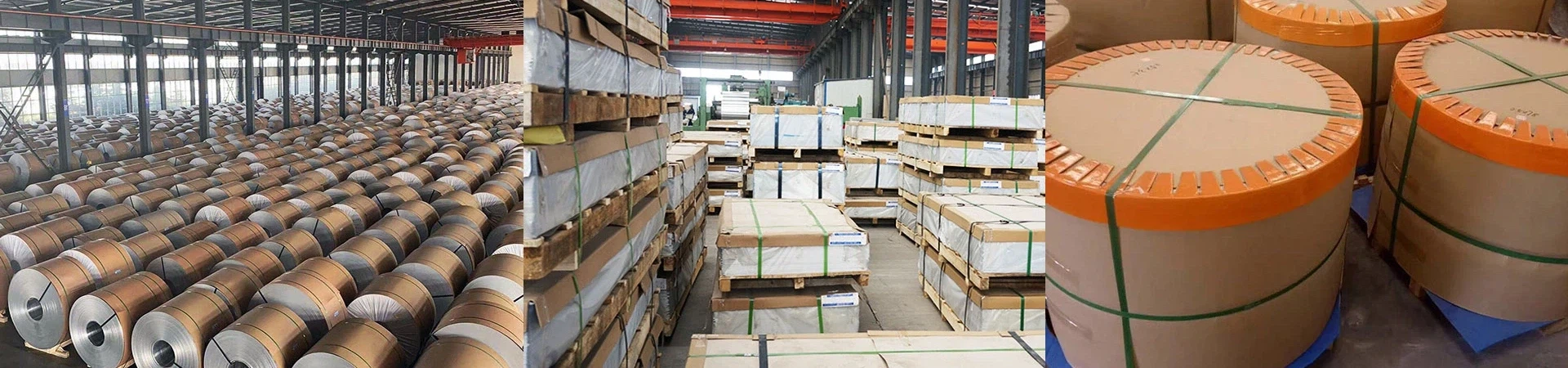
If you are seeking a reliable supplier of 6061 aluminum products, GNEE, a Chinese aluminum supplier, provides 6061 aluminum plates, bars, sheets, and custom-machined components to meet diverse industrial requirements.
Summary of 6061 Aluminum Alloy
This article has provided a comprehensive overview of 6061 aluminum alloy, covering its classification, physical and mechanical properties, corrosion behavior, and widespread applications. With its excellent balance of strength, formability, corrosion resistance, and cost efficiency, 6061 aluminum remains a cornerstone material across construction, transportation, electronics, marine, and industrial sectors.
For high-quality 6061 aluminum products and tailored solutions, GNEE is a dependable source supporting global manufacturing needs.


