A perforated aluminum sunshade panel is a metal screen placed on a facade, balcony, canopy edge or louver zone to manage sunlight while keeping the building visually open. The perforations also support airflow, daylight control and architectural rhythm. It should be specified as a finished architectural system, not only as a decorative sheet.
Choosing a sunshade panel means defining the installed element first - facade position, sun direction, required shade, airflow, visibility, panel size, fixing method and finish - and then confirming alloy, thickness, hole pattern, open area, edge margins and packing.
What Is a Perforated Aluminum Sunshade Panel?
It is an aluminum sheet, usually 3003-H24 or 5052-H32, punched with a regular or custom pattern and used as a shading screen rather than a solid wall. The sheet face, frame, returns, fixing points and finish work together as one module. The goal is to cut direct solar gain and glare while preserving a sense of openness and natural light.
Available Materials for Perforated Sunshade Panels
We can supply perforated sunshade panels in four metal materials: aluminum, carbon steel, stainless steel, and copper. Each material offers different properties in terms of weight, strength, corrosion resistance, appearance, and maintenance requirements.
The material can be selected according to the building environment, architectural design, performance requirements, and project budget.
1. Aluminum Perforated Sunshade Panels
Lightweight and versatile, aluminum is suitable for architectural facades, window screens, and exterior shading applications. It offers good atmospheric corrosion resistance and supports various surface finishes, including anodizing and coating, subject to specification.
2. Carbon Steel Perforated Sunshade Panels
Carbon steel provides high strength and rigidity for applications where structural stiffness is an important consideration. Protective treatments, such as galvanizing or coating, should be specified according to the exposure environment.
3. Stainless Steel Perforated Sunshade Panels
Stainless steel offers good corrosion resistance and a durable metallic appearance. Different grades, such as 304 and 316, can be considered according to the installation environment and corrosion requirements.
4. Copper Perforated Sunshade Panels
Copper is suitable for architectural projects requiring a distinctive metallic appearance. Its surface develops natural oxidation over time, creating characteristic color changes that can be part of the architectural design.


Need help selecting a material?
Share your project location, application, preferred material, panel dimensions, thickness, and perforation pattern.
We can help you identify a suitable material option for your sunshade panel requirements.
|
Material |
Main Advantages |
Key Considerations |
|---|---|---|
|
Aluminum |
Lightweight, versatile, surface finish options |
Panel rigidity, thickness, wind load |
|
Carbon Steel |
High strength and rigidity |
Corrosion protection, maintenance |
|
Stainless Steel |
Corrosion resistance, metallic appearance |
Grade selection, material cost |
|
Copper |
Distinctive appearance, natural patina |
Cost, oxidation, surface changes |
Why Choose Aluminum for Sunshades?
- Light weight: Lower density reduces the load on the facade bracket and support, important for large vertical screens.
- Rigidity at low weight: Proper thickness and folded returns give stiffness without a heavy frame.
- Corrosion resistance: Aluminum suits exterior exposure, including coastal and humid climates, with the right finish.
- Finish durability: PVDF, powder coating or anodizing keep the visible face stable over time.
Typical Sunshade Applications
Facade Sunshade Bands
Horizontal or vertical panel runs across a building face reduce direct sunlight while keeping a consistent exterior pattern. The band position follows the sun path for the site.
Balcony and Privacy Screens
Perforated aluminum balances privacy, airflow and daylight where occupants still want a lighter visual screen than a solid balustrade infill. The open area is tuned for the view and the screening need.
Canopy and Soffit Shading
On canopy undersides and soffits, perforated panels shade the space below and allow ventilation. Fixing, wind uplift, drainage and cleaning access are reviewed together with the panel.
Equipment and Parking Ventilation Screens
Perforated panels combine screening with airflow when the open area and support spacing are clearly defined, used around plant decks, parking structures and service areas.

Open Area and Hole Pattern
Open area determines how much light and air pass through. A higher open area gives a lighter appearance and more airflow; a lower open area gives stronger screening and more shade. For sunshades, the opening direction and viewing angle also matter: a pattern that looks open up close can read more solid from the street, especially when panels are layered or installed at an angle.
Round holes: A balanced option for many facade panels because the pattern reads cleanly from different viewing distances.
Slotted holes: Useful when the design needs stronger directional expression, drainage behavior or elongated airflow paths.
Custom layouts: Branding or gradient effects are possible, but margins, tooling feasibility and repeat accuracy must be reviewed.

Thickness, Span and Wind Exposure
Thickness is selected with panel size and support spacing. A thin sheet may suit a small framed module, while a larger facade screen may need thicker material, folded returns or additional support. Wind exposure should be reviewed by the project team because perforation changes both panel weight and the load path. The supplier can review fabrication feasibility, but the buyer confirms the structural requirements for the local project.
Finish, Color and Visible Edge Quality
Architectural aluminum panels are judged from a distance and up close. Color, gloss, coating route and edge appearance should be agreed before production, because perforation and fabrication expose many visible details. PVDF and powder coating are common for exterior sunshades; anodizing gives a metallic look. Coating after perforation can affect hole-edge coverage, so hole size and film thickness are balanced.
What Buyers Should Specify for Sunshade Panels
| Specification | What to state | Why it matters |
|---|---|---|
| Alloy and temper | e.g. 3003-H24, 5052-H32 | Affects bending, rigidity, corrosion and finish |
| Thickness | Actual sheet thickness and tolerance | Controls stiffness, weight and return feasibility |
| Hole pattern | Round, slotted, square or custom, with pitch | Changes shade, airflow, privacy and visual rhythm |
| Open area | Target percentage or design range | Balances light, visibility, ventilation and remaining strength |
| Panel format | Finished size, returns, margins, fixing zones | Prevents clashes between holes, folds, fasteners and edges |
| Finish and packing | Coating, protection film, labels, pallets | Protects the visible face during fabrication, shipping and installation |
Commercial Terms for Custom Perforated Metal Sheet Orders
MOQ: Flexible - both small trial orders and large-volume orders are accepted; larger orders are welcome.
Lead time: Typically 15–30 days, depending on material, processing route and order volume.
Mill test certificate: EN 10204 3.1 MTC available.
Pricing basis: Benchmarked to SMM (Shanghai Metals Market) with the agreed material and processing scope.
Response: Project review and quotation reply within 24 hours of receiving a complete drawing and specification.
Incoterms & payment: FOB / CIF available; T/T and L/C accepted.
About GNEE
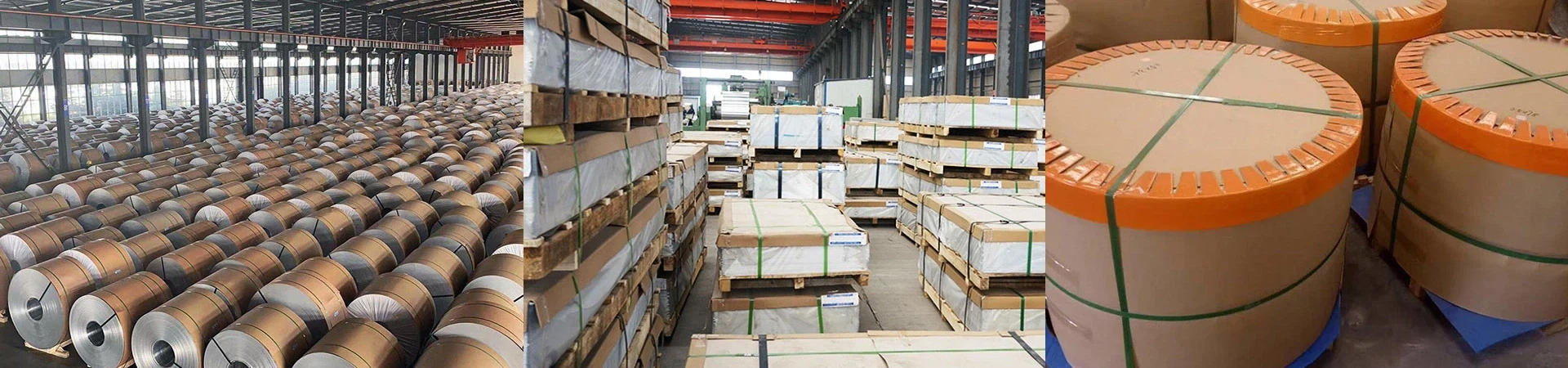
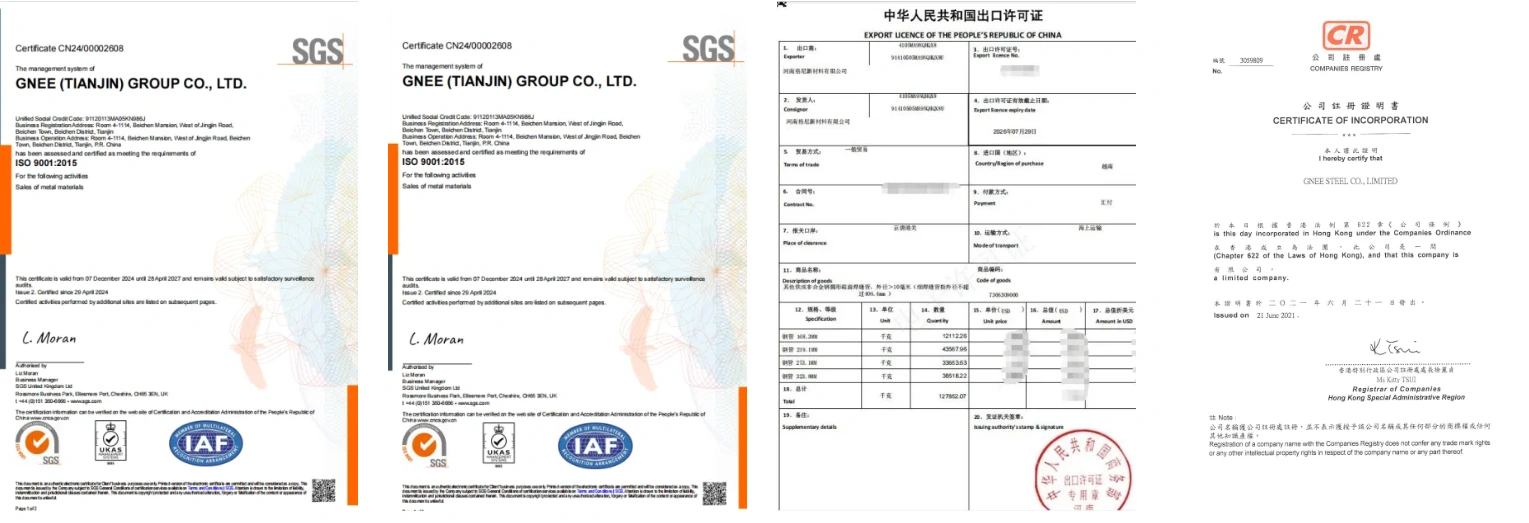
GNEE has supplied aluminum products to overseas buyers since 2008, with exports to 100+ countries and regions. For perforated aluminum sheets, GNEE provides material supply and custom processing to drawings, with EN 10204 3.1 mill test certificates and pricing benchmarked to SMM. MOQ is flexible for both trial and volume orders, with typical lead time of 15–30 days and quotation reply within 24 hours of a complete inquiry.
Request a Quote for Sunshade Panels
Planning a sunshade and need perforated aluminum panels? Share your facade position, sun direction, required shade, hole pattern, open area, finished panel size and finish. We can review your requirements and confirm the suitable supply and processing route.
Request a Sunshade Panel Quotation - share hole pattern, open area, panel size and finish
FAQ
What open area should I choose for a sunshade panel?
There is no single correct value. Higher open area gives more light and airflow but less shade and screening; lower open area gives stronger screening and more shade. The target follows the facade position, sun direction and whether the panel is mainly for solar shading, privacy or decoration, and is confirmed with the project's design team.
Which aluminum alloy is used for sunshade panels?
3003-H24 and 5052-H32 are common for architectural sunshade panels because they balance formability, stiffness and corrosion resistance; 6061-T6 is considered where higher strength is needed. The choice depends on the environment, finish route and structural demand rather than one universal alloy.
Do perforated sunshade panels block the view?
They reduce but rarely fully block the view. The perceived openness changes with open area and viewing angle - the same pattern can look open up close and more solid from a distance or when layered. The open area and pattern are tuned for the balance the project needs.
Can sunshade panels be used on balconies for privacy?
Yes. Perforated aluminum is widely used as balcony infill or privacy screens because it balances privacy, airflow and daylight as an alternative to a solid panel. The open area is chosen for the screening level and the view the occupant wants to keep.
How does wind affect perforated sunshade panels?
Perforation changes both the panel weight and the wind load path. Panel thickness, support spacing, folded returns and the fixing method should be reviewed with the project's structural requirements; the supplier reviews fabrication feasibility against the drawing while the buyer confirms the local wind exposure.
What finish is recommended for exterior sunshade panels?
PVDF (fluorocarbon) or powder coating is common for exterior sunshades because both protect the visible face through weather cycles; anodizing gives a metallic look. Color, gloss and edge appearance are agreed before production because the perforated and folded edges are highly visible.
Are custom hole patterns available for branding?
Yes, custom perforation can support logos, gradients or decorative layouts. Margins, tooling feasibility and repeat accuracy must be reviewed, and the pattern should not compromise the panel's stiffness or fixings. The design is confirmed during drawing review.
Does GNEE supply the full sunshade system?
NO, GNEE supplies the perforated aluminum panel material and custom processing to drawing - cutting, perforation, folding and finishing. The frame, brackets and structural calculation are handled by the project's designer or installer; GNEE reviews fabrication feasibility and the finished panel scope against the drawing.