


The-Differences-Between-Aluminum-3003-and-Aluminum-6061.pdf
As you are aware, aluminum is one of the most sought-after elements in the world due to its exceptional qualities and properties. Its corrosion resistance and lightweight characteristics make it ideal for a variety of home and industrial uses. Many of you are unaware that, like steel, aluminum comes in a variety of grades. and each grade has its own distinct characteristics and applications. In this section, we will look at two key differences between 3003 and 6061 aluminum. This article will provide a detailed comparison of their qualities, as well as how to find a reliable supplier for these items for any project.
What Is Aluminum Alloy 3003?
3003 aluminum is the most widely used aluminum alloy. This alloy is made by combining manganese, which results in an increase in strength. Aluminum alloy 3003 is also resistant to corrosion, easy to work with, and weldable.
Aluminum's formability is one of its most valuable features, and the aluminum 3003 alloy can be bent more than others. This alloy can bend because of its strength, workability, and elongation.
Because this alloy is so versatile, it is difficult to mention every application for it. It is widely utilized in the food and chemical industries for storage containers, pipes, cooking utensils, and chemical handling equipment. It is also utilized in vehicle radiators, fuel tanks, roofing, and siding.
3003 Al alloys contain additional elements. Examples include manganese and copper. Aluminum is in high demand for a variety of applications due to its lightweight and corrosion resistance. Furthermore, 3003 aluminum is nonmagnetic and has great conductivity. Its electrical and thermal conductivity make it the finest choice for industrial applications.
3003 Aluminum has extraordinary qualities. These include rust-free properties, weldability, and strength. It is regarded as a versatile alloy. Thus, it has a wide range of applications. The machinability of 3003 aluminum is extremely high. The chemical sector frequently employs tools and equipment with superior 3003 aluminum characteristics. Utensils and containers are commonly used in the food preparation industry. Aside from these, its primary applications include pressure vessels, tanks, sheet metal fabrications, cabinets, and hardware.
What Is Aluminum Alloy 6061?
Aluminum 6061 is composed primarily of magnesium and silicon, which are added to the aluminum to form the alloy. It is likewise a general-purpose alloy and shares commonalities with it. 6061 aluminum offers good strength and corrosion resistance, and it may be welded like 3003.
Because 6061 aluminum has a higher strength, it is often employed in structural applications. This alloy is the superior machining alloy due to its strength when welded with nuts and screws. 6061 aluminum experiences the least stress at the place where components are linked, making it a more durable structural material than 3003 aluminum.
6061 aluminum is also a superior choice for structural elements due to higher yield strength. This is the amount of stress required to induce materials to distort, resulting in structural instability in a building. Aluminum 6061 is more resistant than aluminum 3003, making it a better choice for applications requiring high-strength materials.
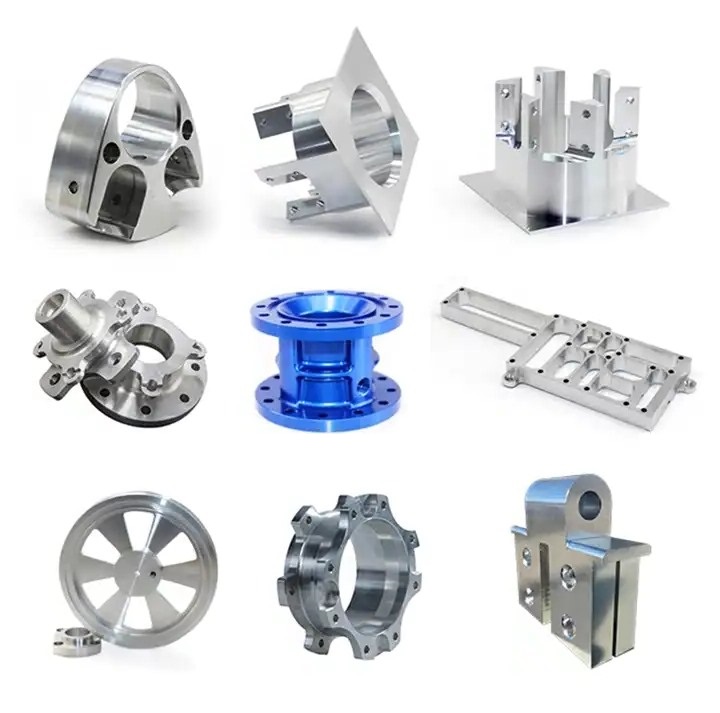
6061 aluminum offers a wide range of applications because it is one of the most regularly used alloys. This alloy's principal applications include chemical equipment, electrical parts, furniture, and welded assembly. It is utilized for structural materials in items that must be welded together.
Sheet metal has a wide range of possibilities for your project because it generates over $30 billion in revenue in the United States. 3003 and 6001 aluminum are two of the most preferred alloy options because of their capacity to absorb any advantages that metal lacks on its own. When selecting materials for your project, it is critical to understand the differences between these two alloys.


