

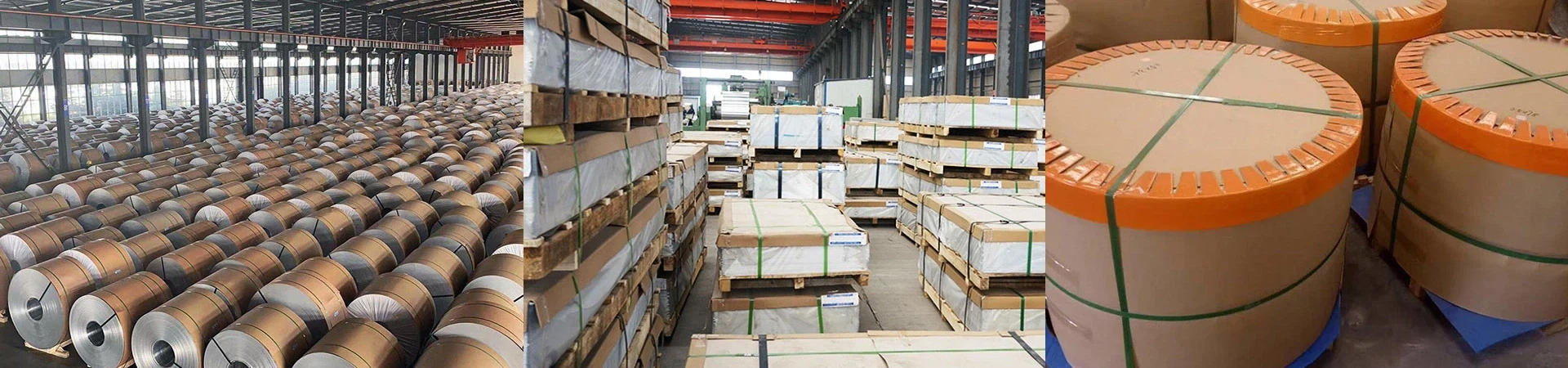
When engineers and procurement managers look for a reliable, general-purpose metal, 3003 H14 aluminum sheet is usually at the top of the list. It is an Aluminum-Manganese (Al-Mn) alloy. Because it is non-heat-treatable, it gets its strength from cold working. The "H14" temper means it is half-hard, offering the perfect balance between structural strength and easy bending.
Because it is highly rust-resistant, easy to weld, and more economical than 5000-series marine aluminum, 3003 H14 is heavily used across construction, transportation, and industrial manufacturing. In this guide, we will break down exactly where and why this material is used, helping you make the right purchasing decision for your next project.
Key Properties of 3003 H14 Aluminum sheet
| Property | Actual Performance |
| Corrosion Resistance | Excellent. Naturally forms a protective oxide layer against rain and humidity. |
| Formability | Very Good. Can be stamped, bent 90 degrees, and deep-drawn without cracking. |
| Strength | Moderate. About 20% stronger than 1100 pure aluminum, but weaker than 5052. |
| Weldability | Good. Easily joined using standard TIG and MIG welding methods. |
| Weight | Lightweight. Only one-third the weight of standard steel. |
Because it offers this well-rounded performance without a premium price tag, 3003 H14 has become the standard material for everyday industrial fabrication.
Main Applications of 3003 H14 Aluminum
1. Construction and Architectural Panels
3003 H14 is a staple material in the building industry. It is highly resistant to weathering, which means it will not rust like steel when exposed to rain or snow.
Typical Uses: Corrugated metal roofing sheets, exterior wall cladding, curtain walls, and suspended ceiling panels.
Why it is used: It is lightweight, which reduces the structural load on the building. It is also easy to bend into custom shapes for modern architectural designs and holds painted coatings (like PVDF) very well for long-term outdoor use.

2. Aluminum Tread Plate (Anti-Slip Flooring)
Many factories process 3003 H14 into diamond or 5-bar aluminum tread plates (also known as checker plates).
Typical Uses: Factory industrial flooring, stair treads, warehouse walkways, and truck bed liners.
Why it is used: The raised patterns provide excellent anti-slip friction to protect workers. The 3003 alloy ensures the floor will not rust even if it is washed with water or exposed to industrial chemicals daily.

3. HVAC and Heat Transfer Systems
Heating, ventilation, and air conditioning (HVAC) systems require materials that manage temperature well while resisting moisture.
Typical Uses: Air conditioning ductwork, heat exchanger fins, radiators, and cooling panels.
Why it is used: Aluminum is an excellent conductor of heat. Furthermore, air conditioning systems produce a lot of condensation (water). 3003 H14 does not rust when constantly exposed to this moisture.
4. Transportation and Auto Parts
Weight reduction is the biggest goal in modern transportation. Replacing steel parts with 3003 H14 aluminum saves fuel and increases cargo capacity.
Typical Uses: Trailer side panels, truck cabin housings, standard fuel tanks, and bus interior panels.
Why it is used: It reduces the vehicle's total weight while providing enough half-hard rigidity to withstand daily road vibrations without cracking.

Getting a stable supply of raw materials is critical to keeping your costs low. GNEE supplies premium 3003 H14 aluminum sheets and coils directly from our factory in China. Send us your required sizes and order volume today, and we will provide a competitive factory-direct quote within 24 hours.
5. Chemical and Food Processing Equipment
Materials used in food and chemical storage must be non-toxic and easy to clean.
Typical Uses: Food processing tables, commercial kitchen cabinets, ice cube trays, and chemical storage tanks.
Why it is used: 3003 H14 is completely non-toxic and food-safe. Its smooth surface makes it easy to sanitize, and it resists corrosion from mild acids and cleaning chemicals.
6. Electrical and Industrial Equipment
Everyday machinery requires protective covers and electrical housings.
Typical Uses: Electrical control cabinets, machine safety guards, and general equipment enclosures.
Why it is used: It is very easy to cut, punch, and machine. This reduces tool wear in the factory and speeds up the manufacturing process.
Application Material Selection Guide of 3003 H14 Aluminum Alloy sheet
If you are a buyer, ordering the wrong thickness or surface finish can ruin your production run. Use this standard industry guide to specify the right 3003 H14 material for your specific product:
| End Product | Recommended Thickness | Surface Treatment | Engineering Reason |
| Metal Roofing | 0.5 mm – 1.2 mm | Color Coated (PE/PVDF) | Provides UV protection and weather resistance. |
| Anti-Slip Flooring | 1.5 mm – 6.0 mm | Embossed (Diamond/5-Bar) | Gives necessary friction and supports heavy foot traffic. |
| HVAC Ducting | 0.3 mm – 1.0 mm | Mill Finish (Bare) | Maximizes thermal conductivity; cheap to produce. |
| Storage Tanks | 2.0 mm – 6.0 mm | Mill Finish | Thicker material prevents leaks and holds fluid pressure. |
| Decorative Panels | 0.8 mm – 2.0 mm | Anodized | Enhances visual aesthetics and hardens the surface. |
3003 H14 vs Other Aluminum Alloys
Buyers often ask if they should upgrade to 5052 or downgrade to 1100. Here is the simple procurement logic:
| Alloy Grade | Best Use Case | Main Advantage | Main Limitation |
| 1100 | Soft bending, chemical tanks | Maximum formability | Very low structural strength |
| 3003 H14 | General industrial, roofing | Best balance of cost & performance | Not for high load-bearing parts |
| 5052 H32 | Marine structures, heavy panels | High strength, saltwater proof | Higher raw material cost |
Procurement Insight: If your project does not face highly corrosive seawater and does not carry extreme heavy loads, 3003 H14 is your most cost-effective choice. Do not overpay for 5052 if you only need to build standard ventilation covers or indoor machine housings.
Available 3003 aluminum Sheet Forms from GNEE
- Aluminum Flat Sheets and Heavy Plates: For laser cutting and panel fabrication.
- Aluminum Coils and Strips: For continuous roll-forming machines (like roofing lines).
- Aluminum Tread Plates: Ready-made anti-slip patterns for immediate flooring installation.
- Aluminum Perforated Sheets: CNC punched with custom hole sizes for ventilation or acoustic use.
- Color Coated Aluminum Sheets: Pre-painted with PE or PVDF, ready for architectural installation.

GNEE provides custom cut-to-length 3003 H14 aluminum sheets with strict thickness tolerances. Tell our technical team your exact requirements, and let us help you lower your procurement risks.
Email GNEE Sales Now for a Free Sample and Price List
Packaging and Export Standards
- Palletizing: Heavy-duty, fumigated wooden pallets that withstand forklift handling.
- Moisture Protection: Wrapped tightly in waterproof kraft paper and sealed with plastic film to prevent white rust from ocean humidity.
- Securing: Strapped with high-tension steel bands and edge protectors to prevent sheet movement in the container.
- Documentation: Full traceability with Mill Test Certificates (MTC), Certificates of Origin (CO), and support for third-party inspections (like SGS or BV).

Why Choose GNEE as Your Supplier?
- 18+ Years of Experience: We understand international metal standards and trade procedures.
- Factory-Direct Pricing: We cut out the trading middlemen to give you the most competitive price per ton.
- Stable Quality Control: We guarantee strict thickness tolerances and perfectly flat surfaces, saving you time during your fabrication process.
- Fast Delivery: Large factory capacity means short lead times and reliable global shipping.


