

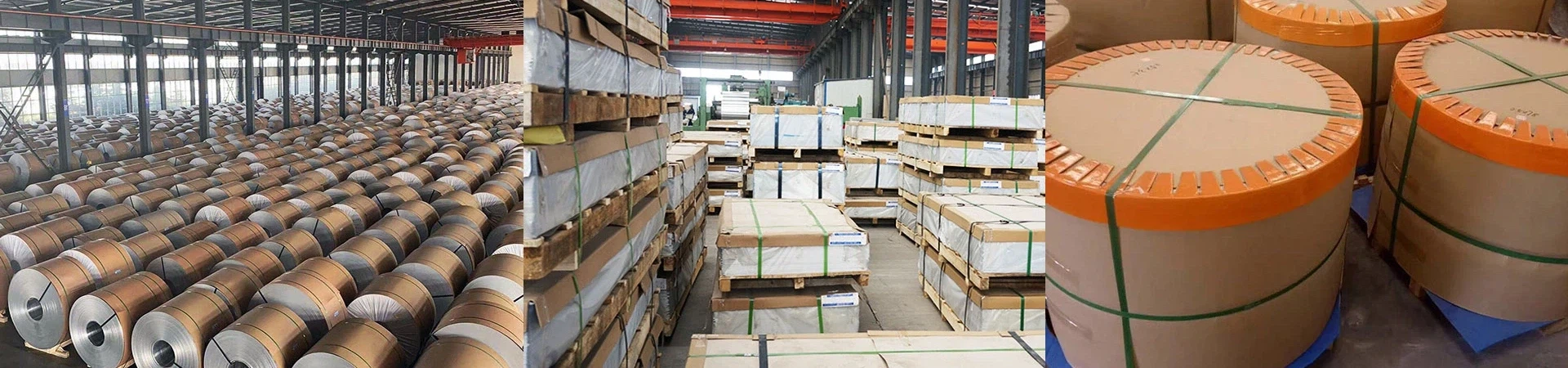
Application of aluminum alloy automobile sheets in new energy automobile industry
From January to November 2021, my country's new energy vehicle sales reached 2.99 million units, a year-on-year increase of 1.7 times.
The rapid development of the new energy automobile industry is closely related to the development of batteries, automation control, new materials and other technologies. In the absence of major breakthroughs in battery technology, body lightweighting is still an important research topic in the new energy automobile industry.

Aluminum alloy materials have the advantages of high specific strength, corrosion resistance, and high recovery rate.
Aluminum alloy castings have been used in engine chassis systems for a hundred years, but the development of aluminum alloy automotive panels used in body panels has been relatively slow. Before 2010, they were only widely used in some high-end models (such as Audi A8), especially As a leader in new energy vehicles, Tesla is the first to apply all-aluminum bodywork and has achieved effective carbon points management.
The commissioning of the super factory built by Tesla in Shanghai has also led to the rapid development of the domestic new energy vehicle industry. The sales of new energy vehicles with all-aluminum bodies, represented by NIO, were once eye-catching.
Aluminum alloy automotive sheet production technology and equipment bottlenecks
The main alloy grades of 6xxx series aluminum alloy automotive panels include 6016, 6014, 6022, etc., which are the main aluminum alloys currently used in vehicle body exterior panels. Automotive panels have high requirements on comprehensive performance, surface quality and quality stability.

The current mainstream aluminum alloy automotive sheet production process is relatively complex, including several major processes: casting, soaking, machining, hot rolling, cold rolling, and continuous heat treatment.
6xxx series aluminum alloy automotive panels need to have good stamping forming and flanging properties, stability against natural aging, good paint strength increment, and no flat lines on the surface after stamping.
To meet the special performance requirements of automotive sheets for automobile OEMs, not only cold-rolled billets with qualified quality are needed, but also specialized heat treatment technology and production equipment. The production capacity of aluminum alloy automotive sheets is mainly limited by this heat treatment technology and equipment.


