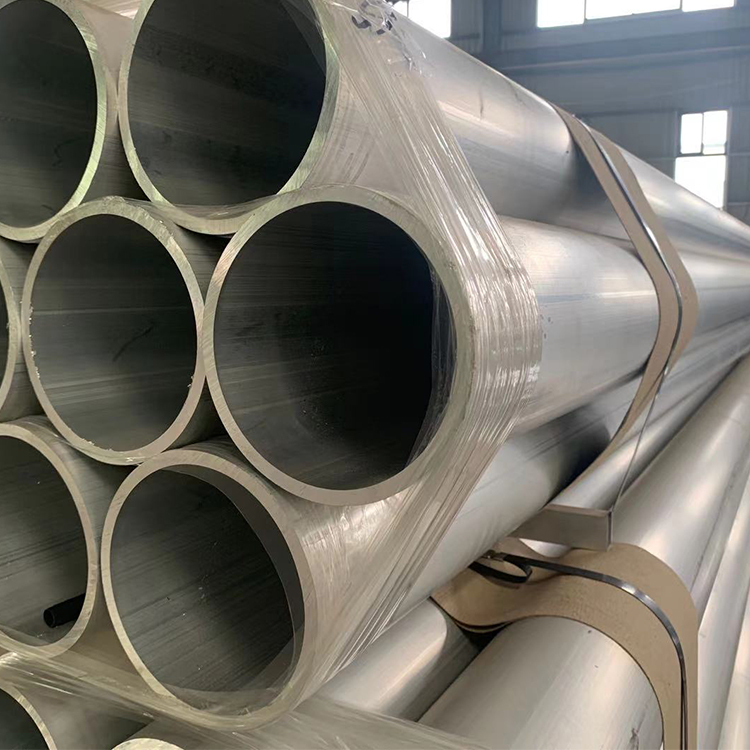
In a bid to promote sustainability and address the growing concerns surrounding plastic waste, water distribution systems worldwide are undergoing a transformative change as aluminum pipes emerge as a viable alternative to traditional plastic pipes. This shift marks a significant step forward in ensuring a more environmentally friendly and efficient water infrastructure.
Plastic pipes have long been a popular choice for water distribution systems due to their affordability and ease of installation. However, the detrimental environmental impact of plastic waste, particularly in oceans and landfills, has prompted a search for sustainable alternatives. Aluminum pipes have emerged as a promising solution, offering a range of benefits that go beyond environmental considerations.
One of the key advantages of aluminum pipes is their exceptional durability. Unlike plastic, which can degrade over time and become brittle, aluminum pipes have a significantly longer lifespan, reducing the need for frequent replacements and minimizing waste generation. This longevity contributes to cost savings for water management authorities and reduces the overall environmental impact associated with pipe maintenance and disposal.
Furthermore, aluminum pipes are highly resistant to corrosion, ensuring the quality and safety of the distributed water. Plastic pipes, on the other hand, can be prone to chemical leaching and degradation, which can compromise the water supply. The use of aluminum pipes helps to maintain the integrity of the water distribution system, ensuring clean and reliable water access for communities.
Another advantage of aluminum pipes is their recyclability. Aluminum is one of the most recycled materials in the world, with a high recycling rate and minimal loss in quality during the recycling process. By replacing plastic pipes with aluminum pipes, water distribution systems contribute to the circular economy by facilitating the reuse of valuable resources and reducing reliance on virgin materials.
In addition to their sustainability benefits, aluminum pipes offer improved performance. They have excellent heat conductivity, meaning that water can be efficiently heated or cooled as it passes through the pipes, resulting in energy savings. Aluminum pipes also have a smooth interior surface, reducing friction and minimizing pressure losses, which translates to enhanced water flow efficiency and reduced pumping requirements.
As water management authorities prioritize sustainable practices and strive to meet environmental targets, the adoption of aluminum pipes in water distribution systems is gaining traction worldwide. This shift not only addresses the urgent need to reduce plastic waste but also offers a range of performance and durability benefits. By embracing aluminum pipes, communities can ensure a reliable and sustainable water supply while contributing to a greener and more responsible future.
In conclusion, the replacement of plastic pipes with aluminum pipes in water distribution systems represents a significant step towards achieving sustainable and efficient water infrastructure. The durability, corrosion resistance, recyclability, and performance advantages of aluminum pipes make them an ideal choice for ensuring the longevity and reliability of water distribution networks. As this sustainable solution continues to gain momentum, we can look forward to cleaner water, reduced plastic waste, and a more environmentally conscious approach to water management worldwide.