


Aluminum foil is a thin metal foil that contains approximately 92-99% aluminum. Its thickness typically ranges from 0.0002 to 0.006 inches. Their width and strength vary greatly depending on their intended application. It is a durable, non-toxic, oil-proof and chemical-resistant material.
Aluminum foil has many well-known uses. So how did people discover the use of aluminum foil? Why is it so popular? Is it harmful to human body? These questions will be answered one by one.
The history of aluminum foil
In the market, people have different views on the application history of aluminum foil, but most support the use of aluminum foil since the early 20th century.
The origins of aluminum foil can be traced back to the early 1900s. In 1913, candy was first packaged in aluminum foil. Today, candies are still packaged in aluminum foil. Over the past 100 years, the use of aluminum foil has grown almost endlessly. From Christmas tree decorations to spacecraft insulation, from TV dinners to pharmacies – aluminum foil has improved our products and our lives in many ways.

Aluminum foil production
Aluminum is one of the most abundant elements: after oxygen and silicon, it is the most abundant element found on the Earth's surface, making up more than 8 percent of the planet's crust, 10 miles away, and found in nearly every common rock. However, aluminum does not exist as a pure metal, but as a combination of hydrated alumina (a mixture of water and aluminum oxide) with silica, iron oxide, and titanium dioxide. Such a large amount of aluminum materials has laid a certain foundation for the manufacture and application of aluminum foil.
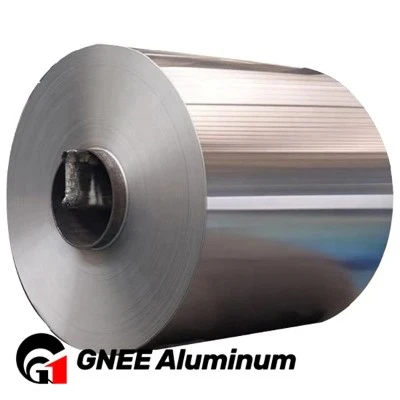
Aluminum foil is produced by rolling an aluminum plate cast from molten aluminum in a rolling mill to the required thickness. To maintain a constant thickness, technicians monitor mill sensors to ensure the pressure on the slab is correct. The sensor tells the technician if the pressure is too much or not enough, and the technician can then adjust the roller to apply more or less pressure. It is then rolled into coils and sent to the cold rolling mill.
To avoid cracking due to thinness, the foil is doubled in a cold rolling mill and rolled to the required thickness. Aluminum foil completely blocks light, oxygen, moisture and bacteria. Therefore, foil is widely used in food and pharmaceutical packaging. It is also used to create sterile packaging to store perishable items without refrigeration.


