


What Is 5083 H116 Aluminum?
5083 H116 aluminum is a marine-grade aluminum alloy known for its excellent corrosion resistance in seawater, high strength, and superior weldability. It is widely used in shipbuilding, offshore structures, and LNG tanks where long-term durability is required. Compared with other aluminum alloys, 5083 H116 offers a unique balance of mechanical strength and anti-corrosion performance, making it one of the most preferred materials in harsh marine environments.
From a metallurgical perspective, 5083 belongs to the 5xxx series of aluminum alloys, which use magnesium as the primary alloying element. The "H116" designation refers to a specific temper. It means the aluminum has been strain-hardened and carefully stabilized to meet specific limits for exfoliation and intergranular corrosion resistance.
This stabilization process is critical, as it ensures the metal will not become brittle or corrode from the inside out when exposed to salty, humid, and rough marine conditions for decades. It is typically manufactured to meet strict international standards, including ASTM B928, which specifically covers high-magnesium aluminum alloys for marine service.
Chemical Composition of 5083 H116 Aluminum
The performance of 5083 H116 comes strictly from its chemical makeup. The high magnesium content provides strength, while trace amounts of manganese and chromium refine the grain structure to prevent cracking.
Here is the standard chemical composition table for 5083 aluminum:
| Element | Content (%) | Function in Alloy |
| Magnesium (Mg) | 4.0 – 4.9 | Core element for strength and marine corrosion resistance. |
| Manganese (Mn) | 0.4 – 1.0 | Enhances tensile strength and improves weldability. |
| Chromium (Cr) | 0.05 – 0.25 | Helps resist stress corrosion cracking. |
| Silicon + Iron (Si + Fe) | ≤ 0.4 | Kept low to prevent brittleness during welding. |
| Zinc (Zn) | ≤ 0.25 | Limited to maintain anti-corrosion properties. |
| Titanium (Ti) | ≤ 0.15 | Acts as a grain refiner during casting. |
| Aluminum (Al) | Remainder | Base material. |
Mechanical Properties of 5083 H116
Engineers choose 5083 H116 because it retains its strength even after welding, unlike some 6xxx series alloys that lose up to 50% of their strength in the heat-affected zone.
| Property | Value |
| Tensile Strength (Ultimate) | ≈ 315 MPa (46,000 psi) |
| Yield Strength | ≈ 215 MPa (31,000 psi) |
| Elongation | ≥ 12% |
| Hardness (Brinell) | ≈ 75 HB |
| Density | 2.66 g/cm³ |
Need customized thicknesses for your boat building project? Contact us for a quick material assessment and availability check.
Why Choose 5083 H116 for Marine Applications?
Using standard commercial aluminum in a marine environment is a recipe for disaster. 5083 H116 is specifically engineered to solve the common problems faced by shipbuilders and marine engineers.
- Excellent seawater corrosion resistance: It forms a dense oxide layer instantly when exposed to air or water, protecting the inner metal from saltwater degradation. You often do not even need to paint it.
- Immunity to Intergranular Corrosion: Regular high-magnesium alloys can suffer from intergranular corrosion (corrosion along the grain boundaries) when exposed to high temperatures and saltwater. The H116 temper process completely eliminates this risk.
- High strength-to-weight ratio: It is roughly one-third the weight of steel but offers enough structural integrity for heavy-duty ship hulls, increasing vessel speed and fuel efficiency.
- Outstanding weldability: It welds beautifully using standard TIG or MIG processes. It does not require post-weld heat treatment to recover its strength.
- Certified for shipbuilding standards: True marine-grade 5083 H116 passes strict classification society tests, including ABS (American Bureau of Shipping), DNV (Det Norske Veritas), LR (Lloyd's Register), and BV (Bureau Veritas).
- Excellent low-temperature performance: Unlike steel, which becomes brittle at sub-zero temperatures, 5083 aluminum actually increases in strength without losing toughness, making it perfect for cryogenic use.


Applications of 5083 H116 Aluminum
Because of the properties listed above, this material is heavy-duty and strictly functional. Its primary applications include:
- Ship Hulls and Decks: Used for workboats, patrol vessels, catamarans, luxury yachts, and ferries. The plates are used for the main structural hull, bulkheads, and upper deck structures.
- Offshore Platforms: Used in oil rigs and offshore wind turbine platforms where continuous salt spray is present.
- LNG Storage Tanks: Because 5083 H116 handles cryogenic temperatures (down to -196°C) perfectly, it is heavily used to construct liquefied natural gas storage and transport tanks.
- Marine Transportation Equipment: Including shipping containers and heavy-duty trailers exposed to coastal environments.
- Pressure Vessels: Used in chemical processing plants where harsh chemicals combined with moisture would destroy standard metals.
GNEE Supply Capability for 5083 H116 Aluminum
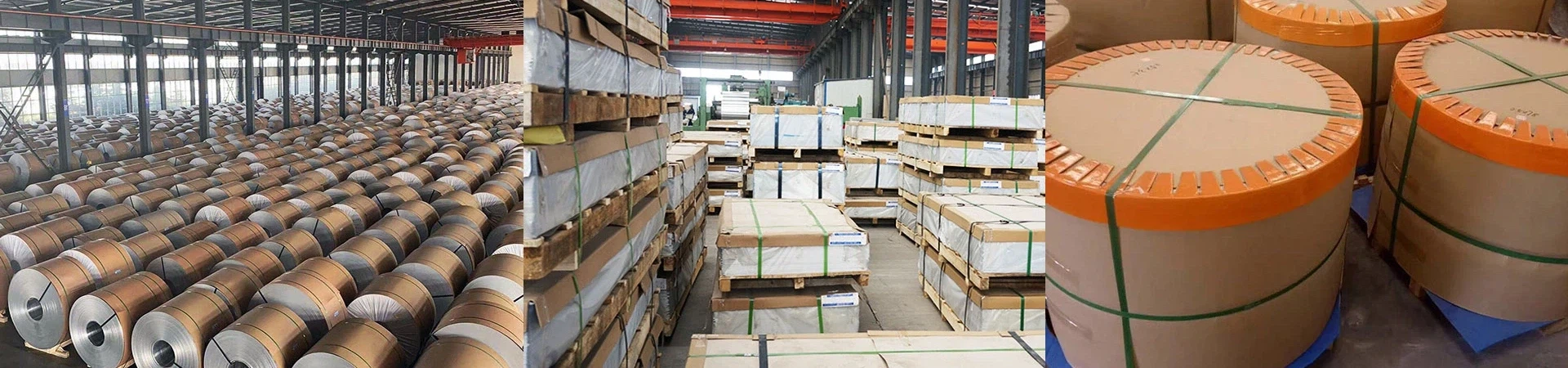
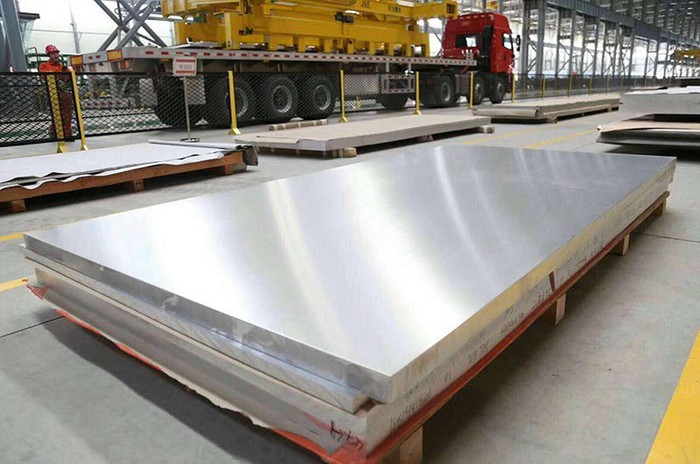
Sourcing reliable marine-grade aluminum requires a partner with strict quality control and stable output. As a professional aluminum manufacturer, GNEE, a Chinese supplier, provides a wide range of 5083 H116 aluminum plates tailored strictly for marine and heavy industrial applications. We bridge the gap between premium quality and cost-effective manufacturing.
✔ Flexible Ordering Options
Multiple alloys available: Beyond 5083, we stock 5086, 5052, and structural 6061.
Custom dimensions: We provide cut-to-size services. Thicknesses range from 3mm up to 50mm+, and widths up to 2600mm.
Order sizing: We support both small MOQ for prototype builds and bulk orders for massive shipyard projects.
✔ Advanced Production Equipment
Continuous casting and rolling lines: Ensures a flawless internal grain structure without porosity.
CNC precision cutting machines: Guarantee tight tolerances for easy assembly at your facility.
Heat treatment furnaces: Strictly control the H116 tempering process to guarantee ASTM B928 compliance.
✔ Strong Production Capacity
Monthly output: 5,000+ tons of marine-grade aluminum.
Fast delivery time: Typical lead times range from 7 to 25 days depending on the specification.
Global reach: We regularly export to shipyards and manufacturers in 100+ countries.
Request a free quote today to check our latest inventory, factory-direct pricing, and exact lead times for your location.

Conclusion
Selecting the right marine-grade aluminum is critical for the safety, longevity, and performance of any maritime or offshore project. 5083 H116 remains the industry standard because it successfully combines structural strength, excellent weldability, and total resistance to harsh saltwater corrosion.
If you are looking for reliable 5083 H116 aluminum plates with flexible specifications, strict quality control, and fast delivery, GNEE can provide customized solutions based on your project requirements.
Send us your specifications, thickness requirements, or drawing details today. Our technical sales team will review your needs and reply with a competitive proposal within 24 hours.


