

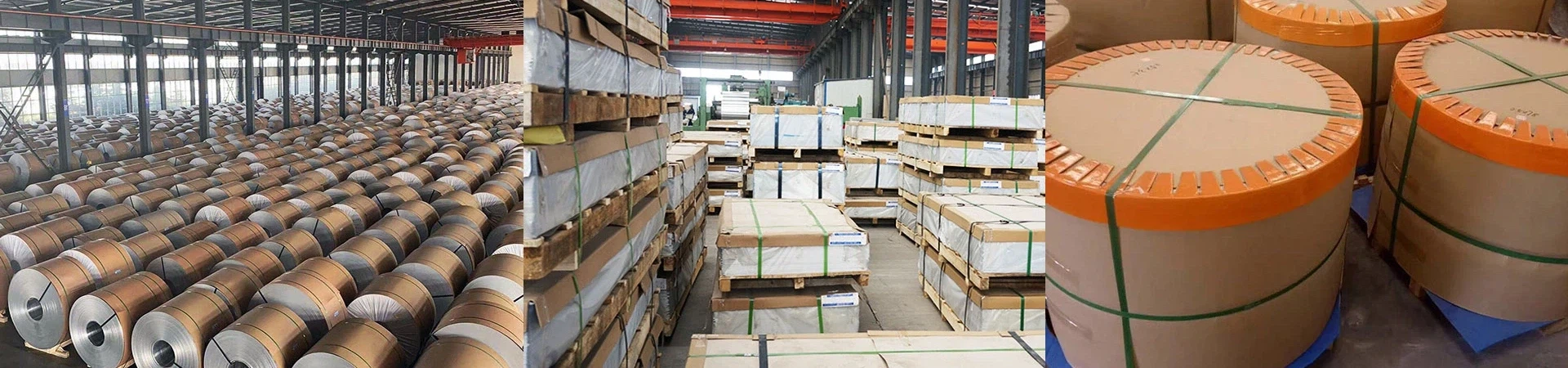
1050A and 3003 aluminum sheets are two of the most widely used aluminum alloys in the global manufacturing industry, but they are engineered to serve fundamentally different purposes.
1050A aluminum sheet is a commercially pure alloy (minimum 99.5% aluminum). It offers excellent formability, high electrical conductivity, and lower strength.
The 3003 aluminum sheet is alloyed with manganese. It is significantly stronger, offers better general corrosion resistance, and is considered the most versatile aluminum alloy for widespread industrial use.
For most general industrial and structural applications, 3003 aluminum is preferred due to its strength. However, 1050A is the ideal choice for applications requiring extreme ductility, deep drawing, or high thermal and electrical conductivity.
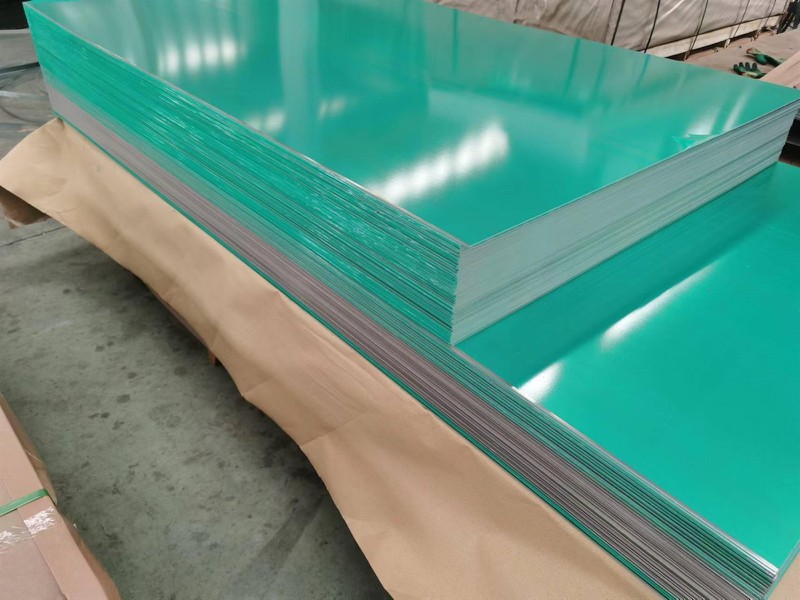
1050A Aluminum vs 3003 Aluminum
For procurement managers and engineers needing a fast reference, here is the high-level breakdown between these two materials.
| Property | 1050A Aluminum Sheet | 3003 Aluminum Sheet |
| Aluminum Content | ≥ 99.5% (High Purity) | ~98.6% |
| Primary Alloying Element | None (Commercially Pure) | Manganese (Mn) |
| Overall Strength | Low | Medium (approx. 20% stronger) |
| Corrosion Resistance | Good | Very Good |
| Formability / Ductility | Excellent (Best for deep drawing) | Good |
| Weldability | Excellent | Excellent |
| Typical Use Case | Electrical components, complex forming | General industrial, roofing, tanks |
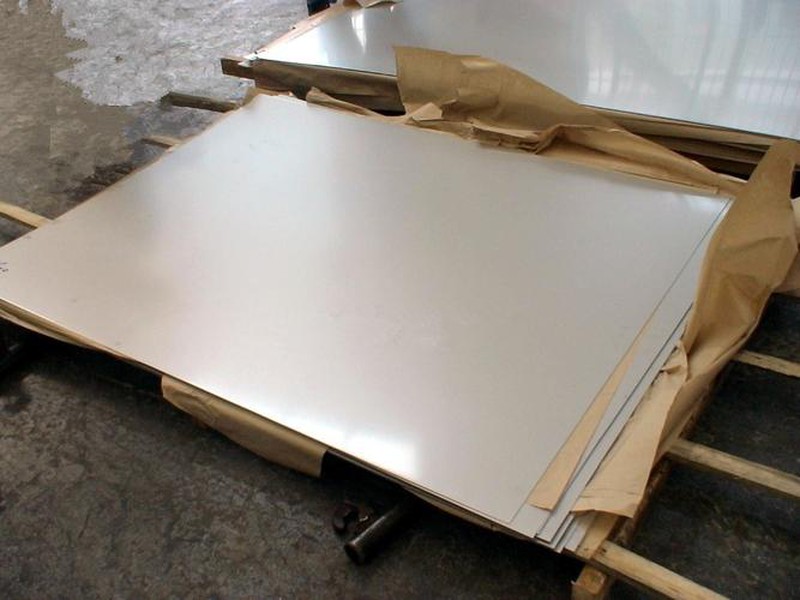
1050A Aluminum vs 3003 Chemical Composition Difference
To understand why you should buy 1050A aluminum sheet for one project and 3003 for another, you must look at their metallurgical makeup. The difference in their behavior on the factory floor comes down to a fraction of a percent of specific elements.
Typical Chemical Limits (%):
| Element | 1050A Aluminum (%) | 3003 Aluminum (%) |
| Aluminum (Al) | ≥ 99.5 | Balance |
| Manganese (Mn) | - (Trace) | 1.0 – 1.5 |
| Copper (Cu) | ≤ 0.05 | 0.05 – 0.20 |
| Iron (Fe) | ≤ 0.40 | ≤ 0.70 |
| Silicon (Si) | ≤ 0.25 | ≤ 0.60 |
The Metallurgical Logic:
- Why 1050A has superior ductility: The extreme purity of 1050A means there are very few alloying elements to interrupt the aluminum crystal lattice. This allows the metal to stretch, bend, and form without cracking.
- Why 3003 is significantly stronger: The addition of 1.0% to 1.5% Manganese (Mn) in 3003 aluminum acts as a solid solution strengthener. The manganese atoms lock the aluminum grain structure, making it harder for the metal to deform under mechanical stress. This simple addition makes 3003 roughly 20% stronger than the 1000-series alloys.
1050A-H12 vs 3003-H14 Mechanical Properties Comparison
When evaluating these materials for sheet metal fabrication, we typically look at common strain-hardened tempers. Here is how 1050A in the H12 temper (1/4 hard) compares to the highly common 3003 in the H14 temper (1/2 hard).
| Mechanical Property | 1050A-H12 Aluminum | 3003-H14 Aluminum | What This Means for Fabrication |
| Tensile Strength | 95 – 125 MPa | 140 – 180 MPa | 3003 can take more overall pulling force before snapping. |
| Yield Strength | ≥ 65 MPa | ≥ 115 MPa | Crucial Metric: 3003 requires nearly double the force to permanently bend or dent compared to 1050A. |
| Elongation | ≥ 10% | ≥ 8% | 1050A stretches further before tearing, making it better for deep stamping. |
The Engineering Conclusion: 3003 aluminum sheet is significantly stronger than 1050A. If the final product will face physical impacts or hold weight, 3003 is the required baseline material.
In-Depth Industry Case Study
To demonstrate the real-world impact of choosing between 1050A and 3003, here is a sourcing case study from our factory floor.
- The Client: A manufacturer of commercial HVAC (Heating, Ventilation, and Air Conditioning) units.
- The Initial Problem: The client wanted to streamline their supply chain by using a single aluminum alloy for both the external weather-proof casings of their units and the internal heat exchanger fins. They initially ordered wholesale 1050A aluminum sheets for everything to save on material costs and leverage its thermal conductivity.
- The Failure: Within three months of field testing, they faced two massive failures. First, the 1050A external casings were too soft; they were denting during transport and installation. Second, while the internal fins formed beautifully, the overall unit lacked structural rigidity.
- Our Solution: Our material engineers restructured their Bill of Materials (BOM).
- We switched the external casings to 3003-H14 aluminum sheet. The manganese content provided the exact yield strength needed to resist denting and handling damage, while maintaining excellent weather resistance.
- We kept the internal heat exchanger fins as 1050A-O (fully soft) aluminum. The extreme purity of 1050A maximized thermal conductivity, and the soft temper allowed for aggressive, high-speed deep stamping without the metal tearing.
The Result: By understanding the specific strengths of both 1050A and 3003, the client eliminated transport damages entirely while improving the thermal efficiency of their units by 8%. They now purchase mixed containers of both alloys from us regularly.
Facing a fabrication issue or not sure which alloy fits your exact application? Don't risk product failure. Send your design requirements and processing methods to our engineering team. We will provide a quick, data-driven material recommendation and a direct factory quote.
1050A vs. 3003: Which One Should You Choose?
As a direct supplier, we help procurement teams make this decision daily. Here is your definitive selection guide.
Choose 1050A Aluminum Sheet When:
You Need Extreme Ductility: Your fabrication process involves deep drawing, severe spinning, or complex bending with very tight radii.
Electrical/Thermal Conductivity is Critical: You are manufacturing busbars, electrical transformers, or heat sinks where unalloyed aluminum performs best.
The Application is Non-Structural: The part will not bear any load or face physical impacts (e.g., light reflectors, decorative panels, nameplates).
Review specifications and request pricing for 1050a-aluminum-sheet.
Choose 3003 Aluminum Sheet When:
You Need Better Strength: Your product requires rigidity and resistance to denting or bending (e.g., equipment enclosures, roofing panels).
General Industrial Applications: You are making parts that require a balance of moderate strength, good weldability, and workability.
Better Corrosion Resistance: While 1050A is good, 3003 performs slightly better in general outdoor or chemical environments, making it ideal for chemical storage tanks and pipe jacketing.
Explore our supply range and get a quote for 3003-aluminum-sheet.
1050A vs. 3003 Aluminum Application Comparison
To further clarify, here is how different industries divide the use of these two alloys:
| Industrial Application | Recommended Alloy | Why? |
| Electrical Conductors & Busbars | 1050A | Highest electrical conductivity due to 99.5% purity. |
| Chemical Storage Tanks | 3003 | Better structural integrity to hold liquid weight; excellent chemical resistance. |
| Industrial Cookware | 3003 | Resists denting in commercial kitchens better than 1000-series. |
| Lighting Reflectors | 1050A | Excellent surface finish and reflectivity after polishing/anodizing. |
| Roofing Sheets & Trailer Panels | 3003 | Higher yield strength to withstand wind loads and physical impacts. |
| Foil Packaging & Cosmetics | 1050A | High formability for shaping into complex, small containers. |

1050A vs 3003 Aluminum Sheet Cost Comparison
For purchasing managers, the final decision often comes down to budget. How do these two alloys compare in price?
- Raw Material Base: Both alloys use the LME (London Metal Exchange) aluminum ingot price as their base.
- Processing Fee: 1050A usually has a slightly lower cost. Because it is commercially pure and lacks the manganese additions of 3003, it is slightly easier and faster for the mill to cast and roll.
- The 3003 Premium: 3003 has a slightly higher cost due to the addition of alloying elements and slightly more intensive rolling parameters. However, the price difference is usually minimal (often just a few cents per kilogram).
The Business Verdict: 3003 offers a significantly better strength-to-cost ratio for most applications. Unless you specifically require the extreme formability or conductivity of 1050A, spending the fractionally higher price for 3003 aluminum sheet will yield a much more durable final product, reducing your warranty claims and defect rates.
Our Factory Supply Capabilities
When you source from GNEE, you are partnering with a factory equipped to handle large-scale, complex demands:
- Custom Size Cutting: We process wide master coils into precise sheet sizes or narrow strips, ready for your stamping machines.
- Mixed Container Loading: We support projects that require multiple alloys. You can order 1050A coils, 3003 sheets, and 6061 plates in a single shipment to optimize logistics costs.
- Export-Grade Packaging: Aluminum sheets are highly susceptible to moisture damage during sea freight. We utilize multi-layer waterproof wrapping, desiccants, and heavy-duty fumigated wooden pallets to ensure your material arrives spotless.
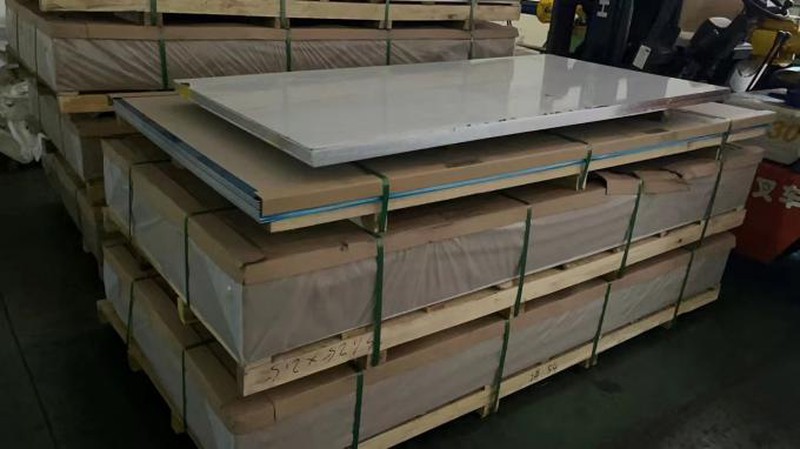
Preparing for a new production run? We supply wholesale 1050A and 3003 aluminum sheets and coils with tight tolerances and strict quality control. Send us your required thicknesses, widths, and quantities today for an itemized, competitive factory quotation.


