Yes, 6083 aluminum is generally stronger than 6061 aluminum, especially when comparing both alloys in the common T6 heat-treated condition.
The key difference lies in their primary intended applications:
- 6083 Aluminum: Engineered for higher tensile and yield strength, making it the superior choice for heavy-duty structural applications.
- 6061 Aluminum: Known for its balanced properties, offering moderate strength combined with excellent machinability, making it the industry standard for general-purpose CNC machining.
The decision to use one over the other is a critical engineering trade-off. Your choice depends directly on whether ultimate strength or ease of fabrication is the more important factor for your specific project.
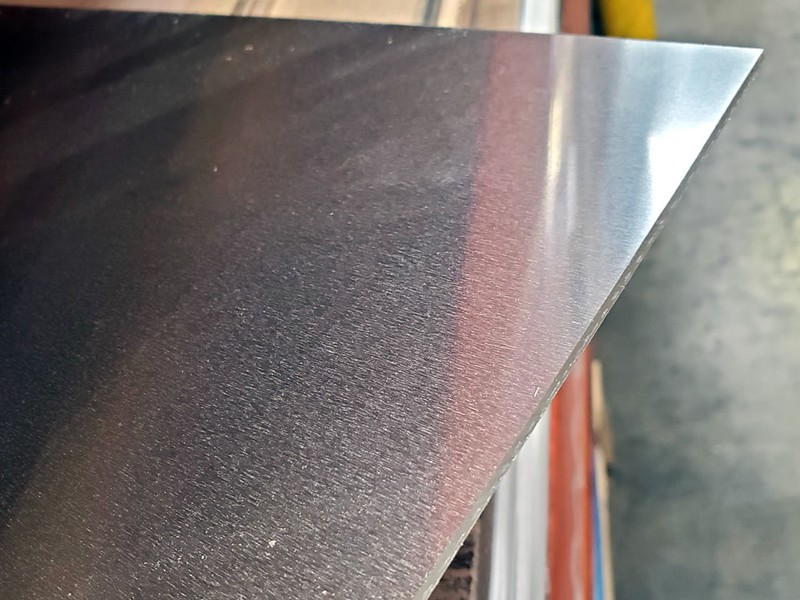
6083-T6 vs 6061-T6 Aluminum
For engineers and procurement managers who need the data upfront, this table shows the typical mechanical property values for both alloys in the T6 temper.
| Mechanical Property | 6083-T6 Aluminum | 6061-T6 Aluminum |
| Tensile Strength | 290 – 320 MPa | 260 – 310 MPa |
| Yield Strength | 250 – 270 MPa | 240 – 270 MPa |
| Elongation (% in 50mm) | 8 – 10% | 10 – 12% |
| Brinell Hardness | 85 – 95 HB | 80 – 90 HB |
| Strength Level | Higher | Medium |
Note: The Yield Strength is the most critical figure for structural design. This is the point at which the material begins to permanently deform. 6083 consistently offers a higher minimum yield strength, providing a greater safety margin in load-bearing applications.
Why is 6083 Aluminum Stronger?
The superior strength of 6083 aluminum is not accidental; it is a direct result of its specific chemical composition. Both are 6000-series Al-Mg-Si alloys, but the subtle differences in alloying elements, particularly Manganese (Mn), lead to different performance characteristics after heat treatment.
5083 VS 6061 Aluminum Chemical Composition Comparison (Typical %):
| Element | 6083 Aluminum | 6061 Aluminum |
| Silicon (Si) | 0.7 – 1.3 | 0.4 – 0.8 |
| Magnesium (Mg) | 0.6 – 1.2 | 0.8 – 1.2 |
| Manganese (Mn) | 0.4 – 1.0 | ≤ 0.15 |
| Copper (Cu) | ≤ 0.1 | 0.15 – 0.40 |
The significantly higher Manganese content in 6083 aluminum acts as a strengthening agent. It helps to refine the grain structure and increases the alloy's strain hardening response. This results in:
- Higher Mechanical Strength: The alloy can simply withstand more force.
- Better Performance in Thick Plates: 6083 maintains its strength properties more consistently through thicker cross-sections.
- More Stable Load-Bearing Capacity: It provides a more robust foundation for structures under continuous or fluctuating stress.
Ready to source a high-strength alloy? View the specs for our 6083-aluminium-plate.
A Real-World Case Study
To illustrate the practical difference, consider a sourcing challenge we recently helped a client solve.
The Client: A manufacturer of mobile crane bases.
The Problem: They were using 6061-T6 aluminum plates (100mm thick) for their crane baseplates. While sufficient for their standard models, their new heavy-lift model was showing slight, but unacceptable, deflection at the outrigger mounting points during maximum load testing. The calculations showed the 6061-T6's yield strength was too close to the required safety factor.
The Solution: A simple increase in the thickness of the 6061 plate would have added too much weight. Instead, we recommended they buy 6083 aluminum plate in the T651 temper.
- Higher Strength: The higher yield strength of the 6083 alloy provided the necessary 15% increase in safety margin without adding any weight.
- Stress Relief (T651): Because the baseplate required extensive CNC machining (drilling, boring, pocketing), the T651 temper was critical. The "51" indicates the plate was mechanically stretched to relieve internal stresses. This ensured the 100mm thick plate remained perfectly flat and dimensionally stable throughout the machining process, preventing warping.
The Outcome: The new crane base made from 6083-T651 aluminum passed all load tests with zero deflection issues. The client was able to launch their heavy-lift model on schedule. This case proves that when strength is non-negotiable, 6083 is the correct engineering choice.
6083 vs 6061: Strength and Machinability
Choose 6083 Aluminum for Ultimate Strength
You must specify 6083 aluminum when your project's primary requirement is structural integrity under heavy load. Use it for:
- High Load-Bearing Performance: Main support beams, heavy machinery bases, and structural frames.
- Structural Reliability: Components where failure could be catastrophic, like crane parts, vehicle chassis, and industrial platforms.
- Heavy-Duty Applications: Any application where the material will be subjected to high stress, vibration, or impact.
Choose 6061 Aluminum for Ease of Machining
You should specify 6061 aluminum when the priority is efficient, high-volume production of parts, and the strength requirements are moderate. Use it for:
- High-Speed CNC Machining: 6061 produces small, manageable chips, leading to faster production times and lower tooling costs.
- Complex Parts: Intricate components with many features, threads, and tight tolerances.
- Smooth Surface Finish: It is easier to achieve a high-quality, aesthetic surface finish on 6061 with standard machining practices.
Need a versatile, easy-to-machine alloy? Explore our 6061-aluminium-plate.
Still not sure which aluminum alloy is the right fit for your project? Send our engineering team your specifications, drawings, or load requirements. We will provide a quick technical recommendation and a competitive quote within 24 hours.
6083 vs 6061: Application-Based Comparison
Structural Engineering:
Winner: 6083 aluminum. Its higher yield strength makes it the safer and more reliable choice for load-bearing structures.
Heavy Equipment Manufacturing:
Winner: 6083 aluminum. Used for chassis, booms, and baseplates where strength and durability are paramount.
Precision Machined Parts:
Winner: 6061 aluminum. The preferred material for jigs, fixtures, electronic enclosures, and any high-volume CNC-machined component.
General Industrial Use:
Winner: 6061 aluminum. For brackets, base plates, and standard components that are not under extreme stress, 6061 offers the best balance of price, availability, and performance.
Common Buyer Questions (FAQ)
Q: Is 6083 always better than 6061?
A: No. "Better" depends on the application. 6083 is stronger, but 6061 is easier and cheaper to machine. If your part doesn't need the extra strength of 6083, using it will only increase your production time and costs.
Q: Which aluminum is better for structural use, 6083 or 6061?
A: 6083 aluminum is generally preferred for primary structural applications. Its higher yield strength provides a larger safety margin, which is a critical consideration in structural engineering.
Q: Can 6061 replace 6083 in a design?
A: It is not recommended to substitute 6061 for 6083 in an application that was originally designed for 6083's higher strength. Doing so could compromise the structural integrity and safety of the final product. You can, however, often replace 6061 with 6083 to upgrade the strength of a component.
Q: As a supplier, how do you guarantee the strength of the 6083 plate?
A: As a reliable 6083 aluminum plate supplier, we guarantee strength through rigorous testing. Every batch of our heat-treated plates undergoes tensile testing on a universal testing machine. The results are documented on a Mill Test Certificate (MTC EN 10204 3.1) that is sent with every shipment, proving that the material meets the specified T6 mechanical properties.
Working on a project with diverse material needs? We understand that a single assembly can require both high-strength and highly machinable parts. We support mixed orders of 6083 and 6061 plates, custom cut to your exact sizes, in one consolidated shipment. Share your Bill of Materials (BOM) with us today!