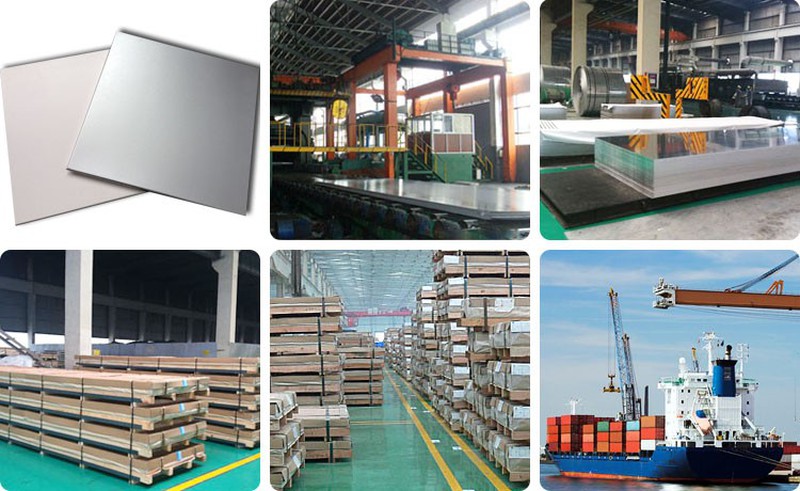
If you are asking, "What is 6083 aluminum used for?" the direct answer is: 6083 aluminum is a high-performance, heat-treatable alloy specifically designed for heavy-duty structural and engineering applications that require high strength, excellent load-bearing capacity, and good general corrosion resistance.
Unlike decorative or general-purpose alloys, 6083 is an industrial-grade material. It is most commonly used in manufacturing heavy-duty structures, commercial transportation equipment, and thick industrial components where material failure is not an option.
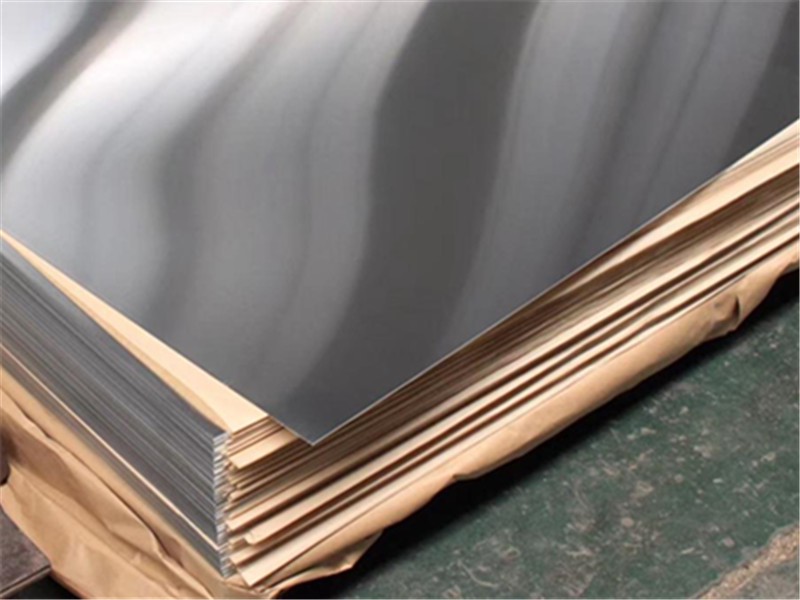
Key Properties That Define 6083 Aluminum Plate Applications
Engineers do not select materials by chance; they specify 6083 aluminum plate based on strict mechanical requirements. The widespread use of this alloy is driven by four core metallurgical properties:
- High Mechanical Strength: In its standard T6 condition, 6083 offers a higher yield and tensile strength than the widely known 6061 alloy. This means it can withstand significantly heavier loads before permanently bending or breaking.
- Good Corrosion Resistance: Being an Al-Mg-Si (6000 series) alloy, it naturally resists oxidation and atmospheric corrosion, making it highly suitable for outdoor structural projects without the immediate need for heavy protective coatings.
- Reliable Welding Performance: 6083 can be readily welded using standard TIG and MIG processes with appropriate filler wires (like 5356). It maintains a good portion of its structural integrity in the heat-affected zone (HAZ), which is critical for large structural frames.
- Stability in Thick Plates: Many alloys lose their internal consistency when cast into thick blocks. 6083 maintains its mechanical properties even in ultra-thick plates (up to 300mm), making it ideal for deep CNC machining and heavy mold bases.
View detailed mechanical properties and request a quote for 6083-aluminium-plate.
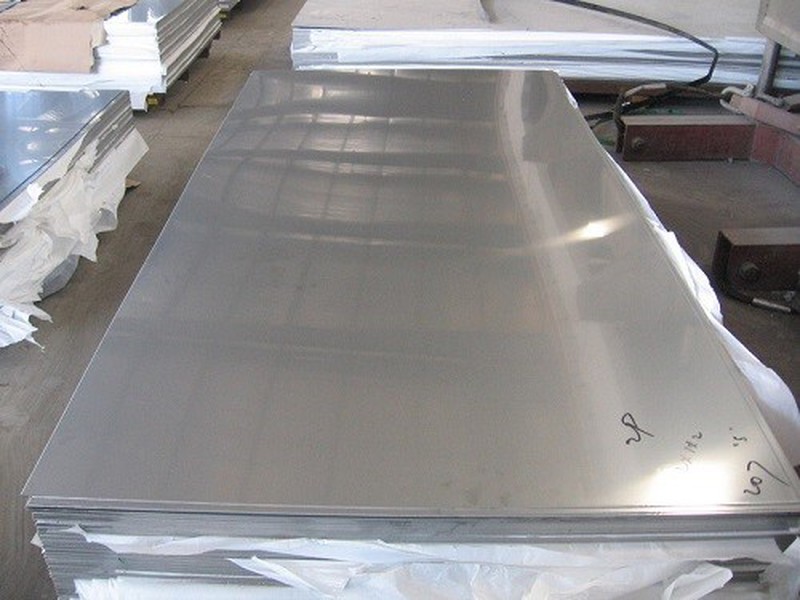
Main Applications of 6083 Aluminum Sheet and Plate
Because of its specific strength-to-weight ratio, wholesale structural aluminum plate is heavily utilized across several demanding industrial sectors.
1. Structural Engineering
When steel is too heavy but standard aluminum is too weak, 6083 is the answer. It is widely used in building frameworks, heavy-duty load-bearing components, and industrial walking platforms. Its high yield strength ensures that structural frames do not sag or deform under continuous heavy loads, providing a reliable foundation for factory automation lines and heavy equipment installations.
2. Transportation Equipment
Weight reduction in transportation directly translates to higher payload capacity and lower fuel consumption. 6083 aluminum is heavily specified for manufacturing truck bodies, flatbed trailers, and railway carriage components. The alloy is strong enough to handle the daily impacts of loading and the constant vibration of road transport while significantly shedding tare weight compared to steel chassis.
3. Heavy Machinery Manufacturing
In the machinery sector, stability is everything. Thick 6083 aluminum blocks are used to CNC machine equipment bases, heavy machine frames, and industrial supports. Because we can supply this alloy in a stress-relieved condition (T651), machine shops can mill deep pockets into the plate without the material warping.
4. Construction Industry
For modern architectural and infrastructural projects, 6083 is used in bridge components, high-stress building structures, and heavy-duty support systems. Its natural corrosion resistance significantly lowers the long-term maintenance costs of outdoor construction projects.
Replacing Steel in Mining Equipment
To truly understand what 6083 aluminum is used for, let's look at a real-world sourcing case from our factory.
The Challenge: A manufacturer of heavy off-road mining dump trucks was facing strict regulations on vehicle weight. Their existing truck chassis mounts and structural cross-members were fabricated from heavy carbon steel. They needed to cut weight drastically to increase the ore payload, but the environment involved massive shock loads and constant vibration.
The Solution: Standard 6061 aluminum did not offer the required safety margin for yield strength. We recommended and supplied custom-cut 6083 T651 aluminum plates in thicknesses of 50mm and 80mm.
The Factory Process:
- Internal Quality: Because these were thick, critical structural components, we performed Ultrasonic Testing (UT) on every single plate before shipping to guarantee there were no internal gas pockets or micro-cracks.
- Stress Relief: We supplied the T651 temper. The plates were mechanically stretched by our heavy equipment after heat treatment. This eliminated the internal residual stress, allowing the client's CNC machines to drill and bore large mounting holes without the 80mm plates distorting.
- Delivery: We waterjet-cut the plates to their near-net shape, saving the client 20 hours of rough machining time.
The Result: The client reduced the chassis component weight by nearly 40% while maintaining the exact same load-bearing capacity as their old steel design, proving the absolute reliability of 6083 aluminum in extreme applications.
Looking for a reliable 6083 aluminum sheet supplier for your next heavy-duty project? Send us your required sizes, thickness, and application details. Our engineering sales team will provide a precise quotation and lead time within 24 hours.
6083 vs Other Aluminum Alloys
Buyers often ask us how 6083 compares to other popular alloys in the market. Here is the direct industrial comparison to guide your procurement.
6083 vs 6061 Aluminum Plate
- 6083 Aluminum: Offers higher tensile and yield strength. It is the better choice when structural load-bearing capacity is the absolute priority.
- 6061 Aluminum: The industry standard for general purposes. It has slightly lower strength but offers much better CNC machinability and chip control. If your part requires highly complex, intricate machining rather than raw strength, 6061 is more cost-effective.
Learn more and get prices for 6061-aluminium-plate.
6083 vs 5083 Aluminum Plate
- 6083 Aluminum: A heat-treatable alloy designed for maximum dry structural strength. It has good general corrosion resistance but is not meant for constant saltwater immersion.
- 5083 Aluminum: A non-heat-treatable alloy specifically designed for extreme marine environments. It has lower hardness and yield strength than 6083 but offers absolutely superior corrosion resistance in seawater.
Sourcing for a shipbuilding project? See our 5083-aluminium-plate.
When Should You Use 6083 Aluminum Plate?
To summarize the engineering decision, you should specify and buy 6083 aluminum when your project strictly requires:
- High Load-Bearing Capacity: Your frame or base must support heavy static or dynamic weights without permanent deformation.
- Thick Aluminum Blocks: Your design requires thick plates (from 20mm up to 300mm) that maintain consistent internal mechanical properties.
- Structural Reliability: You are replacing steel to save weight but cannot afford to compromise on structural safety margins.
- Good Welding Performance: Your fabrication process involves heavy structural welding.
Working on a complex structural project? We don't just sell standard sheets; we provide solutions. We support custom size CNC cutting, thick block UT testing, and mixed alloy container supply (e.g., mixing 6083 plates and 6061 extrusions). Share your Bill of Materials (BOM) with us today for a comprehensive factory-direct quote.
Common Buyer Questions (FAQ)
Q: Is 6083 aluminum good for structural applications?
A: Yes, it is exceptional for structural applications. Due to its high yield strength and reliable performance under stress, it is widely utilized in structural engineering, heavy machinery frameworks, and commercial vehicle chassis.
Q: Can 6083 aluminum be used outdoors?
A: Yes. As part of the 6000-series aluminum family, 6083 has a natural resistance to atmospheric corrosion. While it does not match the marine-grade performance of 5083, it performs excellently outdoors, especially when anodized or coated.
Q: Is 6083 stronger than 6061 aluminum?
A: Yes. When compared in the exact same temper (like T6), 6083 generally offers higher tensile strength and yield strength than 6061 due to its optimized chemical composition, specifically its higher manganese content.
Q: What tempers are available for 6083 aluminum plates?
A: The most common and useful tempers for industrial applications are T6 (solution heat-treated and artificially aged for maximum strength) and T651 (stress-relieved by stretching, highly recommended for thick plates that require CNC machining). We also supply O temper (annealed) if you need to perform heavy forming operations.