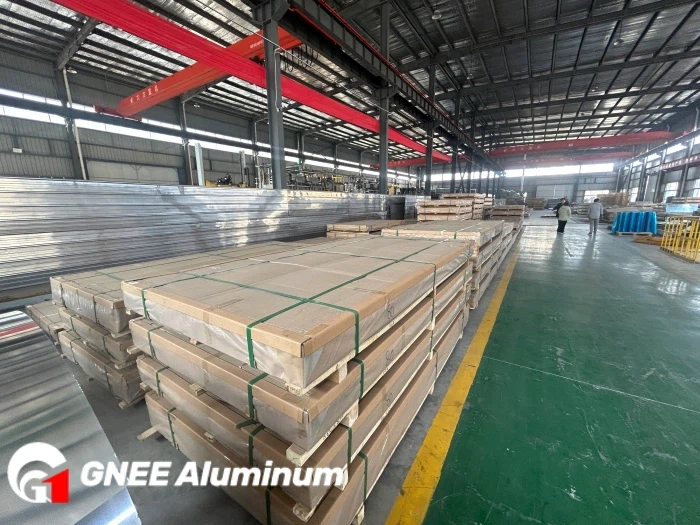
What is Marine Grade 5083 Aluminum Plate?
Marine Grade Aluminum Plate 5083 is a high-strength aluminum-magnesium (Al-Mg) alloy from the 5xxx series, globally recognized as the standard for shipbuilding and offshore construction. It is a non-heat-treatable alloy that achieves its strength through strain-hardening. Its exceptional corrosion resistance in severe saltwater environments makes it the mandatory choice for commercial vessels, naval ships, and LNG pressure vessels.
Understanding O and H116 Tempers in 5083 Aluminum
The temper designation determines the plate's mechanical properties and its suitability for manufacturing. Choosing the wrong temper will lead to fabrication failures.
- 5083-O Temper = Fully Annealed (Soft): The "O" temper means the aluminum plate is fully softened through an annealing heat treatment. This relieves all internal stress, making the metal extremely ductile and easy to form. It is the perfect choice for applications requiring heavy cold-working, deep drawing, or bending into complex shapes like pressure vessel heads.
- 5083-H116 Temper = Strain-Hardened for Marine Use (Hard): The "H116" temper is a high-strength, cold-worked condition. The mill strictly controls the rolling temperature to lock the internal grain structure, providing guaranteed resistance against seawater exfoliation corrosion (flaking). It is the standard for heavy structural applications like ship hulls.
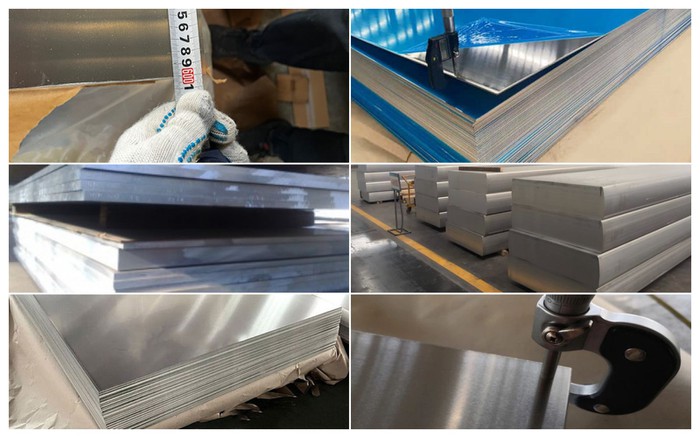
Chemical Composition of 5083 Marine Grade Aluminum Sheet
The outstanding performance of 5083 aluminum comes from its high magnesium content. GNEE adheres strictly to international standards like ASTM B928 and EN 573.
| Element | Content (Wt%) | Function in the Alloy |
| Magnesium (Mg) | 4.00 – 4.90% | Primary strengthening element; provides seawater resistance. |
| Manganese (Mn) | 0.40 – 1.00% | Improves material toughness and grain structure. |
| Chromium (Cr) | 0.05 – 0.25% | Stabilizes grain structure; prevents stress cracking. |
| Silicon (Si) | ≤ 0.40% | Controlled as an impurity to prevent brittleness. |
| Iron (Fe) | ≤ 0.40% | Controlled impurity. |
| Copper (Cu) | ≤ 0.10% | Minimized to prevent galvanic corrosion. |
| Zinc (Zn) | ≤ 0.25% | Controlled impurity. |
Mechanical Properties: 5083-O vs 5083-H116 Aluminum Plate
The mechanical properties vary drastically between the two tempers.
| Property | 5083-O Temper (Soft) | 5083-H116 Temper (Hard) |
| Ultimate Tensile Strength | ≥ 275 MPa | ≥ 305 MPa |
| Yield Strength (0.2% Offset) | ≥ 125 MPa | ≥ 215 MPa |
| Elongation | ≥ 16% | ≥ 10% |
| Density | 2.66 g/cm³ | 2.66 g/cm³ |
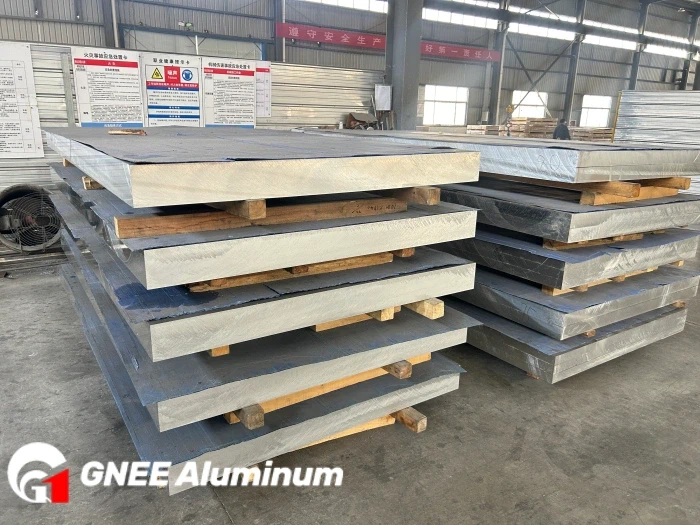
Key Advantages of Marine Grade 5083 Aluminum Sheet
- Absolute Seawater Resistance: Naturally immune to pitting and exfoliation corrosion in saltwater without requiring structural paint.
- High Strength-to-Weight Ratio: The H116 temper offers the highest strength of all non-heat-treatable aluminum alloys, allowing shipbuilders to reduce hull weight.
- Excellent Weldability: Compatible with standard MIG and TIG welding using ER5183 or ER5356 filler wires. The heat-affected zone (HAZ) retains excellent structural integrity.
- Extreme Cold Performance: Unlike steel, 5083 does not become brittle at sub-zero temperatures, making it ideal for cryogenic LNG tanks.
Core Applications of Marine Grade 5083 Aluminum Plate
By replacing heavy marine steel with 5083 aluminum, vessels drastically reduce their weight, which lowers fuel consumption and increases top speeds.
- Marine & Shipbuilding: Hulls, decks, bulkheads, and superstructures for commercial ferries, naval vessels, and offshore platforms. (Specify H116 or H321).
- Transportation: Fuel tanker trucks, railway cars, and heavy-duty dump trailers. (Specify O or H111 for bending).
- Pressure Vessels & Cryogenic Containers: LNG (Liquefied Natural Gas) storage tanks and chemical storage vessels. (Specify O-temper for formability).
Standards & Certifications for Marine Projects
For any marine or pressure vessel application, uncertified metal is unusable. GNEE provides fully traceable plates backed by major international classification societies.
- Global Standards: ASTM B928, EN 573 / EN 485.
- Marine Approvals: We supply DNV certified aluminum 5083, alongside ABS, LR, BV, KR and CCS certifications.
- Mill Test Certificate (MTC): Every plate is shipped with an EN 10204 3.1 or 3.2 MTC.
Alloy Comparison: 5083 Marine Aluminum vs 5052 / 5086 / 6061
Purchasing managers often compare 5083 with other common alloys to balance cost and performance.
| Alloy | Strength | Marine Corrosion Resistance | Best Application |
| 5083 H116 | High | Excellent (Exfoliation Tested) | Ship hulls, offshore rigs, LNG tanks. |
| 5052 H32 | Medium | Good | Small freshwater boats, fuel tanks, and general sheet metal. |
| 5086 H116 | High | Excellent | Patrol boats, decks (slightly lower strength than 5083). |
| 6061 T6 | Medium | Moderate (Requires Coating) | Structural frames, machined parts (Not for underwater marine use). |
Get Certified 5083 Aluminum Plates from GNEE
Whether you need highly formable 5083-O aluminum plate supplier sheets for tank fabrication or high-strength certified H116 plates for a new vessel build, GNEE is your direct manufacturing partner. We supply standard marine dimensions (e.g., 2000mm x 6000mm) and custom thicknesses ranging from 3mm up to 200mm.
Get Your Precise Material Quote Today
Do not risk your project with incorrectly specified materials. Are you looking for a reliable supply chain to keep your factory running on schedule?
Contact GNEE today. Send us your required thickness, temper (O, H116, H321, etc.), dimensions, and total tonnage. Our technical sales engineers will provide an exact quote within 24 hours.