


What Is the Difference Between 5083-H321 and 5083-H32 Aluminum Plate?
5083-H321 (ASTM B928) and 5083-H32 (ASTM B209) are both 5xxx series aluminum plates, but they differ significantly in processing, performance, and application standards.
ASTM B928 5083-H321 is specifically designed for shipbuilding with strict mandatory corrosion resistance requirements, including exfoliation testing.
In contrast, ASTM B209 5083-H32 is a general-purpose aluminum plate with standard certification requirements.
For critical marine applications, offshore structures, and projects requiring classification society approval, 5083-H321 under ASTM B928 is typically the mandatory and preferred choice.
Key Differences of 5083-H321 vs 5083-H32
To help procurement managers and naval engineers understand the critical distinctions between these two materials, we have summarized the core differences below:
| Item | 5083-H321 (ASTM B928) | 5083-H32 (ASTM B209) |
| Standard | ASTM B928 | ASTM B209 |
| Primary Application | Shipbuilding / offshore structures | General industrial / commercial |
| Corrosion Resistance | Excellent (Marine certified) | Good (General environment) |
| Exfoliation Test | Mandatory (ASTM G66) | Not required |
| Intergranular Corrosion Test | Mandatory (ASTM G67) | Not required |
| Heat Treatment | Strain-hardened + Stabilized (H321) | Strain-hardened + Work hardened (H32) |
| Marine Certification | ABS, DNV, LR, BV, CCS | Usually not required / Not applicable |
| Cost | Higher | Lower |
Summary: 5083-H321 (B928) is essentially an upgraded, highly stabilized version of 5083-H32 (B209) strictly engineered for harsh marine environments.
What Is ASTM B928 5083-H321 Aluminum Plate?
5083-H321 is a premium marine-grade aluminum alloy. The "5083" indicates it is an aluminum-magnesium (Al-Mg) alloy, renowned for retaining exceptional strength after welding.
The most critical part is the 5083 H321 temper. High-magnesium alloys can become susceptible to corrosion over time if not processed correctly. The 5083 H321 designation means the metal has been strain-hardened and then subjected to a specific thermal stabilization process. This stabilization prevents the magnesium from precipitating at the grain boundaries.
Consequently, 5083-H321 provides outstanding resistance to exfoliation corrosion (where the metal flakes away layer by layer) and intergranular corrosion in saltwater environments. It is manufactured under the strict ASTM B928 standard, which is dedicated exclusively to marine-grade aluminum.

What Is ASTM B209 5083-H32 Aluminum Alloy Plate?
5083-H32 is a high-strength structural aluminum plate. While it shares the exact same chemical composition (the 5083 alloy) as the H321 variant, its processing is different.
The H32 temper means the material is strain-hardened and then partially annealed to a quarter-hard state. It does not undergo the rigorous thermal stabilization process required for marine grades.
Furthermore, it is manufactured under the ASTM B209 standard, which is a general specification for commercial aluminum sheet and plate. Because it is not subjected to mandatory exfoliation or intergranular corrosion testing, it is significantly cheaper to produce. It is widely used in road transport, general fabrication, and machinery construction.
5083-H321 VS 5083-H32 Aluminum Plate Performance
Many procurement officers look at the mechanical data sheets and assume the two materials are interchangeable because their strength levels are almost identical.
| Property | 5083-H321 (ASTM B928) | 5083-H32 (ASTM B209) |
| Tensile Strength (Ultimate) | ≈ 315 MPa (46,000 psi) | ≈ 305 MPa (44,000 psi) |
| Yield Strength | ≈ 215 MPa (31,000 psi) | ≈ 215 MPa (31,000 psi) |
| Elongation | ≥ 10–12% | ≥ 10–12% |
| Long-term Saltwater Resistance | Superior (Tested & Certified) | Good (But prone to degradation over time) |
The crucial engineering takeaway: The main difference is not physical strength, but long-term metallurgical stability and certification. 5083-H32 will physically hold the same weight as 5083-H321, but in a harsh saltwater environment, the H32 plate may eventually suffer from internal corrosion, while the H321 plate will remain structurally sound for decades.
Are you unsure which standard your current engineering blueprint requires? Contact our technical sales team for a rapid material assessment to ensure your project complies with safety regulations.
Selecting the wrong standard can lead to catastrophic structural failure or wasted budget. Use this guide to make the right procurement decision:
Choose 5083-H321 (ASTM B928) if:
- You are building shipbuilding projects (hulls, main decks, superstructures).
- You are constructing offshore structures (oil rigs, wind turbine service vessels).
- The material will be used for LNG (Liquefied Natural Gas) storage tanks.
- The plate will face continuous, long-term exposure to seawater and salt spray.
- The project strictly requires classification society certification (such as ABS, DNV, LR) for insurance and vessel registration purposes.
Choose 5083-H32 (ASTM B209) if:
- You are working on general structural applications (inland architecture, framework).
- You are manufacturing road transportation vehicles (dump trucks, trailers, railway cars).
- The application involves freshwater or non-corrosive industrial environments.
- You are managing a budget-sensitive project where extreme marine durability is not a factor.
- No marine classification certification is required by the end-user.
Looking to balance your project budget? Request a free quote today to compare the current factory-direct pricing for both B928 and B209 standard plates.

GNEE Supply Capability for 5083 Aluminum Plates
Sourcing industrial aluminum requires a manufacturing partner that understands exact specifications and offers flexible supply chain solutions. As a professional aluminum manufacturer, GNEE, a leading Chinese supplier, provides both ASTM B928 and ASTM B209 aluminum plates to meet diverse global project requirements.
✔ Multi-Alloy & Flexible Ordering
- Available alloys: We carry comprehensive stocks of 5083, 5086, 5052, and 6061.
- Tempers available: H116, H321, H32, H111, and O temper.
- Custom dimensions: We supply custom thicknesses (from 3mm up to 50mm+), extreme widths (up to 2600mm), and exact cut-to-length plates.
- Mixed orders supported: We support multi-grade and multi-specification procurement in one single shipment container. This flexibility helps customers drastically reduce sourcing costs, bypass single-item Minimum Order Quantities (MOQ), and simplify international logistics.
✔ Advanced Production Equipment
- Hot rolling lines: Ensuring flawless internal grain structures for heavy-duty plates.
- Precision leveling machines: Guaranteeing strict flatness tolerances required by automated welding machines.
- Heat treatment & stabilization systems: Precisely controlling the H321 tempering process to guarantee passing results in ASTM G66 and G67 testing.
- Ultrasonic testing (UT inspection): Ensuring zero internal defects or delamination.
✔ Strong Production Capacity
- Monthly output: 5,000+ tons of industrial and marine-grade aluminum.
- Fast delivery: Standard lead times range from 7 to 25 days depending on customization.
- Stable supply: We act as a reliable supply chain backbone for large-scale marine and industrial projects worldwide.


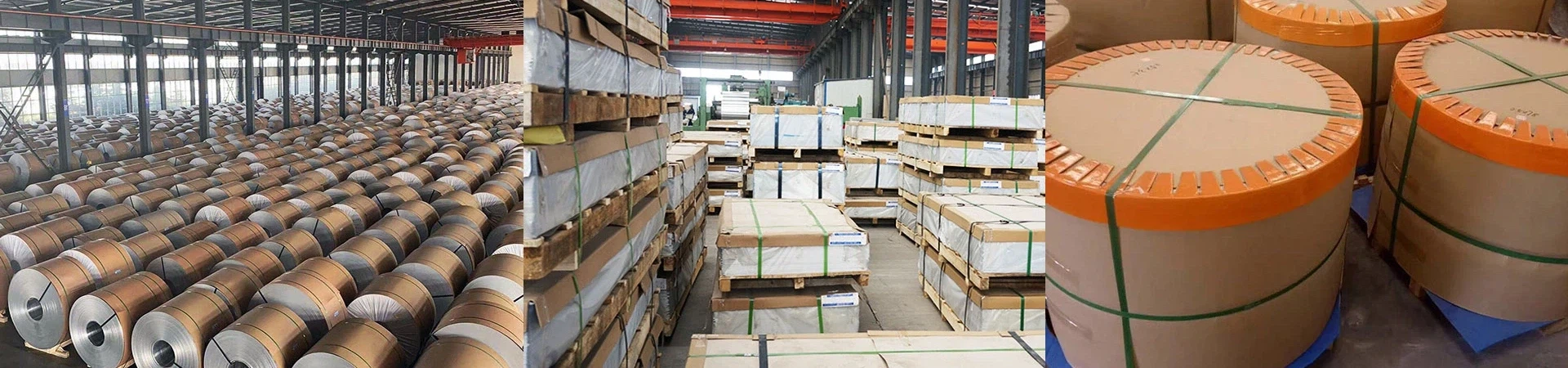
Packaging & Delivery
GNEE adopts rigorous, export-standard packaging to ensure your aluminum plates arrive at your facility in pristine condition, regardless of ocean transit times:
- Seaworthy wooden pallets: Heavily reinforced and fumigated to bear metric tons of weight.
- Waterproof film + kraft paper: Each plate is thoroughly wrapped to prevent oxidation and water staining from humid sea air.
- Edge protection: Hardened guards are applied to prevent denting from lifting straps and forklift handling.
- Customized export packaging: We adapt to your specific port unloading requirements or warehouse management systems.


Conclusion
Understanding the fundamental differences between 5083-H321 ASTM B928 and 5083-H32 ASTM B209 is critical for ensuring the safety, compliance, and budget efficiency of your project. While B209 is a fantastic general-purpose material, B928 remains the uncompromising standard for the maritime industry.
Ready to streamline your aluminum procurement? Send us your detailed BOM, thickness requirements, or drawing specifications today. Our technical sales team will review your needs and reply with a competitive proposal within 24 hours.


