


What Is the Difference Between ASTM B209 and ASTM B928 5083-H321 Aluminum Plate?
ASTM B209 and ASTM B928 both cover aluminum alloy plates such as 5083-H321, but they serve entirely different purposes in engineering. ASTM B209 is a general specification for commercial aluminum sheet and plate used in standard industrial applications. In contrast, ASTM B928 is specifically designed for marine applications, demanding much stricter requirements for corrosion resistance-especially exfoliation corrosion.
For shipbuilding and offshore structures, ASTM B928 is typically the preferred and mandatory standard due to its higher quality control, mandatory metallurgical testing, and verified durability in seawater.
Key Differences of ASTM B209 vs ASTM B928
To help procurement managers and naval engineers understand the critical distinctions between these two standards, we have summarized the core differences below:
| Feature / Item | ASTM B209 | ASTM B928 |
| Application Scope | General commercial and industrial use | Exclusively for marine and shipbuilding |
| Corrosion Testing | Not mandatory | Mandatory exfoliation & intergranular corrosion test |
| Quality Requirements | Standard industrial tolerances | More stringent control over grain structure and strength |
| Typical Alloys Covered | 1000, 3000, 5052, 6061, 5083, etc. | High-Mg marine grades: 5083, 5086, 5456 |
| Marine Certification | Basic (Usually only Mill Test Certificate) | Requires Marine classification (ABS, DNV, LR, BV) |
| Typical Use Cases | General structures, road tanks, machinery | Ship hulls, offshore platforms, LNG storage |
Summary: ASTM B928 can be considered an upgraded, highly specialized standard of ASTM B209, specifically engineered for the harsh realities of marine environments.

What Is 5083-H321 Aluminum Plate?
Before diving deeper into the standards, it is essential to understand the material itself. 5083-H321 aluminum plate is a strain-hardened and thermally stabilized alloy that provides excellent resistance to seawater corrosion, making it ideal for long-term marine exposure.
- The 5083 Alloy: This is a 5xxx series aluminum alloy where magnesium (Mg) is the primary alloying element (typically between 4.0% and 4.9%). The high magnesium content gives 5083 its exceptional tensile strength and superior weldability, maintaining its structural integrity even in the heat-affected zones (HAZ) after welding.
- The H321 Temper: Aluminum alloys with high magnesium content can become susceptible to intergranular corrosion over time if not treated correctly. The H321 temper means the metal has been strain-hardened (cold worked) and then subjected to a specific low-temperature thermal stabilization process. This locks the internal grain structure, preventing the magnesium from precipitating at the grain boundaries, which ultimately stops the metal from corroding from the inside out.
Are you unsure whether your project requires ASTM B209 or B928? Contact our technical engineering team today for a quick material assessment and ensure your design meets safety regulations.
Why ASTM B928 Is Preferred for Marine Use
Using a standard ASTM B209 5083 plate in a saltwater environment is a significant structural risk. Marine engineers strictly specify ASTM B928 for several critical reasons:
- Enhanced resistance to exfoliation corrosion: This is the most crucial factor. Under ASTM B928, plates must undergo the ASSET test (ASTM G66). This ensures the plate will not flake, peel, or delaminate layer by layer when subjected to years of continuous salt spray and ocean impact.
- Intergranular corrosion control: B928 mandates the ASTM G67 test, which measures mass loss to guarantee the internal grain boundaries are stable and will not weaken over time.
- Strict mechanical property control: B928 dictates tighter controls on yield strength and tensile strength consistency across the entire dimension of large, thick hull plates.
- Verified performance in seawater environments: A B928 plate provides peace of mind. It is guaranteed to perform in the highly corrosive, high-moisture, and high-stress environment of the open ocean.
- Required by shipbuilding standards: If a vessel needs to be insured and registered, the hull material must pass classification society inspections. Classification societies like ABS (American Bureau of Shipping) and DNV (Det Norske Veritas) base their marine aluminum approvals on the strict testing parameters defined in ASTM B928.


When to Choose B209 vs B928
Making the right procurement decision balances project safety, regulatory compliance, and material costs. Here is a direct guide on how to choose:
Choose ASTM B209 if:
- You are building general structural components that will not be exposed to saltwater.
- The application is a freshwater, inland watercraft where salt corrosion is not a factor.
- The project is highly cost-sensitive and standard industrial tolerances are acceptable.
- You are manufacturing road transport tanks, rail cars, or chemical storage where specific marine certifications are not requested by the end-user.
Choose ASTM B928 if:
- You are constructing ocean-going ship hulls, catamarans, patrol vessels, or workboats.
- You are building offshore oil & gas platforms or wind turbine service vessels.
- The plate will face long-term, direct seawater exposure and severe marine weather.
- The project requires official material certification from marine classification societies (DNV, ABS, LR, BV, CCS).
- Failure of the metal could result in catastrophic structural damage or loss of life.
Need to balance your budget without sacrificing structural safety? Request a free quote today to compare the current pricing and lead times for both B209 and B928 standard plates.
GNEE Supply Capability for 5083-H321 Aluminum Plate
Sourcing reliable marine aluminum requires a manufacturing partner with flexible supply chain capabilities and uncompromising quality control. As a professional aluminum manufacturer, GNEE, a leading Chinese supplier, provides both ASTM B209 and ASTM B928 standard aluminum plates to meet diverse global project requirements.
✔ Multi-Alloy & Multi-Specification Supply
- Available alloys: We stock and produce 5083, 5086, 5456, 5052, and 6061.
- Tempers: H116, H321, H111, and O.
- Custom dimensions: We provide custom thicknesses (up to 50mm+), wide widths (up to 2600mm), and cut-to-length services to reduce your fabrication scrap.
- Support for mixed orders: We know shipyards rarely just need one size. GNEE supports flexible procurement solutions, allowing customers to combine different alloys, tempers, and specifications in a single shipment container, significantly reducing your sourcing complexity, inventory pressure, and logistics costs.
✔ Advanced Production Equipment
- Hot rolling production lines: Ensuring a dense, defect-free internal structure suitable for heavy marine loads.
- Precision leveling machines: Delivering excellent flatness, which is essential for seamless shipyard welding.
- Heat treatment & stabilization systems: Precisely controlling the H321 and H116 tempering processes to pass ASTM B928 testing.
- Ultrasonic inspection (UT): Ensuring zero internal delamination or voids in thick plates.
✔ Strong Production Capacity
- Monthly output: 5,000+ tons of marine-grade aluminum.
- Fast delivery: Standard production takes 7–25 days, keeping your project on schedule.
- Global reach: Providing stable supply for large-scale marine projects across 100+ countries.


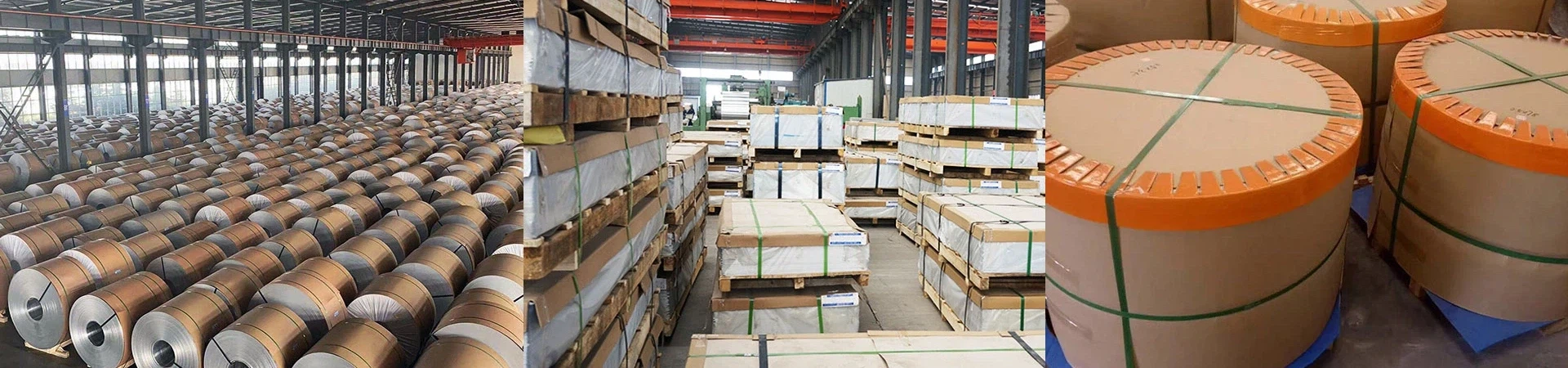
Packaging & Delivery
Aluminum plates are valuable commodities, and ocean freight can be rough. GNEE ensures zero damage during transit through professional, heavy-duty export packaging:
- Seaworthy wooden pallets: Fumigated and structurally reinforced to handle heavy metric tonnage.
- Waterproof film + kraft paper: Each plate is isolated and completely wrapped to block salty ocean air and prevent transit oxidation.
- Edge protection: Hardened guards protect the edges from lifting slings and forklift operations.
- Customized export packaging: We can adapt our packing to your specific unloading requirements or warehouse management systems.

Conclusion
Understanding the difference between ASTM B209 and ASTM B928 is critical when sourcing 5083-H321 aluminum plates. While B209 is perfect for general industry, B928 is the undisputed standard for ocean-going vessels and offshore structures due to its guaranteed resistance to saltwater corrosion.
Ready to secure high-quality marine aluminum for your next project? Send us your specification list, drawing details, or BOM today. Our sales engineers will review your needs and reply with a comprehensive, competitive proposal within 24 hours.


