

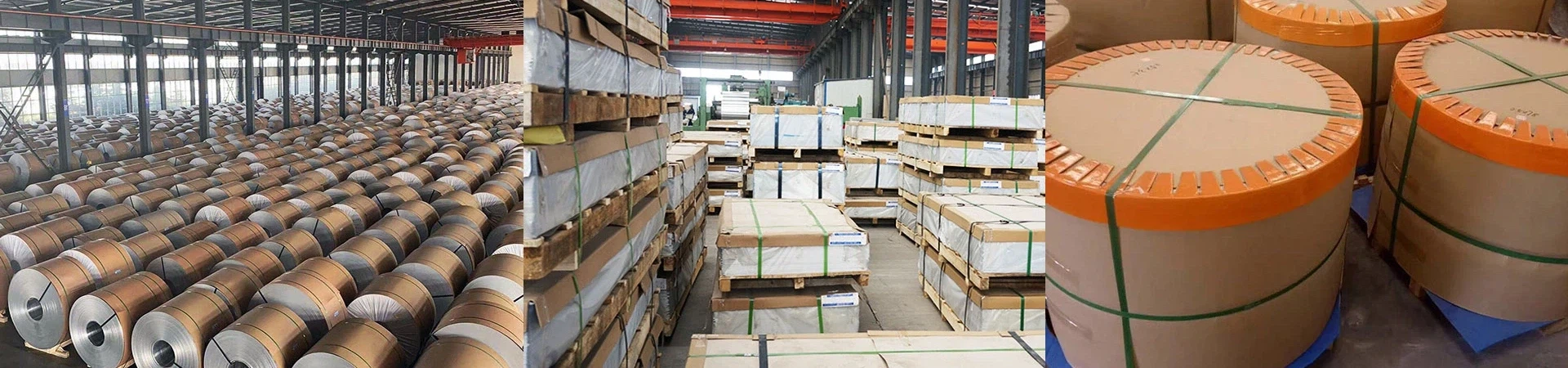

ASTM B928 5083-H321 aluminum plate is a premium marine-grade alloy specifically produced for shipbuilding and offshore structural applications. Under the ASTM B928 specification, the material must meet strict mandatory requirements for marine environments, specifically regarding its mechanical properties and resistance to exfoliation corrosion.
The H321 temper indicates a condition where the aluminum has been strain-hardened and then thermally stabilized, ensuring long-term structural reliability and preventing brittleness in harsh, salty seawater environments.
ASTM B928, 5083, and H321
When sourcing marine aluminum, procurement managers and marine engineers must understand exactly what this specification entails to avoid critical structural failures at sea.
- ASTM B928: This is the specific American Society for Testing and Materials (ASTM) standard that covers high-magnesium aluminum-alloy sheet and plate intended strictly for marine service. Compared with general industrial standards like ASTM B209, B928 requires mandatory additional testing to prove the metal will not degrade under continuous salt spray.
- 5083 Alloy: Belonging to the 5xxx series, this alloy uses magnesium as its primary alloying element. It offers the highest strength of all non-heat-treatable aluminum alloys while maintaining exceptional weldability.
- H321 Temper: "H" stands for strain-hardened (cold worked). The "3" means it was strain-hardened and then stabilized through a low-temperature thermal treatment. The "21" denotes the specific degree of hardness. This stabilization process is crucial because it stops the magnesium content from precipitating at the grain boundaries, thereby preventing intergranular corrosion.

Chemical Composition of ASTM B928 5083 Aluminum
The performance of an ASTM B928 plate relies entirely on its pure and strictly controlled chemical composition. The high magnesium content is what gives the plate its strength and resistance to marine environments.
| Element | Content (%) | Engineering Function |
| Magnesium (Mg) | 4.0 – 4.9 | Provides core tensile strength and superior seawater resistance. |
| Manganese (Mn) | 0.4 – 1.0 | Increases strength and refines the internal grain structure. |
| Chromium (Cr) | 0.05 – 0.25 | Acts as an inhibitor against stress corrosion cracking. |
| Silicon + Iron (Si + Fe) | ≤ 0.4 | Kept strictly low to prevent brittleness during welding processes. |
| Zinc (Zn) | ≤ 0.25 | Limited to protect the alloy's anti-corrosion properties. |
| Titanium (Ti) | ≤ 0.15 | Added as a grain refiner during the casting phase. |
| Aluminum (Al) | Remainder | The base matrix. |
Mechanical Properties of 5083-H321 Plate
Structural integrity is the primary concern for naval architects. 5083-H321 provides a phenomenal strength-to-weight ratio, allowing shipbuilders to construct lighter, faster vessels without compromising safety.
| Property | Typical Value |
| Tensile Strength (Ultimate) | ≈ 315 MPa (46,000 psi) |
| Yield Strength | ≈ 215 MPa (31,000 psi) |
| Elongation (in 50mm) | ≥ 10–14% (depending on thickness) |
| Hardness (Brinell) | ≈ 75 HB |
| Modulus of Elasticity | 71 GPa |
Working on a new vessel design? Contact our engineering sales team with your required dimensions, and we will provide a rapid material availability check and technical assessment.
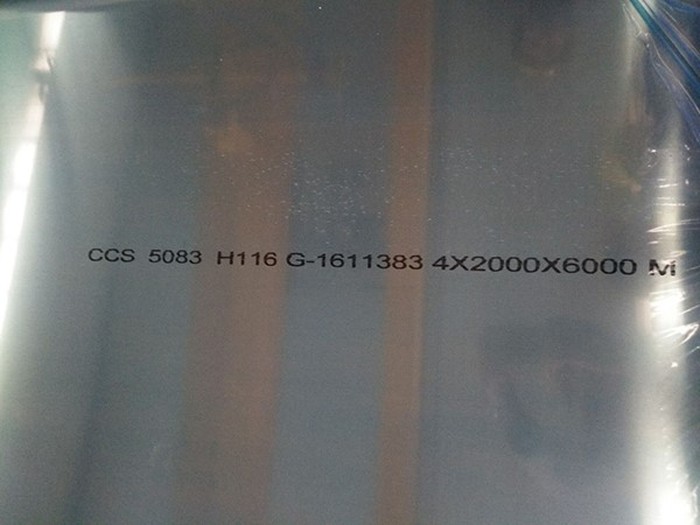
Key Requirements of ASTM B928 vs B209
Many general suppliers try to sell ASTM B209 5083 plates for marine use to cut costs. This is a severe safety risk. ASTM B928 is the mandatory standard for ocean-going vessels because of its uncompromising quality control. The key differences include:
- Mandatory exfoliation corrosion testing: B928 plates must pass the ASSET test (ASTM G66). This ensures the material will not flake or peel away layer by layer when exposed to a marine environment over years of service. B209 does not require this.
- Strict control of mechanical properties: B928 dictates tighter controls on the manufacturing process to ensure consistent yield strength across massive plates.
- Intergranular corrosion resistance: B928 requires the mass loss in the ASTM G67 test to remain within strictly defined safety limits.
- Certification for marine classification societies: B928 is the recognized baseline for plates requiring stamps from ABS, DNV, or LR.
Summary: This makes ASTM B928 plates significantly more reliable for long-term marine exposure, ensuring the safety of the crew and the longevity of the vessel's hull.
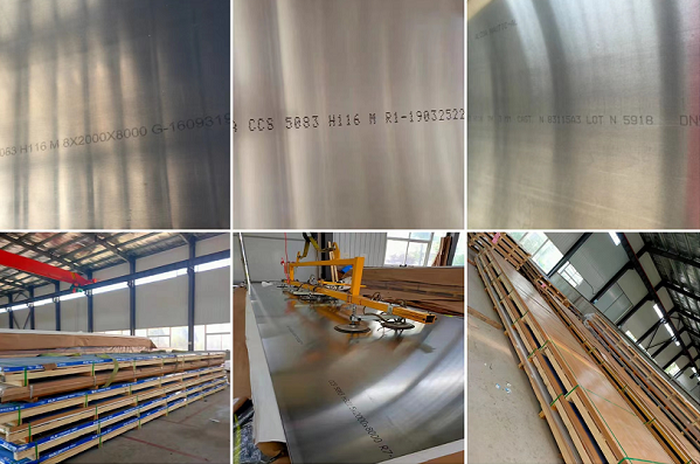
Difference Between H116 and H321 Temper
Procurement teams frequently ask whether they should buy H116 or H321. Both are standard marine tempers for 5083 aluminum, but they are processed slightly differently.
| Temper | Processing Method | Features |
| H116 | Strain-hardened specifically to meet specific exfoliation limits. | Exceptional continuous corrosion resistance; highly evaluated for its anti-exfoliation properties. |
| H321 | Strain-hardened and then thermally stabilized. | Locks the grain structure in place; improved structural reliability and prevention of age-softening. |
Summary: H321 offers better long-term mechanical stability, while H116 provides highly specified corrosion resistance in extreme environments. However, in modern metallurgical practices, premium mills often dual-certify these plates as "5083 H116/H321" because their advanced manufacturing processes allow the metal to pass the strict requirements for both tempers simultaneously.
Applications of ASTM B928 5083-H321 aluminum Plate
Due to its rugged durability, this material is rarely used for decorative purposes. It is an industrial, heavy-duty marine alloy utilized in:
- Ship Hull Structures: Main framing, bottom plating, and side plating for ferries, patrol boats, commercial catamarans, and luxury megayachts.
- Offshore Platforms: Structural components for oil rigs and offshore wind farm service vessels (SOVs) exposed to aggressive salt spray and wave impacts.
- LNG Storage Tanks: 5083-H321 does not become brittle at cryogenic temperatures (-196°C), making it the standard material for liquefied natural gas containment.
- Marine Decks and Bulkheads: Providing high structural strength while significantly lowering the center of gravity of the ship compared to steel.
- Pressure Vessels: Used in coastal chemical processing facilities where standard metals would rapidly corrode.
GNEE Supply Capability for ASTM B928 5083-H321 Aluminum Plate
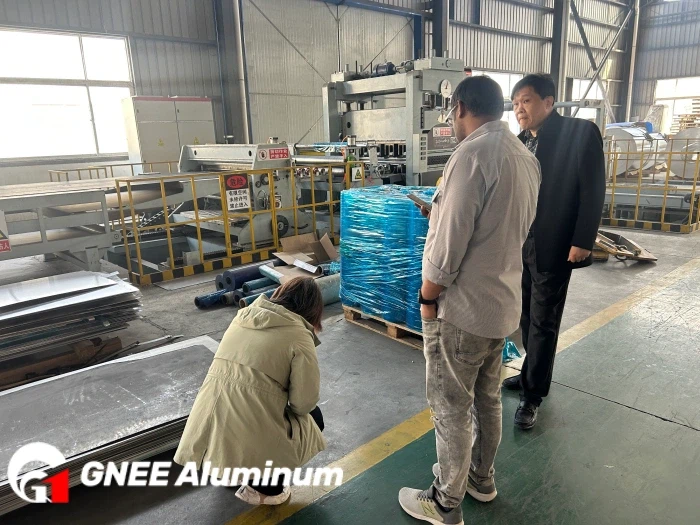
Sourcing marine aluminum requires a supplier that understands the critical nature of compliance and certification. As a professional manufacturer, GNEE, a Chinese supplier, provides certified marine-grade aluminum plates in strict compliance with ASTM B928.
✔ Multi-Alloy & Flexible Ordering Options
- Available alloys: Beyond 5083, we produce 5086, 5052, and 6061 marine grades.
- Temper options: H116, H321, H111, and O temper available.
- Custom dimensions: We supply custom widths (up to 2600mm) and custom lengths to minimize your scrap rate during fabrication. Thicknesses range from 3mm up to heavy 50mm+ plates.
- Support for small and bulk orders: We supply prototype builds as well as massive shipyard contracts.
- Supply Chain Advantage: We support multi-grade, multi-dimension, and multi-specification orders in one shipment, helping customers reduce procurement costs, eliminate minimum order quantity (MOQ) hurdles, and simplify logistics complexity.
✔ Advanced Production Equipment
- Hot rolling production lines: Ensuring a dense, defect-free internal structure.
- Precision leveling equipment: Delivering excellent flatness, which is critical for automated shipyard welding machines.
- Heat treatment and stabilization systems: Strictly controlling the H321 tempering process.
- Ultrasonic testing (UT): All heavy marine plates undergo UT testing to ensure zero internal voids or delamination.
✔ Strong Production Capacity
- Monthly capacity: 5,000+ tons of marine aluminum.
- Fast delivery: Standard production lead times are 7–25 days.
- Stable supply: We act as a reliable backbone for large-scale, multi-year marine projects worldwide.
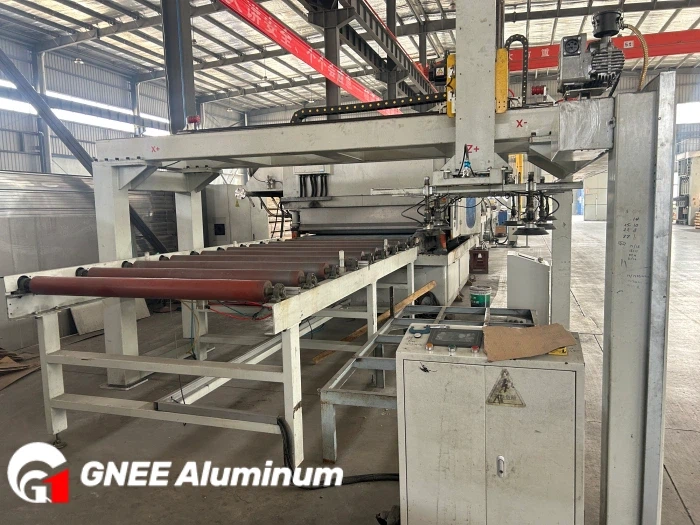
Consolidate your procurement today. Request a quote to see how our multi-specification container loading can save your shipyard time and shipping costs
Packaging of GNEE Aluminum Plates
Heavy marine plates can be easily scratched, dented, or oxidized during weeks of ocean freight. To ensure flawless delivery upon arrival at your shipyard, GNEE adopts strict export-standard packaging protocols:
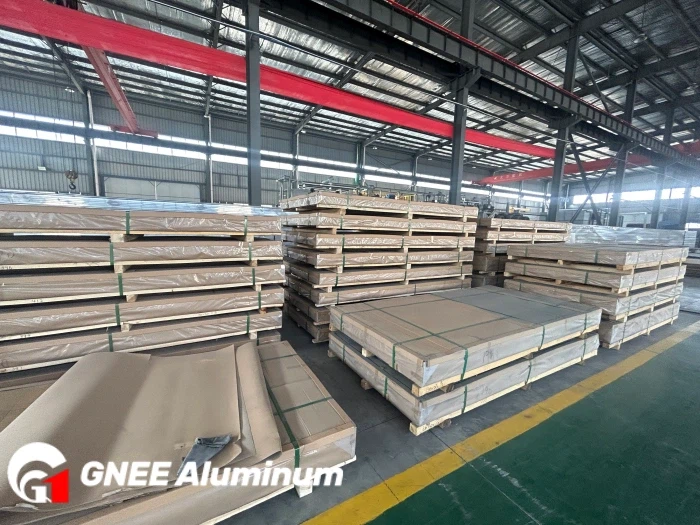
- Export-standard seaworthy wooden pallets: Fumigated and built heavily to support massive plate weights without collapsing.
- Waterproof plastic film + kraft paper: Each plate is isolated to prevent friction and wrapped entirely in moisture-barrier materials to prevent oxidation from sea air during transit.
- Edge protection to prevent damage: Hardened steel or thick plastic guards are applied to the edges to prevent wire rope or forklift damage.
- Customized packaging solutions: Desiccants, steel banding, and specific barcoding/labeling can be applied based on your warehouse management system.
Conclusion
If you are sourcing ASTM B928 5083-H321 aluminum plates for marine applications, choosing a supplier with flexible production capability, rigorous metallurgical testing, and strict quality control is absolutely essential for the safety of your project. GNEE offers customized aluminum solutions with reliable delivery, deep industry expertise, and full classification society certification support.
Ready to streamline your marine aluminum supply? Send us your detailed BOM, thickness requirements, or drawing specifications today, and our technical sales team will provide a comprehensive quotation within 24 hours.


