

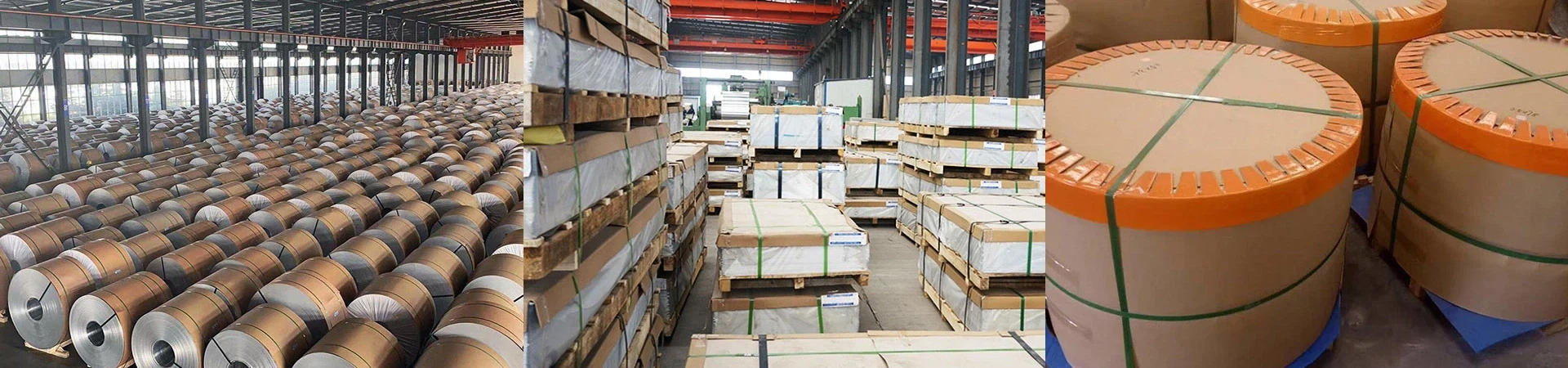

What Is Marine Aluminum Plate?
A marine aluminum plate is a special grade of aluminum alloy sheet designed specifically for shipbuilding and offshore structures. Unlike standard industrial aluminum, a marine-grade aluminum plate must offer superior resistance to seawater corrosion, excellent welding performance, and long-term structural stability in harsh ocean environments.
Because aluminum is lightweight and highly durable, using it in boat building significantly reduces the vessel's weight, increases speed, and saves fuel. You will typically see these plates used in hull bottoms, side panels, ship decks, walkways, engine beds, and superstructures for yachts, ferries, and fishing boats.


Are you looking for certified marine aluminum plates for your shipyard? Contact GNEE today for a fast quote. We supply directly to global shipbuilders with full certifications.
Marine Certifications
When buying aluminum for boat building, trust and safety are the most important factors. You cannot use standard industrial plates for a commercial or military vessel.
GNEE Aluminum supplies materials that are strictly tested and certified by major international classification societies. Depending on your project requirements, we can provide certificates from:
- CCS (China Classification Society)
- ABS (American Bureau of Shipping)
- BV (Bureau Veritas)
- LR (Lloyd's Register)
These certifications guarantee that our materials meet global shipbuilding standards for offshore, military, and commercial vessels.
Chemical Composition of standard marine aluminum plate
| Alloy | Si | Fe | Cu | Mn | Mg | Cr | Zn | Al (Balance) |
| 5052 | ≤0.25 | ≤0.40 | ≤0.10 | ≤0.10 | 2.2–2.8 | 0.15–0.35 | ≤0.10 | Balance |
| 5754 | ≤0.40 | ≤0.40 | ≤0.10 | ≤0.50 | 2.6–3.6 | ≤0.30 | ≤0.20 | Balance |
| 5083 | ≤0.40 | ≤0.40 | ≤0.10 | 0.40–1.0 | 4.0–4.9 | 0.05–0.25 | ≤0.25 | Balance |
| 5086 | ≤0.40 | ≤0.50 | ≤0.10 | 0.20–0.7 | 3.5–4.5 | ≤0.25 | ≤0.25 | Balance |
| 5456 | ≤0.25 | ≤0.40 | ≤0.10 | 0.50–1.0 | 4.7–5.5 | 0.05–0.20 | ≤0.25 | Balance |
Note: The higher the Magnesium (Mg) content, the stronger the alloy, but it requires stricter rolling and tempering controls to prevent cracking.
Mechanical Properties
Shipbuilders need to know the exact strength limits of the metal before designing a hull. We pr
ovide special marine tempers, primarily H116 and H321, which are engineered to lock in the metal's structure and prevent corrosion from spreading along the grain boundaries.
| Alloy | Temper | Tensile Strength (MPa) | Yield Strength (MPa) | Elongation (%) | Corrosion Resistance |
| 5052 | H32 | 210–260 | 130–200 | 7–15 | Very Good |
| 5754 | H22 | 190–240 | 110–180 | 10–18 | Very Good |
| 5083 | H116 | 275–350 | 125–275 | 10–16 | Excellent (Seawater) |
| 5086 | H116 | 270–340 | 120–260 | 10–17 | Excellent |
| 5456 | H116 | 300–380 | 150–300 | 10–15 | Excellent + High Strength |
Need technical advice on which alloy and temper combination works best for your vessel's draft and hull design? Email the GNEE engineering team with your project details for professional recommendations.
How to Choose by Ship Type
Different waters and different boats require specific material choices to balance safety and budget. Here is our practical application guide based on years of supplying shipyards.
1. Seawater Environment
Typical Uses: Offshore fishing boats, luxury yachts, offshore platforms, and ocean ferries.
Recommended Hull Material: 5083-H116 or 5086-H116.
Recommended Upper Deck: 5754 or 6061 (for structural frames).
Why? A 5083 marine aluminum plate offers the highest resistance to pitting and exfoliation corrosion caused by continuous saltwater exposure. It also maintains its strength perfectly after welding, making the hull completely safe against wave impacts.

2. Freshwater Environment
Typical Uses: Inland fishing boats, lake pontoon boats, river ferries, and leisure crafts.
Recommended Material: 5052 or 5754.
Why? Freshwater lakes and rivers do not have the harsh salt content of the ocean. 5052 is easier to bend, highly cost-effective, and provides more than enough rust protection and strength for these waters. You only need 5083 for critical structural joints if the boat is large.

3. High-Speed and Patrol Boats
Typical Uses: Coast guard patrol boats, high-speed ferries, and military craft.
Recommended Material: 5456-H116.
Why? High-speed boats face severe "slamming loads" (the heavy impact of hitting waves at high speeds). 5456 provides higher tensile and yield strength than 5083, allowing the hull to take heavy beatings without deforming, while keeping the boat light enough for high-speed engines.

Standard Sizes and Specifications
| Specification | Available Range |
| Thickness | 1.5 mm – 200 mm |
| Width | 1000 mm – 2650 mm (Extra-wide available) |
| Length | 2000 mm – 12000 mm |
| Tempers | O, H111, H112, H116, H321 |
| Surface | Clean Mill Finish (No oil, no scratches) / Anti-corrosion treated |
GNEE supplies extra-wide marine plates up to 2650mm. Send us your cutting plan or exact size list to get a customized production schedule.
Production Process
- Melting and Casting: We melt high-purity aluminum ingots and add exact amounts of Magnesium and Manganese.
- Hot Rolling: The thick slab is heated and pressed into a strong, dense plate.
- Cold Rolling: For thinner plates, we cold roll them to hit the precise thickness.
- Marine Tempering (Crucial Step): We use specific heat treatments to achieve H116 or H321 tempers. This stabilizes the internal grain structure so the metal will not peel or flake in seawater.
- Ultrasonic Testing (UT): We scan the thick plates with ultrasound to ensure there are no hidden air bubbles or cracks inside.
- Tension Leveling: We stretch the plates so they are perfectly flat. Flat plates are essential for smooth shipyard welding.
- Cutting and Packing: Cut to your exact length and packed safely for sea transport.


Quality Control and Testing
GNEE Aluminum follows strict international marine testing standards, including ASTM B928 and EN 485 Marine Grade. Before any certified plate leaves our facility, it must pass:
- UT Ultrasonic Flaw Detection: Checking for internal defects.
- Salt Spray Testing: Tested for ≥1000 hours to prove seawater resistance.
- Mechanical Testing: Verifying tensile and yield strength in our lab.
- IGC (Intergranular Corrosion) Test: Ensuring rust will not travel deep inside the metal grains.
- EXCO (Exfoliation Corrosion) Test: Proving the surface will not peel off in layers under harsh ocean conditions.
- 100% Dimension Check: Making sure thickness and flatness meet shipyard demands.
Tolerance Standards
When building a ship, precision matters. Bad thickness tolerances add unnecessary weight to the boat, slowing it down. Bad flatness makes automatic welding machines fail. We control tolerances to Grade A shipbuilding standards:
| Check Item | Tolerance Range |
| Thickness | ±0.1 mm to ±0.3 mm (Depending on total thickness) |
| Width | ±2.0 mm to ±3.0 mm |
| Flatness | ≤ 4 mm per meter |
| Surface Quality | Marine Grade A (No cracks, no oil, no pressure marks) |
We guarantee strict thickness tolerances to keep your total vessel weight under control. Contact GNEE to request our detailed quality inspection reports and MTC samples.
Packaging and Shipping
- Protection: Each plate is separated or covered with moisture-proof PE film and kraft paper.
- Structure: Secured on strong wooden pallets or steel frames.
- Securing: Heavy-duty steel straps prevent any movement inside the container.
- Options: Export-standard fumigated wooden boxes are available upon request.
- Shipping: We load in 20GP or 40HQ containers and ship directly to global ports near your shipyard.
- Delivery Time: 15–25 days for standard orders. 25–35 days for batches requiring fresh Classification Society (CCS/ABS) inspections.


How Pricing Works
Price = SMM (Aluminum Ingot Base Price) + Marine Processing Fee + Certification Cost + Alloy Premium
- SMM Base Price: The daily raw aluminum price on the market.
- Processing Fee: Achieving H116/H321 tempers requires more time and energy than standard tempers, which slightly increases the rolling fee.
- Certification Cost: Having ABS or BV surveyors physically inspect and stamp the plates adds a fixed testing and certificate fee to the batch.
- Alloy Premium: A 5083 plate costs more than a 5052 plate because of the higher magnesium content and harder rolling process.
Why Choose GNEE?
- Full Certifications: We provide CCS, ABS, BV, and LR certificates.
- Customization: We support standard ship plates, extra-wide plates (up to 2650mm), and small trial orders for new boat designs.
- Global Experience: We regularly export to Southeast Asia, the Middle East, Europe, and the Americas, directly supplying shipyard manufacturing lines.
- Reliable Documentation: Every shipment comes with a complete Material Test Certificate (MTC). We also welcome third-party inspections (like SGS).


Send your inquiry and material list to GNEE today, and our sales team will provide a comprehensive quote within 24 hours.


