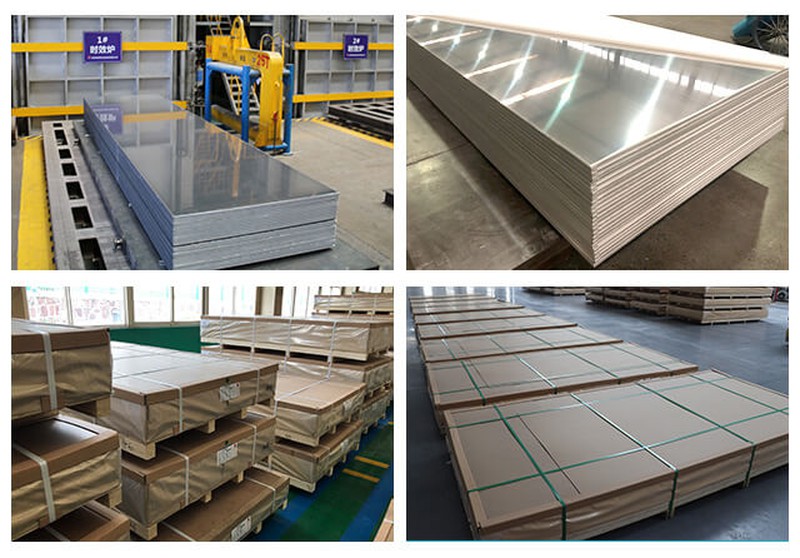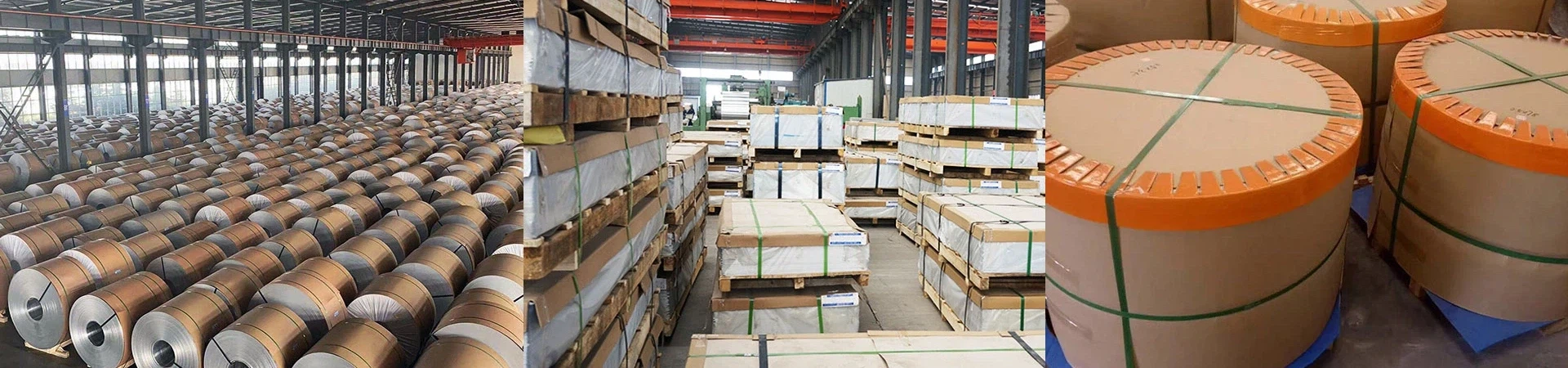
ASTM B209 aluminum plate is the globally recognized standard specification for aluminum and aluminum-alloy sheet and plate used in industrial, structural, and commercial applications.
When you purchase an aluminum product certified under ASTM B209 (or its ASME equivalent, ASME SB209), the standard strictly defines and guarantees:
- Chemical Composition: The exact percentage limits of elements like Magnesium, Silicon, Copper, and Zinc.
- Mechanical Properties: The minimum requirements for tensile strength, yield strength, and elongation.
- Dimensions and Tolerances: Acceptable variations in thickness, width, length, and flatness.
- Product Forms: Specifications for flat sheet, thick plate, and coiled aluminum.
In short, this standard ensures consistent material quality, structural safety, and reliable performance for aluminum products used in critical engineering projects worldwide.
What Does ASTM B209 Cover? Forms and Alloys
ASTM B209 is a comprehensive document. It does not just cover one type of aluminum; it governs various forms and a wide range of alloy families.
Product Forms Covered:
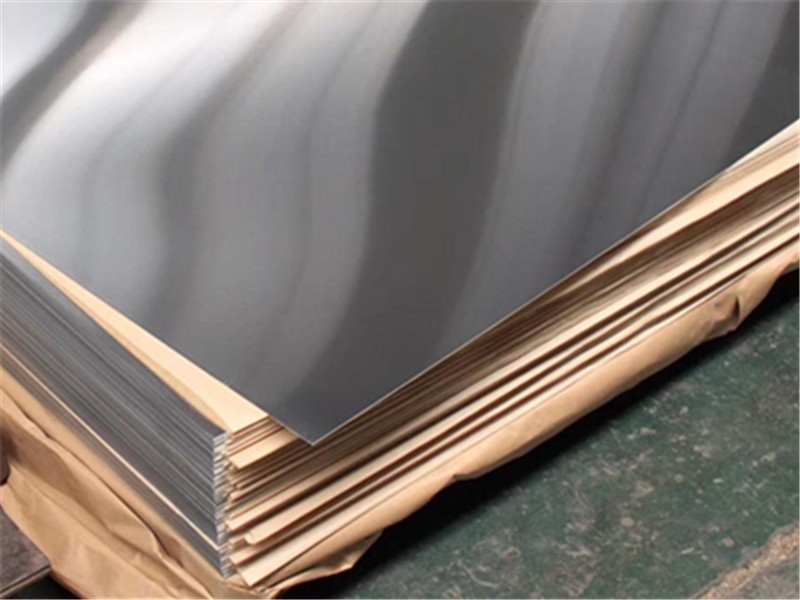
- Aluminum Sheet: Flat-rolled aluminum with a thickness between 0.15 mm (0.006 in.) and 6.3 mm (0.249 in.).
- Aluminum Plate: Flat-rolled aluminum with a thickness of 6.3 mm (0.250 in.) or greater. Plate is primarily used for structural components.
- Aluminum Coil and Strip: Rolled aluminum supplied in continuous coils for automated stamping and forming lines.
Alloy Series Covered:
The standard dictates the chemical limits and testing procedures for multiple aluminum series, including:
- 1xxx Series: Commercially pure aluminum (e.g., 1050, 1060). High conductivity, excellent corrosion resistance, but low strength.
- 3xxx Series: Manganese-alloyed (e.g., 3003, 3004). Good formability and corrosion resistance.
- 5xxx Series: Magnesium-alloyed (e.g., 5052, 5083). Exceptional marine-grade corrosion resistance and good weldability.
- 6xxx Series: Magnesium and Silicon-alloyed (e.g., 6061, 6083). Heat-treatable structural alloys offering a great balance of strength, machinability, and weldability.
Common Alloys Under ASTM B209: Which One Should You Buy?
As an ASTM B209 aluminum sheet supplier, we frequently guide procurement managers in selecting the right alloy for their projects. Here are the three most requested heavy-duty alloys.
-
ASTM B209 6083 Aluminum Plate (Structural Use)
6083 aluminum is engineered for high-strength structural applications. It has a higher yield strength than standard 6061 due to slightly higher manganese and silicon content. If your project involves heavy load-bearing frames, truck chassis, or thick industrial molds, 6083-T6 or T651 is the optimal choice under the B209 standard.
View specifications and get a quote for 6083-aluminium-plate.
-
ASTM B209 5083 Aluminum Plate (Marine Grade)
5083 aluminum is the undisputed king of marine environments. Because it is non-heat-treatable, it relies on its high magnesium content for strength and extreme resistance to saltwater corrosion. Under ASTM B209, 5083 in tempers like H116 or H321 is the standard requirement for shipbuilding, offshore oil rigs, and pressure vessels.
Check certifications and pricing for 5083-aluminium-plate.
-
ASTM B209 6061 Aluminum Plate (General Purpose)
6061 is the most widely used and versatile aluminum alloy in the world. Governed strictly by ASTM B209, 6061-T6 aluminum plate offers medium-to-high strength, excellent CNC machinability, and reliable weldability. It is the default choice for general industrial components, precision machined parts, and automated assembly line bases.
See our supply range for 6061-aluminium-plate.
Do you have an upcoming project but aren't sure which ASTM B209 alloy is the most cost-effective? Send us your drawing, load requirements, or operating environment. Our material engineers will reply within 24 hours with a targeted recommendation and a competitive price list.
ASTM B209 Specification Overview
When you source wholesale aluminum plate, comparing factory capabilities against the standard is crucial. Here is the general specification framework we adhere to.
| Specification Item | Description & Factory Capability |
| Standard | ASTM B209 / ASME SB209 |
| Product Forms | Sheet, Plate, Coil, Strip, Tread Plate |
| Thickness Range | Typically 0.2 mm to 300 mm (Custom casting for ultra-thick blocks up to 500mm available) |
| Width Range | 500 mm up to 3000 mm |
| Length Range | 500 mm up to 10000 mm |
| Alloys Covered | 1000, 3000, 5000, 6000, 7000 Series |
| Temper Types | O (Annealed), H (Strain Hardened), T (Heat Treated like T4, T6, T651) |
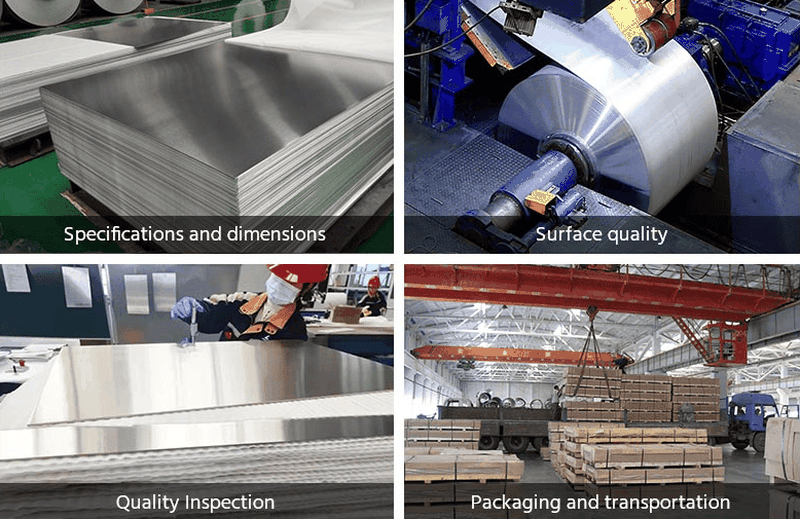
| Quality Inspection | Direct reading spectrometer (Chemical) + Universal Testing Machine (Mechanical) + UT Testing (Internal flaws) |
Why Strict Adherence to ASTM B209 is Important
A Real-World Supply Chain Case Study:
Two years ago, a heavy machinery manufacturer in the Middle East contacted us. They were experiencing a 15% failure rate during the welding phase of their crane booms. The previous supplier had sold them "6061-T6 aluminum plates" at an incredibly low price.
When we analyzed a sample of their failed material in our laboratory, we found the root cause. The material was not ASTM B209 compliant. The Magnesium content was on the absolute lowest edge of the acceptable limit, and the Iron impurities were far above the 0.7% maximum allowed by the standard. Furthermore, the yield strength was highly inconsistent across the plate, indicating poor heat treatment. When the client welded the plates, the impure, improperly aged aluminum cracked down the heat-affected zone (HAZ).
The Solution:
They switched their procurement to our factory. We supplied strict ASTM B209 6083 and 6061 aluminum plates. How do we prove it?
- Chemical Control: We test the molten metal with a direct-reading spectrometer before casting the ingot to ensure the chemical limits are strictly within the B209 tables.
- Mechanical Verification: Every batch undergoes tensile testing to guarantee the yield strength and elongation meet the T6 or T651 requirements.
- MTC Issuance: We issue an EN 10204 3.1 Mill Test Certificate containing the exact heat number, chemical makeup, and mechanical test results for that specific order.
The Result: The client's weld failure rate dropped to zero. For procurement managers, buying strict ASTM B209 material is not just about a piece of paper; it reduces the catastrophic risk of structural failure and saves money on scrapped parts. It guarantees:
- Consistent product quality across multiple batches.
- Standardized mechanical properties for safe engineering calculations.
- Unquestioned acceptance in international projects and tenders.
ASTM B209 vs. Other International Standards
While ASTM B209 is the dominant standard in the Americas and global export trade, you may encounter other regional standards. They cover similar alloys but have slight variations in testing protocols or tolerance limits.
| Standard | Region of Origin | Typical Usage Focus |
| ASTM B209 | USA / Global | General industrial, commercial, and structural export trade. |
| EN 485 / EN 573 | Europe | Highly specified for structural applications and CE marking in the EU. |
| JIS H4000 | Japan | Often specifies very tight thickness tolerances for precision manufacturing and automotive. |
| GB/T 3880 | China | Domestic Chinese standard, largely harmonized with ASTM and EN requirements. |
Note: As an international supplier, GNEE can produce aluminum plates that dual-certify or cross-reference ASTM, EN, and JIS standards based on your project's tender requirements.
Core Applications of ASTM B209 Aluminum Plate
Because the standard covers such a wide variety of alloys, ASTM B209 aluminum is the backbone of modern industry. Key applications include:
- Structural Engineering: Heavy-duty support beams, building frameworks, and walking platforms (using 6083 and 6061 alloys).
- Shipbuilding and Marine Applications: Boat hulls, ship superstructures, offshore platforms, and LNG storage tanks (using 5083 alloy).
- Transportation Equipment: Dump truck beds, railway car panels, and lightweight trailer chassis to improve fuel efficiency and payload.
- Industrial Machinery: Thick aluminum blocks are CNC machined to create stable base plates, jigs, fixtures, and plastic injection molds.
- Construction Projects: Architectural facades, roofing, and structural curtain walls.
Are you quoting a large industrial project or tender? We provide factory-direct pricing for wholesale ASTM B209 aluminum plates. We support custom CNC cutting, water jetting for thick blocks, and mixed-alloy container loading. Send your Bill of Materials (BOM) today for an itemized quote and lead time.
Common Buyer Questions (FAQ)
Q: What is the exact difference between sheet and plate in ASTM B209?
A: According to the standard, the difference is purely based on thickness. An aluminum "sheet" is under 6.3 mm (0.250 inches) thick and is typically used for panels and lighter fabrication. An aluminum "plate" is 6.3 mm (0.250 inches) or thicker, and is used for load-bearing structural applications and heavy machining.
Q: Is ASTM B209 used and accepted worldwide?
A: Yes. Although it originated in the United States (American Society for Testing and Materials), it is one of the most widely recognized and accepted metallurgical standards in global trade. Most international engineering projects, from the Middle East to Southeast Asia, specify ASTM B209 for aluminum procurement.
Q: Which alloys are most commonly ordered under the ASTM B209 standard?
A: For heavy industry, the 5000 and 6000 series are the most common. Specifically, 6083 and 6061 are ordered heavily for structural support and CNC machining, while 5083 is the standard choice for any application involving seawater or harsh chemical environments.
Q: Do you provide certification that the material meets ASTM B209?
A: Yes. Every shipment of wholesale aluminum plate from our factory includes a Mill Test Certificate (MTC EN 10204 3.1). This document provides the trace heat number and confirms that both the chemical composition and mechanical properties were tested and meet the exact specifications of ASTM B209.