


Understanding 6083 Aluminum Machinability
If you are asking, "Is 6083 aluminum easy to machine?" the answer is 6083 aluminum has moderate machinability. It is not as effortless to cut as the industry-standard 6061 aluminum, but it can be machined efficiently if you use the correct tools and parameters.
Compared to 6061, 6083 is harder and stronger. This means it offers higher mechanical resistance during cutting, which affects tool life and chip formation. However, for structural parts that require more strength than 6061 can provide, 6083 is the logical choice despite the slightly higher machining difficulty.
6083 vs 6061 for Machining Projects
| Property | 6083 Aluminum Plate | 6061 Aluminum Plate |
| Machinability Rating | Moderate (approx. 50-60%) | Excellent (approx. 80%) |
| Strength (T6) | Higher (290-320 MPa) | Medium (240-290 MPa) |
| Hardness (HB) | Higher (85-95) | Medium (80-90) |
| Chip Formation | Can be stringy; needs chip breakers | Short, clean chips |
| Tool Wear | Moderate to High | Low |
| Best Use | High-strength structural parts | General CNC machining |
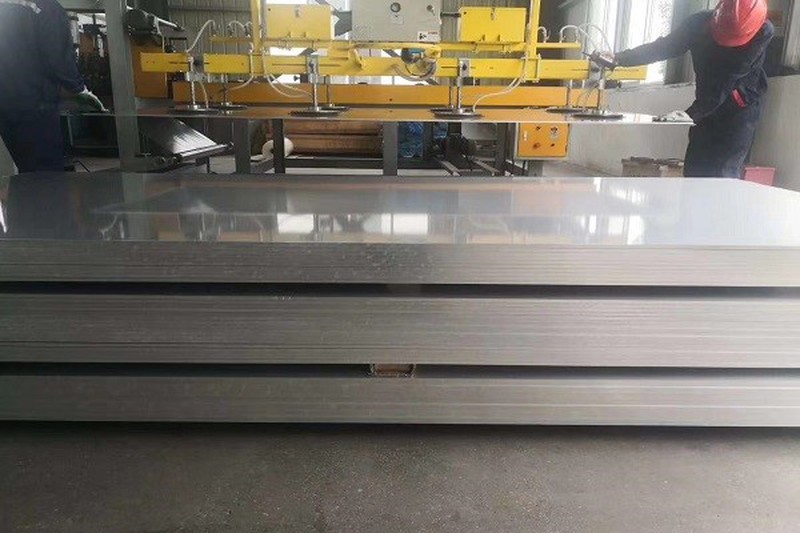
Why 6083 Aluminum is Harder to Machine than 6061
To successfully buy 6083 aluminum plate for a machining project, you must understand the metallurgical reasons behind its behavior. The "difficulty" in machining 6083 stems from its composition, specifically its higher Manganese (Mn) and Silicon (Si) content.
- Increased Cutting Resistance: Because 6083 T6 has a higher yield strength, the CNC machine requires more force to shear the metal. This generates more heat at the tool tip.
- Tool Wear: The higher hardness of 6083 (85-95 Brinell) acts more abrasively on cutting edges compared to 6061. If you use standard HSS (High-Speed Steel) tools, you will notice faster dulling.
- Chip Management: 6083 can sometimes produce longer, stringier chips than 6061. If the chips don't break properly, they can wrap around the spindle or scratch the surface finish of the workpiece.
Ready to source? Get a direct quote for 6083-aluminium-plate today.
6083 Aluminum Detailed Machinability Analysis
In our experience as a 6083 aluminum sheet supplier, we often see machine shops struggle with warping when machining thick plates. This is where the difference between a standard plate and a "Machining Grade" plate becomes clear.
The Importance of T651 Stress Relief
If you are machining a complex part out of a 50mm thick block of 6083, internal residual stresses from the rolling process can cause the part to bow or twist as you remove material.
Our Solution: We recommend 6083 T651. The "51" indicates that the plate has been mechanically stretched after heat treatment. This stretching process "relaxes" the internal grain structure. When you perform heavy milling on 6083 T651, the material remains stable and flat, ensuring your tolerances are met without extra grinding steps.
Recommended Machining Parameters for 6083 Aluminum
- Tooling: Use Carbide tools with a high-polish finish to prevent "built-up edge" (BUE). Polished flutes help the chips slide off the tool faster.
- Cutting Speed (SFM): You can generally run 6083 at high speeds, but you should reduce the feed rate by 10-15% compared to what you would use for 6061.
- Coolant: Flood coolant is essential. It not only reduces heat but also helps flush away the Manganese-rich chips that can be abrasive if recut.
Choosing between 6083 and 6061 for Hydraulic Components
Last year, a client from a hydraulic equipment company approached us. They were designing a new high-pressure valve block.
- Initial Thought: They wanted to use 6061-T6 because their CNC shop preferred its ease of machining and lower tool costs.
- The Problem: During pressure testing, the 6061 block showed slight deformation near the thread ports under peak loads.
- The Switch: We suggested moving to 6083 T651 aluminum plate.
- The Result: Although the machining time increased by roughly 12% due to slower feed rates and more frequent tool checks, the higher yield strength of the 6083 alloy easily handled the hydraulic pressure without deformation. By using the T651 stress-relieved plates we provided, they maintained a port-to-port tolerance of ±0.02mm across a 300mm block.
The Lesson: Only choose 6061 if the strength requirements are low. If the part is structural or pressurized, the slightly "harder" machining of 6083 is a necessary trade-off for safety and performance.
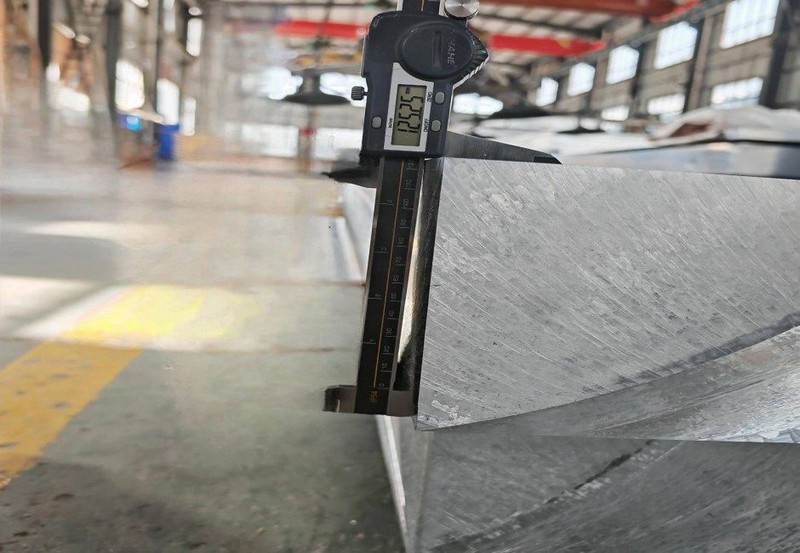
6083 vs 6061 for Machining: When to Choose Which?
Choose 6083 Aluminum When:
You need higher mechanical strength for load-bearing.
The part is subject to high pressure (hydraulic or pneumatic).
You are building heavy-duty structural frames that require CNC finishing.
Choose 6061-aluminium-plate When:
The primary goal is low-cost, high-speed CNC production.
The parts have very complex, intricate shapes where chip clearing is difficult.
A high-quality aesthetic surface finish is required with minimal effort.
Not sure which alloy fits your machining project? Our technical team can analyze your drawings and load requirements. Send us your specs for a quick material recommendation and a competitive quote within 24 hours.
Submit Your Request for Quotation (RFQ) Today
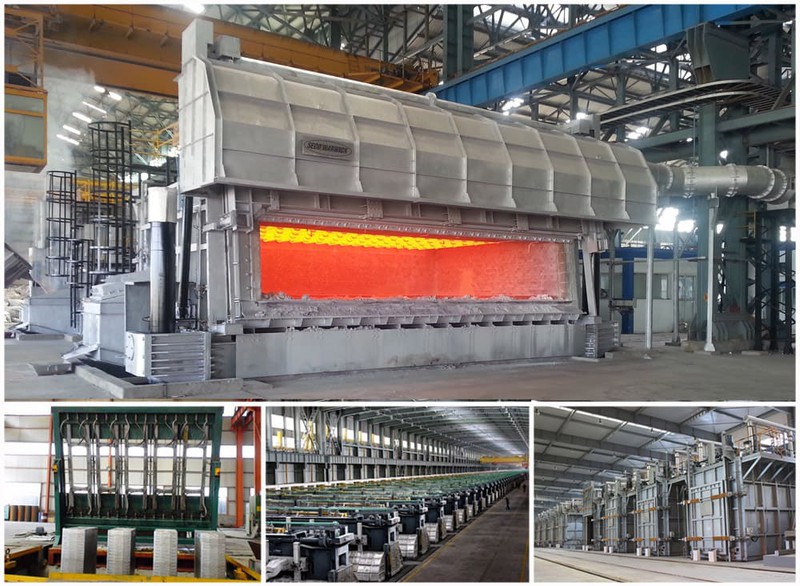
Supply Capability and Processing Services for Machine Shops
As a direct wholesale 6083 aluminum supplier, GNEE provides more than just raw material. We provide "ready-to-machine" solutions:
- Precision Sizing: We use high-precision CNC saws to provide 6083 blanks cut to size. This means your CNC machines spend less time "squaring up" the block and more time on the actual part geometry.
- Ultra-Thick Blocks: We supply 6083 plates up to 300mm thick. All our thick blocks undergo Ultrasonic Testing (UT) to ensure there are no internal voids that could ruin your part during deep-hole drilling.
- Stress Relief (T651): All our machining-grade 6083 is stretched to ensure maximum dimensional stability.
- Mixed Alloy Orders: We support machine shops that need small quantities of various alloys. You can order 6083, 6061, and 7075 in one shipment to save on logistics.
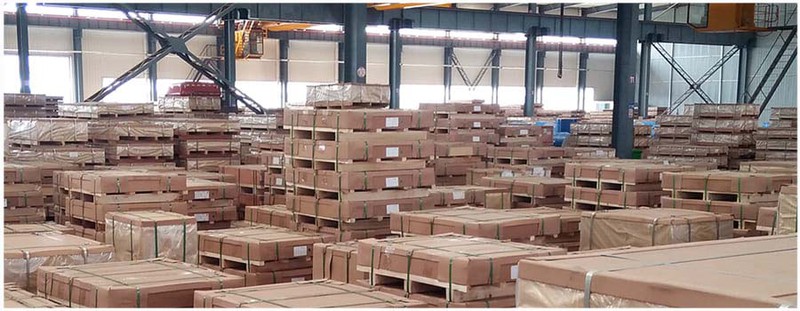
Industrial Packaging and Export Reliability
We understand that a scratch on a precision-rolled 6083 plate can lead to a rejected part. Our packaging for machine shops includes:
- Surface Protection: Every plate is interleaved with paper or protected with PVC film to prevent metal-on-metal contact.
- Moisture Protection: We use vacuum-sealed plastic wrapping and desiccants for sea freight to prevent oxidation.
- Secure Pallets: We use reinforced, fumigated wooden pallets (ISPM 15) to ensure even the heaviest 6083 blocks arrive flat and safe.
FAQ – Common Machining Questions for 6083 Aluminum
Q: Is 6083 aluminum good for CNC machining?
A: Yes, it is good, but it is not "optimized" for machining in the way 6061 or 2011 are. It is a structural alloy that happens to have decent machinability. Use carbide tools for the best results.
Q: Does 6083 aluminum wear tools faster?
A: Yes, slightly. The higher manganese content and overall hardness mean you should expect about 15-20% less tool life compared to machining 6061 under the same conditions.
Q: Can 6083 replace 6061 in machining?
A: Yes, it can replace 6061 if you need more strength. However, you should adjust your CNC programs (feeds and speeds) to account for the increased hardness of 6083.
Q: What is the best temper for machining 6083?
A: T651 is the best. The T6 condition provides the hardness needed for clean cutting, and the "51" stretching ensures the material won't move or warp when you start cutting.
Working on a structural machining project? Whether you need a single thick block or a full container of 6083 sheets, we offer custom cutting and fast delivery. Share your Bill of Materials (BOM) with us for an itemized quote.


