

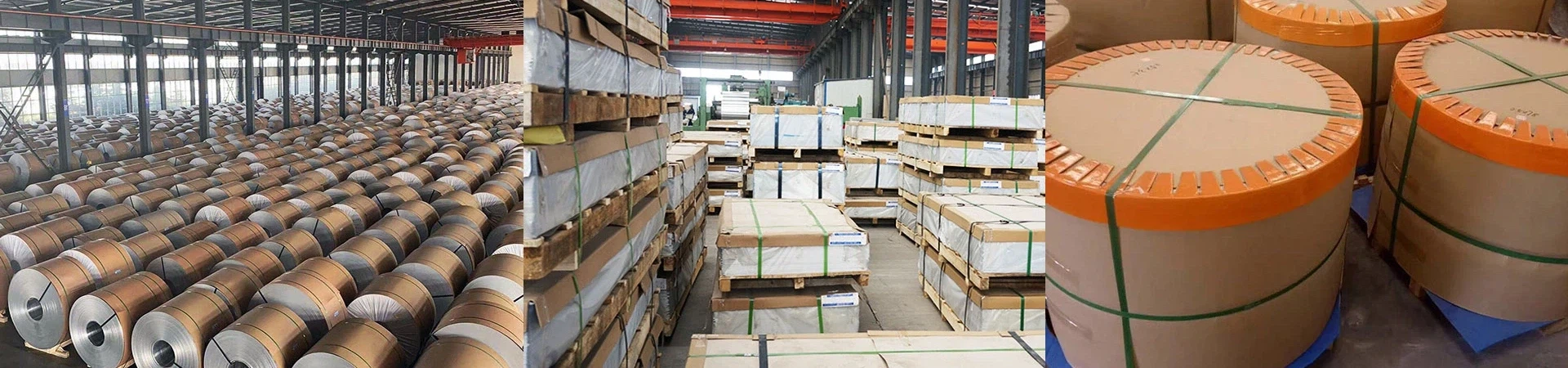
ASTM B209 6083 aluminum plate is a high-strength, heat-treatable alloy designed for structural and marine applications. Manufactured strictly to the ASTM B209 standard, it offers an optimal balance of yield strength, excellent corrosion resistance, and superior weldability. It is widely specified by engineers for shipbuilding, heavy transportation, and industrial frameworks as a highly corrosion-resistant alternative to standard 6061 aluminum.
For procurement managers and structural engineers, understanding the precise chemical limits, mechanical properties, and factory testing standards of ASTM B209 6083 is critical for ensuring project safety and longevity.
What is the ASTM B209 6083 Aluminum Sheet
To understand this product, we must break down its industrial designation.
- "ASTM B209" is the Standard Specification for Aluminum and Aluminum-Alloy Sheet and Plate, published by the American Society for Testing and Materials. When a plate is certified to ASTM B209, it guarantees that the material has undergone strict quality control regarding its chemical composition, mechanical limits, dimensional tolerances, and ultrasonic testing procedures.
- "6083" refers to the specific alloy grade within the 6000 series (Aluminum-Magnesium-Silicon). The specific ratio of magnesium and silicon allows the formation of magnesium silicide (Mg₂Si), which means the plate can be strengthened significantly through factory heat treatment (such as the T6 temper). It is specifically engineered to bridge the gap between the high strength of 6061 and the extreme corrosion resistance of the 5000 marine series.
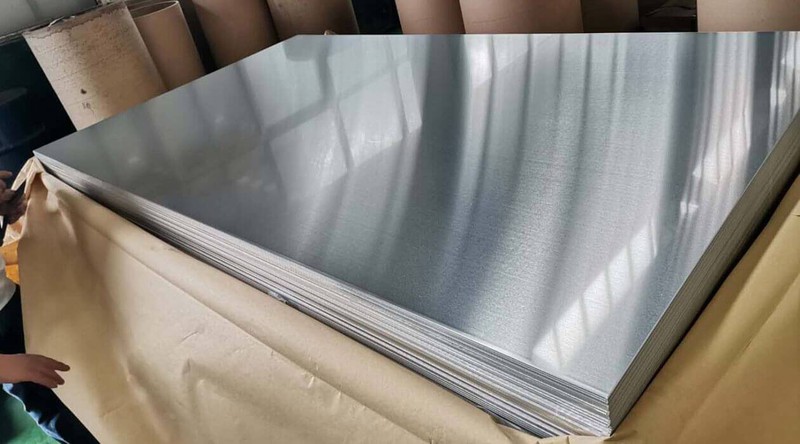
Chemical Composition of ASTM B209 6083 Aluminum Plate
Compliance with ASTM B209 requires absolute precision during the ingot casting process. The performance of the 6083 alloy is dictated by the following chemical elements:
| Element | Content (%) | Industrial Function in 6083 Alloy |
| Magnesium (Mg) | 0.60 – 1.20 | Provides the primary base strength and excellent saltwater resistance. |
| Silicon (Si) | 0.70 – 1.30 | Combines with magnesium to allow for heat-treatment hardening. |
| Manganese (Mn) | ≤ 0.50 | Controls the grain structure, increasing overall structural toughness. |
| Copper (Cu) | ≤ 0.10 | Strictly limited to prevent galvanic corrosion in damp environments. |
| Iron (Fe) | ≤ 0.50 | Impurity control to prevent cracking during fabrication. |
| Aluminum (Al) | Balance | The base metal matrix. |
Engineering Note: The most critical aspect of the 6083 recipe is its remarkably low copper content (≤ 0.10%) compared to 6061 (which contains up to 0.40%). This lack of copper is precisely what gives 6083 its superior resistance to pitting corrosion in outdoor and marine environments.
Mechanical Properties of 6083-T6 Aluminum Plate
Engineers specify 6083-T6 aluminum plates for load-bearing frameworks. The "T6" temper indicates that the plate was solution heat-treated and artificially aged at the mill to achieve peak mechanical hardness.
Below are the typical mechanical properties for ASTM B209 6083-T6 plates (properties may vary slightly based on actual plate thickness):
| Mechanical Property | Typical Value (Metric) | Typical Value (Imperial) |
| Tensile Strength (Ultimate) | ≥ 290 MPa | ≥ 42,000 psi |
| Yield Strength | ≥ 240 MPa | ≥ 35,000 psi |
| Elongation at Break | ≥ 10% | ≥ 10% |
| Hardness (Brinell) | ~75 HB | ~75 HB |
This data confirms that 6083-T6 provides significant load-bearing capacity. Its 10% elongation rating means it retains enough ductility to absorb dynamic impacts (like wave slamming on a ship or road vibration on a truck) without shattering.
Are you working on a structural blueprint and need to confirm if the yield strength of 6083-T6 meets your safety factor requirements? Send your CAD drawings and load specifications to our engineering team today for a free material evaluation and a direct factory quotation.
Key Industrial Applications of 6083 Structural Aluminum Plate
Because of its unique balance of strength and weathering resistance, ASTM B209 6083 is heavily utilized in sectors where steel would rust and other aluminum alloys might fail.
1. Marine and Offshore Engineering
While 5083 is used for submerged hulls, 6083-T6 is the preferred choice for marine superstructures, deckhouses, internal bulkheads, and offshore wind turbine transition piece walkways. It withstands highly saline atmospheres perfectly.
2. Heavy Commercial Transportation
Weight reduction directly equals fuel savings. 6083 is used for fabricating heavy-duty truck chassis, refrigerated trailer bodies, dump truck beds, and railcar side panels, handling heavy cargo loads without corroding from road salts.
3. Industrial Structural Frameworks
It is widely used for welded industrial catwalks, chemical plant maintenance platforms, and mounting bases for heavy automation machinery that require frequent chemical wash-downs.
Welding and Machining 6083 Marine Aluminum Plate
Structural Welding:
6083 offers excellent weldability using standard industrial TIG (GTAW) or MIG (GMAW) processes. For marine or high-stress environments, fabricators should strictly use ER5356 filler wire. The magnesium in ER5356 ensures the weld seam retains high shear strength and matches the corrosion resistance of the 6083 base plate. Note that welding will lower the strength of the Heat-Affected Zone (HAZ), which must be accounted for in structural calculations.
CNC Machining (The T651 Temper):
If your application requires heavy CNC milling, you must specify the 6083-T651 temper. The "T651" designation means the plate was mechanically stretched after quenching to relieve internal residual stresses. Machining a standard T6 plate can cause it to warp as stresses are released; a T651 plate will remain perfectly flat throughout the CNC process.
GNEE Factory Capabilities: Supplying ASTM B209 6083 Plates
GNEE is a leading Chinese manufacturer and direct exporter of industrial aluminum plates. We supply fully certified materials to shipyards, transport manufacturers, and heavy engineering firms globally.
Our Core Advantage: Accepting Complex BOM & Mixed-Size Orders
GNEE specializes in supply chain consolidation. We proudly accept multi-size, multi-alloy mixed orders. We will manufacture your complete Bill of Materials (BOM), custom-cut the plates to minimize your scrap rate, and ship the consolidated order in a single, cost-effective container.
Real Factory Equipment & Industrial Capabilities:
- Heavy Rolling & Stretching: We operate a heavy-duty 3300mm wide "1+4" hot continuous rolling line, enabling us to produce ultra-wide plates that reduce welding seams for our clients. We also operate an 8000-ton stretching machine to guarantee the absolute flatness of our T651 stress-relieved plates.
- Ultrasonic Testing (UT): Internal voids or cracks in a thick plate can cause catastrophic failure. Every heavy structural plate we produce undergoes rigorous Ultrasonic Testing to ASTM B594 standards to ensure zero internal defects.
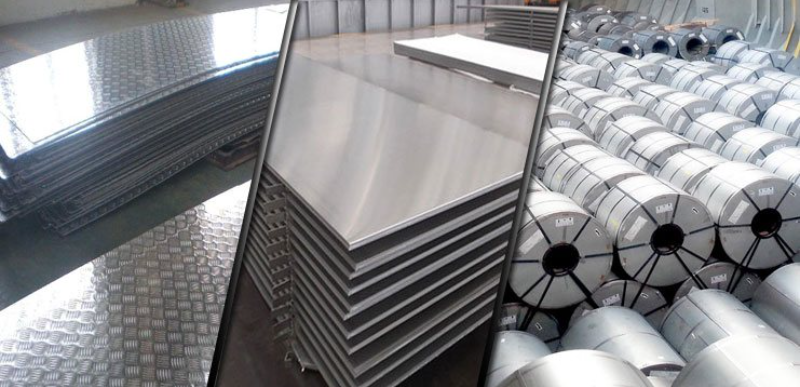

Export Packaging for Heavy Aluminum Plates
Aluminum plates are highly susceptible to water stain corrosion (white rust) if exposed to trapped humidity during ocean transit. GNEE employs a rigorous, export-grade packaging protocol:
- Moisture Barrier: Every single plate is interleaved with moisture-absorbing kraft paper.
- Waterproof Sealing: The entire plate stack is wrapped tightly in heavy-duty waterproof polyethylene film, with industrial silica gel desiccants placed inside to absorb any condensation.
- Structural Security: The bundle is secured with galvanized steel strapping onto heavy-duty, ISPM-15 compliant fumigation-free wooden pallets, ensuring the plates do not shift, scratch, or deform during rough ocean freight.

Whether you need wholesale 6083-T6 plates for marine structures or stress-relieved T651 plates for CNC machining, GNEE delivers exactly what you need. Send your complete material list to our export team today for current stock availability and a fast quotation within 24 hours.


