When you are fabricating a patrol boat hull, an offshore pressure vessel, or a military armored vehicle, standard aluminum will not survive the environment. You need a material that refuses to crack under stress, maintains its strength after welding, and completely shrugs off seawater corrosion.
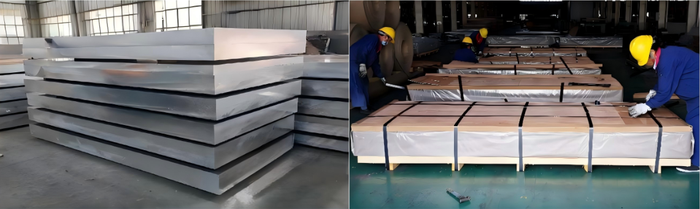
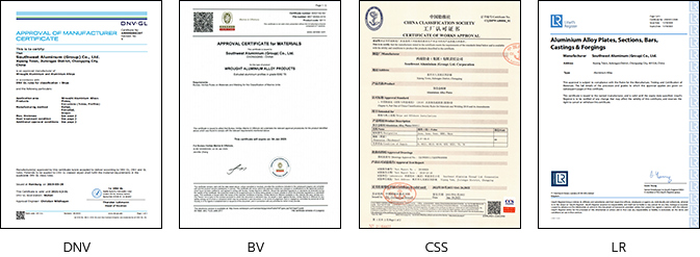
At GNEE, we manufacture and supply 5086 aluminum plate and sheet designed specifically for high-stress, highly corrosive environments. We do not just sell metal; we deliver engineered aluminum plates backed by mill test certificates (MTC) and marine classification society approvals (DNV, ABS, and LR) to ensure your project meets strict safety regulations.
Aluminum alloy 5086 is a high-strength, non-heat-treatable alloy belonging to the 5xxx series. Its primary strengthening element is magnesium.
While 5052 aluminum is great for general sheet metal work, it lacks the structural yield strength required for heavy-duty marine and defense applications. On the other hand, 5083 is incredibly strong but can be overkill and harder to form. The 5086 aluminum alloy plate possesses higher strength than the 5052 alloy, superior formability compared to the 5083 alloy, and unparalleled resistance to intergranular corrosion.
Chemical Composition of 5086 Marine Grade Aluminum Plate
To ensure consistent mechanical properties, the chemistry of our 5086 aluminum sheets is tightly controlled to meet ASTM B209 and EN 485 standards.
| Element | Mg | Mn | Cr | Fe | Si | Cu | Zn | Ti | Al |
|---|---|---|---|---|---|---|---|---|---|
| Content (%) | 3.5 – 4.5 | 0.2 – 0.7 | 0.05 – 0.25 | ≤ 0.50 | ≤ 0.40 | ≤ 0.10 | ≤ 0.25 | ≤ 0.15 | Remainder |
Mechanical Properties by 5086 Temper (H116, H321, O)
Engineers cannot design structures based on vague data ranges. The mechanical performance of a 5086 aluminum plate sheet depends entirely on its temper. For marine and structural applications, the most specified tempers are H116 and H321, which are specifically processed to resist exfoliation corrosion.
| Temper | Tensile Strength (Ultimate) | Yield Strength (Minimum) | Elongation | Best Application Use |
| 5086-O (Annealed) | 260 MPa (38,000 psi) | 115 MPa (17,000 psi) | 22% | Deep drawing, extreme forming |
| 5086-H111 | 275 MPa (40,000 psi) | 145 MPa (21,000 psi) | 14% | Moderate bending and structural framing |
| 5086-H116 | 290 MPa (42,000 psi) | 205 MPa (30,000 psi) | 10% | Marine hulls, decks, highly corrosive zones |
| 5086-H321 | 290 MPa (42,000 psi) | 195 MPa (28,000 psi) | 12% | Boat building, offshore platforms |
Welding, Machining & Forming 5086 Aluminum Alloy Plate
Outstanding Weldability
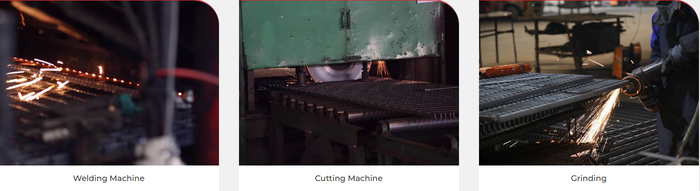
Unlike 6xxx series alloys (like 6061) that lose nearly 50% of their strength when welded, 5086 retains excellent joint strength. It is highly weldable using TIG (GTAW) or MIG (GMAW) processes.
Engineering Tip: Always use ER5356 or ER5183 filler wire when welding 5086 aluminum plates. Do not use 4043 filler, as the high magnesium content in 5086 combined with silicon in 4043 can create brittle weld joints.
Bending and Formability
In the fully annealed (O) temper, 5086 can be easily formed, rolled, and spun. For the H116 or H321 marine tempers, you must calculate a generous bend radius (typically 2.5t to 3.5t, where 't' is plate thickness) to prevent surface cracking on the press brake.
Machining Characteristics
In work-hardened tempers (H32, H34, H116), 5086 machines fairly well. However, because it is softer than 7075, it can produce continuous, stringy chips. We recommend high-speed steel (HSS) or carbide tooling with generous rake angles and continuous cutting lubricants to keep the cutting edge clean.
Top Industrial Applications for 5086 Aluminum Plate
Because of its extreme durability, you will find our custom-cut 5086 aluminum plate in the world's most demanding environments.
- Shipbuilding and Marine Applications: Boat hulls, ship superstructures, patrol vessel decks, and yacht framing.
- Defense and Military Equipment: Blast-resistant armor plating, armored personnel carrier (APC) bottoms, and missile component housings.
- Pressure Vessels and Cryogenics: Since 5086 does not become brittle at sub-zero temperatures, it is ideal for LNG storage tanks and pressurized gas containers.
- Heavy Transportation: Tipper truck bodies, coal dump trailers, and rail tank cars, where weight reduction and high abrasion resistance mean higher payload profits.
Why Source 5086 Aluminum Sheets from GNEE?
As a primary aluminum manufacturer, GNEE eliminates the middleman, offering you direct factory pricing without compromising on engineering standards.
- Marine Society Certifications: Our 5086 plates can be supplied with ABS, DNV, LR, or BV certificates upon request.
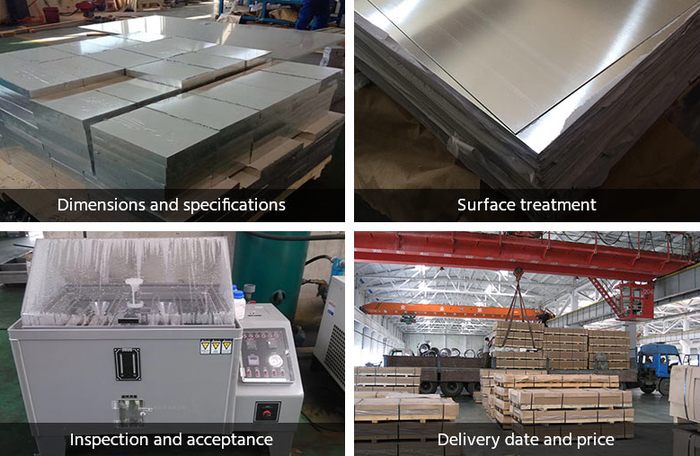
- Tight Tolerances: We control thickness tolerances strictly according to ASTM B209, ensuring zero issues during your robotic welding processes.
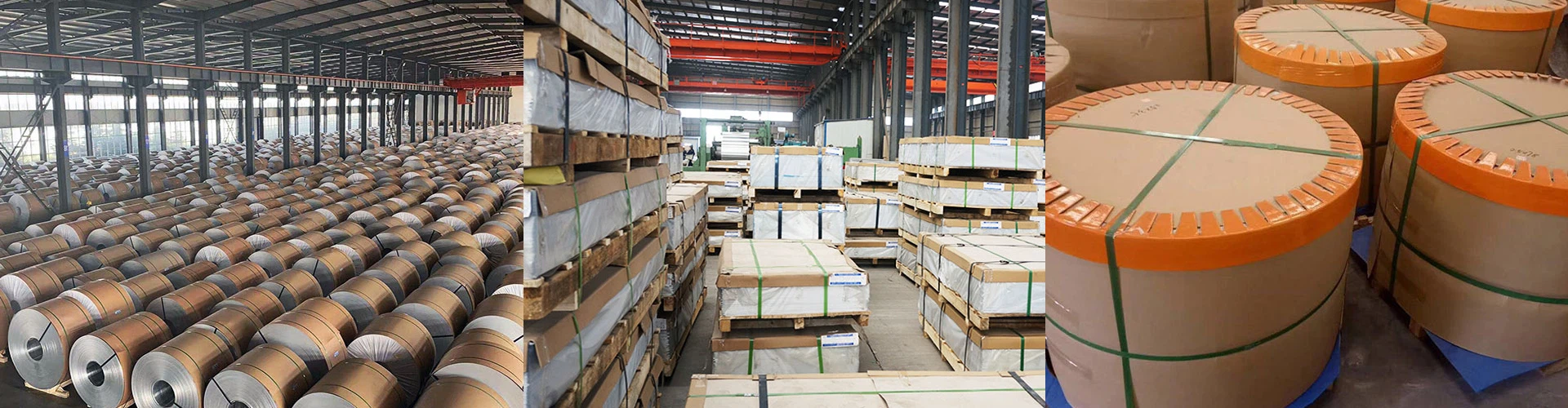
- Surface Protection: We solve the "scratch issue" at the factory level. All 5086 sheets are interleaved with acid-free paper or coated with heavy-duty PVC film before shipping.
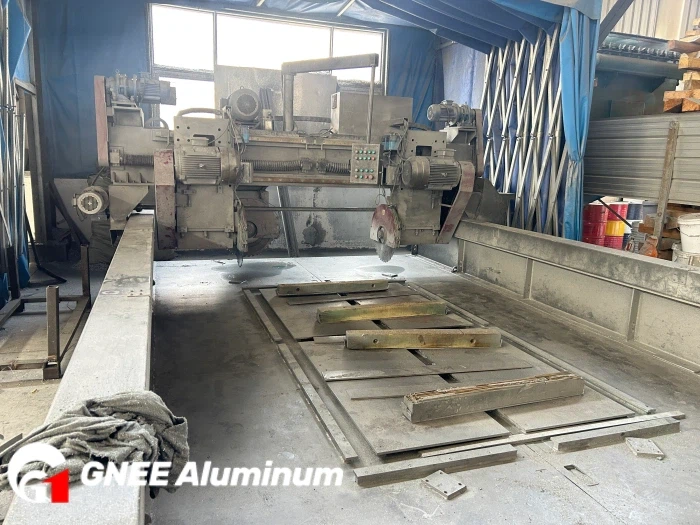
- Custom Dimensions: We offer thicknesses from 1.0mm up to 150mm. Whether you need standard 4x8 ft sheets or ultra-wide plates (up to 2600mm) for ship decks, we mill it to your exact specs.
Ready to Secure High-Quality 5086 Aluminum for Your Next Project?
Stop guessing on material quality. Contact GNEE today for a fast, competitive quote on 5086 aluminum plate sheets. Our engineers are online to review your CAD drawings and spec requirements.