

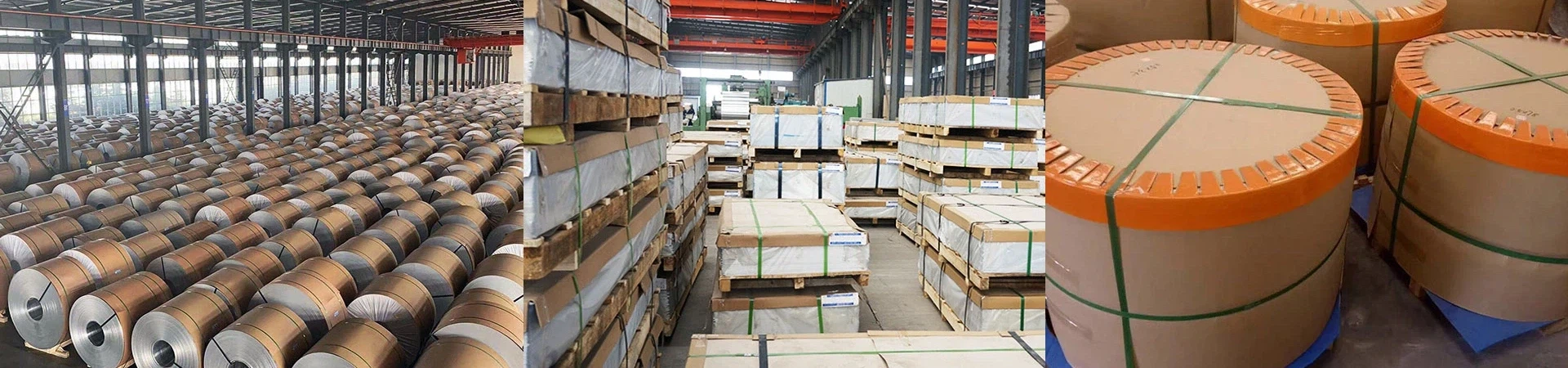
Aluminum foil, commonly known as "tinfoil", is an aluminum rolled material extruded from an aluminum flat ingot by a rolling press. The thickness ranges from 0.001mm to 0.2mm. In the early days, tin foil was indeed made of tin, but the texture of tinfoil was relatively thin. Aluminum foil is hard, has a tin smell and will remain in food. In addition, aluminum foil has a low melting point and is not suitable for grilling or baking food, which limits its application in food packaging.

Aluminum foil is most commonly used in the field of food packaging. It is a soft metal film that has the advantages of moisture-proof and corrosion-resistant, air-tight and light-proof, fragrance-preserving, non-toxic and tasteless, and can keep food fresh for a long time. Packaging butter with aluminum foil can extend the shelf life of butter. It lasts two to three months longer than tin foil. The thickness of aluminum foil in general food packaging bags is only 6.5μm (micron). The thin aluminum layer has the functions of waterproofing, maintaining the delicious taste of food, preventing bacteria and preventing external contamination, so it is very popular in food packaging. Packers' favor.

The production history of aluminum foil can be traced back to the early 20th century. Before 1900, small batches of aluminum foil could be produced through laborious hammering processes. Over the past 100 years, scientists have continuously improved production technology and equipment, making aluminum foil more and more popular. Thin, the output has also been greatly increased, and the application fields of aluminum foil have been broadened, from the early chocolate and butter packaging paper to the current development to beverage packaging, bottle caps, cigarette boxes, aluminum foil hydrogen balloons, etc.
In addition to food, another application field that cannot be ignored is pharmaceutical packaging, which is mainly reflected in blister packaging, which is currently the most important packaging method for Western medicine capsules. Blister packaging has the advantages of being moisture-proof, easy to carry, safe and hygienic, and can effectively protect drugs that are sensitive to the environment. According to a Boston Consulting Report, China's packaging industry's annual demand for aluminum foil reached 350,000 tons in 2011, and consumption is expected to exceed 900,000 tons in 2020. Among them, the demand for medical foil is the most obvious. As tablets, powders, capsules, and pills of traditional Chinese medicine move from paper bags and plastic bags to aluminum-plastic blister packaging, and China gradually enters an aging society, the aluminum foil market for pharmaceutical packaging will become broader.


