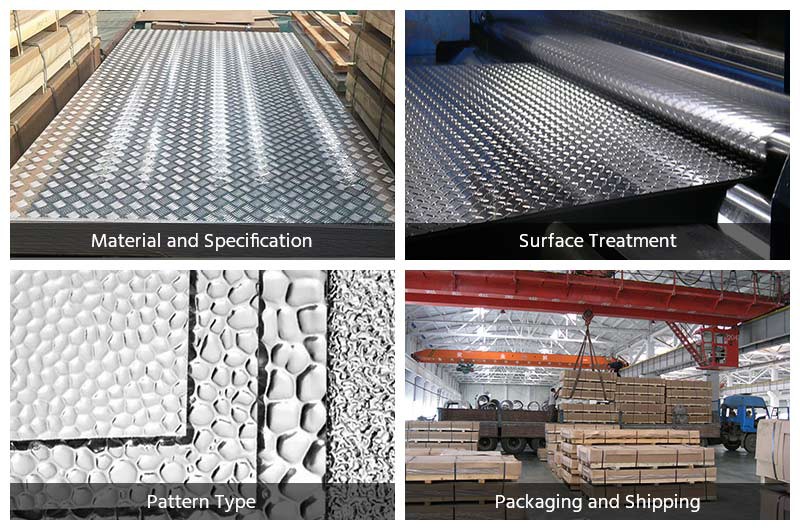

5052 H32 aluminum tread plate is a non-heat-treatable aluminum-magnesium alloy plate featuring a raised pattern on its surface. It offers excellent corrosion resistance, medium strength, and superior anti-slip performance. Because it withstands saltwater and harsh environments, it is the standard choice for marine applications, transportation flooring, and industrial walkways.
Technical Specifications of 5052 H32 Aluminum Tread Plate
To meet international engineering requirements, our 5052 H32 tread plates comply strictly with global material standards. Below are the core specifications.
| Item | Value |
|---|---|
| Alloy | 5052 |
| Temper | H32 |
| Standard | ASTM B209 / EN 485 |
|
Thickness Range (Base plate) |
1.0 mm – 8.0 mm |
| Standard Widths | 1000 mm, 1219 mm (4 ft), 1250 mm, 1500 mm, 1524 mm (5 ft) |
| Standard Lengths | 2000 mm, 2438 mm (8 ft), 2500 mm, 3000 mm, or custom coils |
| Width | 1000–2000 mm |
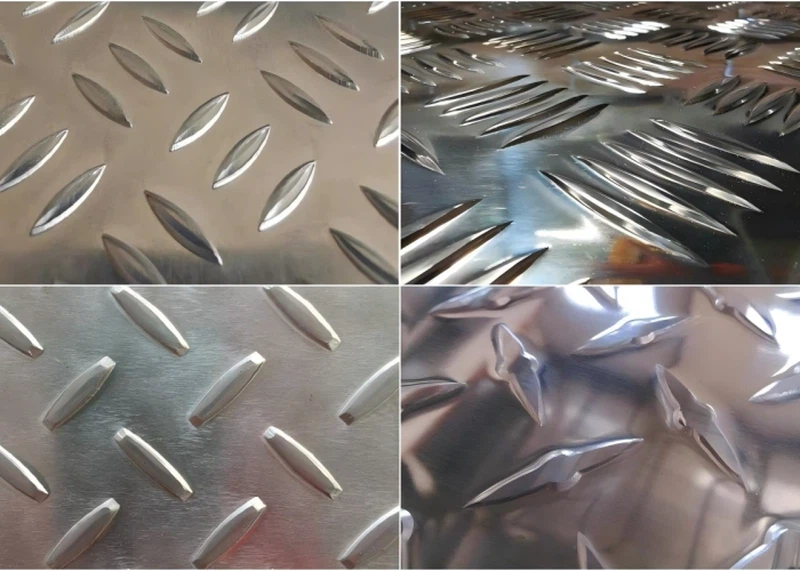
| Pattern | 1 bar (Diamond), 3 bar, 5 bar, stucco embossed |
| Surface | Mill finish, bright finish, or customized anodized |
| MOQ | Flexible depending on inventory (Usually 2-3 Tons for new production) |
Core Properties of 5052 H32 Aluminum Checker Plate
Why do engineers choose 5052 H32 over other materials? The answer lies in its balanced mechanical and chemical properties.
1. Exceptional Corrosion Resistance
The addition of magnesium makes the 5052 alloy highly resistant to rust and oxidation. It performs exceptionally well in marine environments. Saltwater, industrial chemicals, and heavy moisture do not degrade the material, reducing long-term maintenance costs.
2. Medium to High Strength
5052 is significantly stronger than 1100 and 3003 series aluminum. It handles heavy foot traffic, equipment rolling, and load-bearing requirements on trailer floors without denting easily.
3. Superior Formability and Workability
Unlike 6061-T6, which is rigid and prone to cracking when bent, 5052 H32 has excellent formability. You can cut, stamp, bend, and shape the checker plate into toolboxes, corner guards, or step rings without fracturing the material at a 90-degree angle.
4. Excellent Weldability
The 5052 tread plate can be welded using conventional methods, such as TIG and MIG welding. The recommended filler wire is ER5356. The welds are strong and maintain high resistance to corrosion.
5. Reliable Anti-Slip Performance
The raised pattern (such as 5-bar or diamond) creates friction between the floor and footwear or tires. This provides safety in wet, greasy, or dirty conditions, preventing slip-and-fall accidents in industrial settings.
What Does H32 Temper Mean in 5052 Aluminum Diamond Plate?
Understanding the temper is critical when purchasing aluminum. "H32" represents a specific manufacturing treatment.
H stands for strain-hardened (cold worked).
3 means the metal was strain-hardened and then stabilized through low-temperature heating. This prevents the metal from age-softening over time and improves its ductility.
2 indicates a quarter-hard temper.
- Compared to 5052-O (Annealed): H32 is harder and offers higher tensile strength. 5052-O is too soft for flooring applications.
- Compared to 5052-H34 (Half-hard): H32 is slightly softer but offers better bendability, making it the perfect balance for fabricating toolboxes and trailers.
Common Industries Using 5052 Aluminum Floor Plate
Because of its unique balance of strength, rust resistance, and weight savings, the 5052 H32 aluminum floor plate is highly versatile.
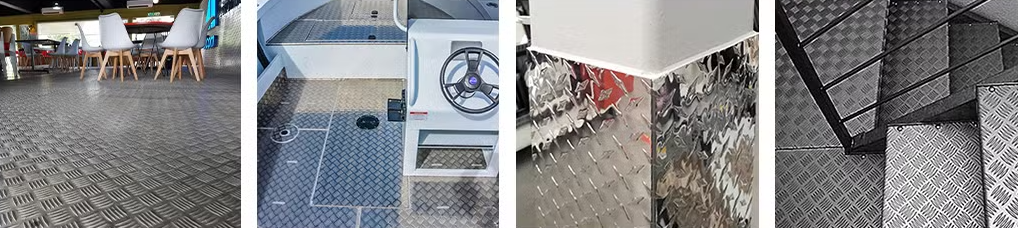
- Marine and Boat Building
It is known as "marine-grade diamond plate." It is widely used for pontoon boat decking, yacht walkways, dock ramps, and ship stair treads. It survives continuous saltwater exposure without failing.
- Transportation and Commercial Vehicles
Weight reduction is vital in transportation. The 5052 tread plate is used for truck beds, trailer floors, ambulance interiors, fire truck side panels, and RV step treads. It lowers the vehicle weight, saving fuel, while providing a durable, non-slip surface.
- Industrial and Architectural Applications
In chemical plants, food processing factories, and manufacturing facilities, 5052 floor plates are used for catwalks, mezzanine floors, and machinery platforms. It is easy to clean and does not rust like steel grids.
5052 H32 Aluminum Tread Plate vs. 3003 and 6061 Grades
Buyers often confuse 5052 with 3003 or 6061 tread plates. Choosing the wrong alloy can lead to structural failure or unnecessary costs. Here is the direct comparison.
5052 H32 vs 3003-H22 Tread Plate
Strength: 5052 is about 30% to 50% stronger than 3003.
Corrosion Resistance: 5052 is marine-grade. 3003 is for general indoor/outdoor use but will pit in saltwater.
Bending: Both bend well, but 3003 is slightly easier to form.
Price: 5052 is more expensive than 3003 due to the magnesium content.
Verdict: Choose 5052 for boats, heavy trailers, and harsh weather. Choose 3003 for decorative wall panels or indoor light-duty floors.
5052 H32 vs 6061-T6 Tread Plate
Strength: 6061-T6 is a structural alloy and is much stronger than 5052.
Formability: 6061-T6 will crack if you try to bend it at a sharp angle. 5052 H32 bends easily.
Machinability: 6061 is better for heavy machining.
Verdict: Choose 6061-T6 if the plate needs to span a wide gap without underlying support (structural load). Choose 5052 H32 if you need to bend the plate to make boxes, steps, or covers.
How to Inspect Quality When Buying Wholesale 5052 H32 Aluminum Checker Plate
When sourcing materials, visual and dimensional inspections are crucial. Here is how professional buyers evaluate 5052 H32 aluminum tread plate quality:
1. Base Thickness vs. Total Thickness
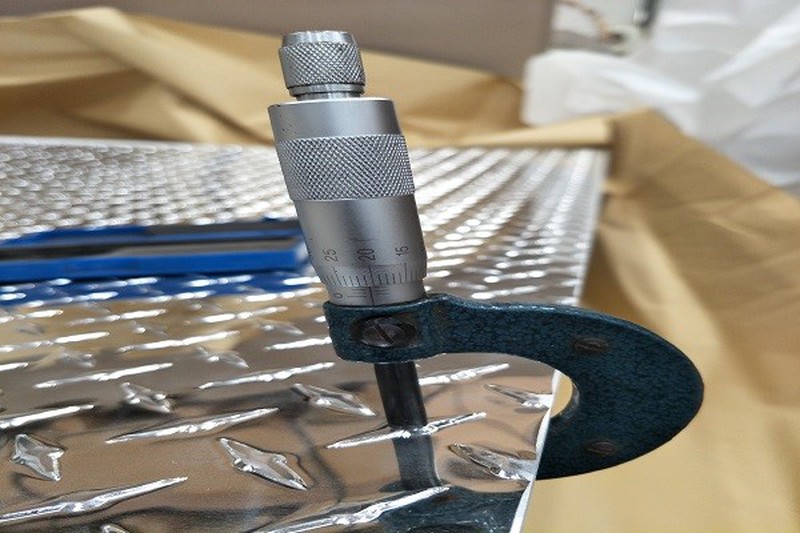
Always clarify this with your supplier. If you order a 3.0mm plate, verify if 3.0mm is the base plate thickness or the thickness including the raised pattern. In international trade, standard practice dictates that thickness refers to the base plate only.
2. Pattern Height and Sharpness
The anti-slip function depends on the pattern height. A standard 5-bar or diamond pattern should have a minimum raised height of 0.8mm to 1.2mm. If the pattern is too flat, it loses its grip and indicates worn-out rollers at the factory.
3. Surface Finish Quality
Inspect the surface for oil stains, dark spots, scratches, or roller marks. 5052 alloy should have a clean, uniform mill finish. Excessive oil means poor cleaning during production, which affects welding and painting.
4. Weight Tolerance
Because aluminum has a fixed density (2.68 g/cm³ for 5052), you can calculate the theoretical weight. Always check the actual weight against the theoretical weight. A huge discrepancy means the plate is thinner than specified (negative tolerance).
The GNEE Advantage
Finding a reliable factory ensures your projects run on time and on budget. GNEE is a professional manufacturer and exporter of aluminum flat-rolled products. Here is why global buyers choose us:
- Verified Material: All 5052 H32 tread plates come with a Mill Test Certificate (MTC) proving the chemical composition and mechanical properties.
- Strict Tolerance Control: We maintain tight controls on thickness and width tolerances, ensuring flat and uniform plates.
- Extensive Alloy Capability: Besides 5052, we also supply 1050, 3003, 5083, and 6061 tread plates to meet different project budgets.
- Fast Delivery Capacity: With strong rolling mill capabilities, we ensure short lead times even for high-volume orders.
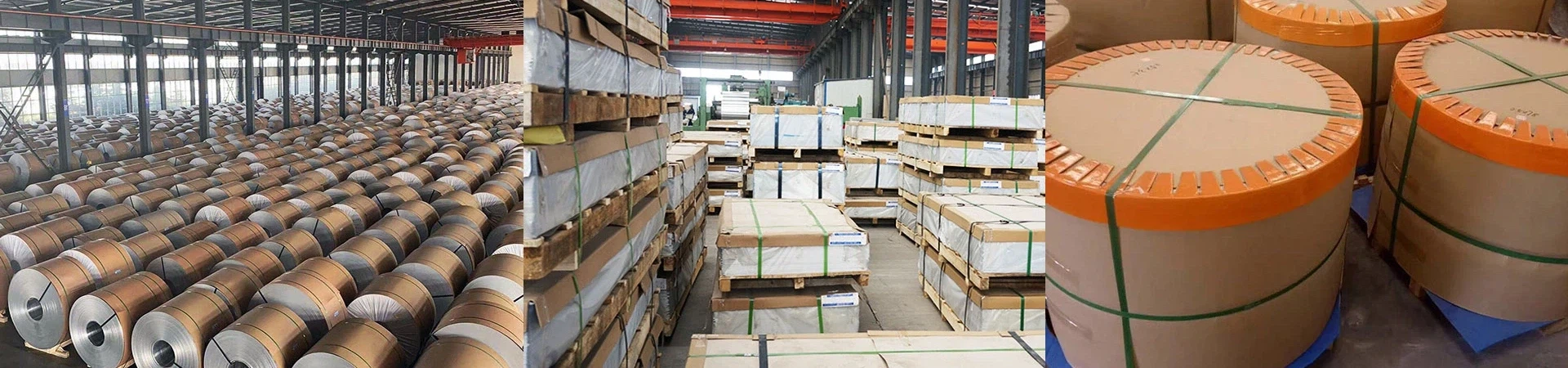
- Export-Standard Packaging: Aluminum plates are easily damaged by moisture and friction during sea freight. We pack our plates using waterproof kraft paper, plastic film, and heavy-duty wooden pallets with desiccant to guarantee they arrive in pristine condition.