

Roofing materials in industrial and commercial projects often fail for three main reasons: severe corrosion, heavy material weight causing structural stress, or insufficient physical strength to handle wind and snow loads. These problems are especially common in coastal regions, heavy industrial zones, and humid environments. Buyers and contractors are constantly looking for a roofing material that offers a perfect balance between cost, durability, and long-term performance.
Today, the 3003 H26 aluminium corrugated sheet has become one of the most widely used roofing materials globally. But why is this specific alloy and temper so popular? Is it the best choice for your project? This guide will explain everything you need to know to make an informed purchasing decision.
What is 3003 H26 aluminum?
3003 (Al-Mn Alloy): This is an aluminum-manganese alloy. The addition of manganese increases the strength of the aluminum by about 20% compared to pure aluminum (like the 1000 series) without losing any of its excellent rust resistance. It is known in the industry as a classic "rust-proof aluminum."
H26 Temper: "Temper" refers to how hard the metal is. H26 means the material is strain-hardened and partially annealed (3/4 hard). This specific processing state gives the metal a perfect balance: it is strong enough to bear loads, but flexible enough to be bent into corrugated shapes without cracking.
In short, 3003 H26 is a highly practical alloy designed specifically for building and roofing applications where both weather resistance and structural strength are required.
5 Reasons Why Buyers Choose 3003 H26 Aluminium Roofing
1. Excellent Corrosion Resistance (No Rust)
Unlike traditional steel roofing, which will quickly rust once the zinc coating is scratched, 3003 aluminum naturally forms a protective oxide layer when exposed to air. This prevents further oxidation. It performs exceptionally well outdoors, especially in environments where regular steel fails, such as chemical factories, agricultural barns with high ammonia levels, and coastal areas. (Note: For direct marine environments, combining it with a PVDF coating is highly recommended).
2. Strength Suitable for Roofing
A roof must support dynamic loads, including heavy wind, accumulated snow, and the weight of installation workers walking on the panels. Standard soft aluminum (like H14 temper) can dent or deform easily under pressure. The H26 temper provides higher yield strength, ensuring the roof remains flat and secure. It is strong enough to support standard spans without being brittle.
3. Lightweight Reduces Total Structure Costs
The density of 3003 aluminum is only 2.73 g/cm³, which is exactly one-third the weight of steel. A lighter roof significantly reduces the dead load on the building. This means contractors can use less structural steel for the purlins and framing, saving on the overall building cost. Additionally, lighter sheets are faster and cheaper to transport, lift, and install on-site.
4. Excellent Formability Without Cracking
One common problem with very hard metals is that they crack or split at the bending points (the peaks and valleys of the waves) during the roll-forming process. The H26 temper prevents this. It maintains excellent formability, allowing factories to press the material into deep corrugated, trapezoidal, or custom profiles smoothly. This ensures the final product has perfect water drainage capabilities.
5. The Ultimate Cost-Performance Advantage
While marine-grade alloys like 5052 are stronger, they are significantly more expensive. On the other hand, 1000 series aluminum is cheaper but too soft for long-span roofing. 3003 H26 sits right in the middle. It provides the strength and durability needed for 90% of industrial and residential roofing projects at a very reasonable and stable wholesale price.
3003 H26 vs. Other Materials
To help you understand where 3003 H26 stands in the market, here is a direct comparison with other common roofing materials, including wholesale 3004 aluminum roofing sheet and custom 5052 aluminum corrugated panel options.
| Material Grade | Strength | Corrosion Resistance | Cost Level | Best Application & Recommendation |
| 3003 H26 | Medium | Excellent | Medium | Best Balance: Standard industrial & residential roofing. |
| 3004 H24/H26 | Medium-High | Excellent | Medium-High | Large-span public buildings requiring slightly higher load capacity. |
| 5052 H32 | High | Ultimate (Saltwater) | High | Marine environments, direct coastal resorts, and offshore structures. |
| 1050 / 1100 | Low | Good | Low | Temporary sheds, interior wall cladding. Not for main roofing. |
| Galvanized Steel | High | Poor (Rust risk) | Low | Dry inland areas with strict, low budgets. Short-term use. |

Conclusion: If you want a roof that lasts for decades without maintenance and you want to keep the budget reasonable, 3003 H26 is the optimal cost-performance solution.
How to Choose the Right Thickness for Your Roofing Project
Thickness is a critical parameter that directly affects both the price and the safety of your roof. Choosing material that is too thin will lead to wind damage, while choosing material that is too thick will waste your budget. Here is our standard industry recommendation:
| Application / Environment | Recommended Thickness | Reason |
| Residential Roofing / Small Canopies | 0.4 mm – 0.6 mm | Short purlin spans, lower load requirements. |
| Industrial Factories / Warehouses | 0.6 mm – 1.0 mm | Standard factory purlin spans handle moderate wind/snow. |
| High-Wind Areas / Coastal Zones | 0.8 mm – 1.2 mm | Prevents the metal from tearing at the screw attachment points under high wind pressure. |
| Large Span Public Buildings | 1.0 mm – 1.5 mm | Heavy load-bearing required, often matched with 3004 alloy. |
Not sure which thickness is safe for your purlin span and local weather? Send your project details to GNEE. Our technical team will calculate the optimal thickness to ensure safety and save your budget.
Contact Our Engineering Team for Current Pricing & Availability
How to choose Coating Options of 3003 H26 corrugated aluminum alloy sheet
The 3003 H26 aluminum sheet itself will not rust, but the surface coating determines the visual appeal and the overall lifespan of the roof. There are three standard surface treatments available:
1. Mill Finish (Bare Aluminum)
Description: The natural silver surface of the aluminum with no paint.
Advantage: Lowest cost. Forms a natural aluminum oxide layer.
Best For: Agricultural buildings, concealed roof layers, or industrial factories that do not care about exterior color.

2. PE (Polyester) Coating
Description: A standard color coating process.
Advantage: Cost-effective, offers a wide variety of bright colors (RAL system).
Lifespan: Usually lasts 8 to 10 years outdoors before you notice obvious chalking or color fading.
Best For: Residential roofs, indoor cladding, and general commercial buildings in mild climates.

3. PVDF (Fluorocarbon) Coating – Highly Recommended
Description: A premium architectural coating known for extreme weather resistance.
Advantage: Excellent resistance to UV rays, acid rain, and industrial chemicals. The color remains stable without fading or peeling.
Lifespan: Can easily last 15 to 25 years or more in harsh outdoor conditions.
Best For: High-end commercial projects, coastal environments, and heavy industrial plants. PVDF is highly recommended for long-term outdoor roofing.

Why Choose GNEE
1. Core Manufacturing Strength
We are not a small trading shop. We operate with over 18 years of manufacturing experience in the aluminum industry. Our products have been exported to over 70 countries. We offer stable production capacity, ensuring that whether you need 5 tons or 500 tons, we can deliver on time. We have rich experience in supplying large-scale construction and roofing projects globally.
2. Strict Quality Standards
Quality inconsistency is the biggest risk for buyers. At GNEE, we operate a strict quality inspection system. From chemical composition to thickness tolerance and coating adhesion, every step is tested.
Mill Test Certificate (MTC) is provided with every shipment.
We comply with international standards including ASTM and EN.
3. Full Customization Capabilities
We manufacture exactly what you need:
Custom thickness (0.3mm to 3.0mm), width, and length (cut to fit your container and roof perfectly).
Custom corrugated profiles. If you have a specific wave design, we will adjust our roll-forming machines to match your drawings.
Multiple coating options (PE / PVDF) with custom RAL color matching.
OEM and project-based production support.
4. Professional Packaging and Delivery
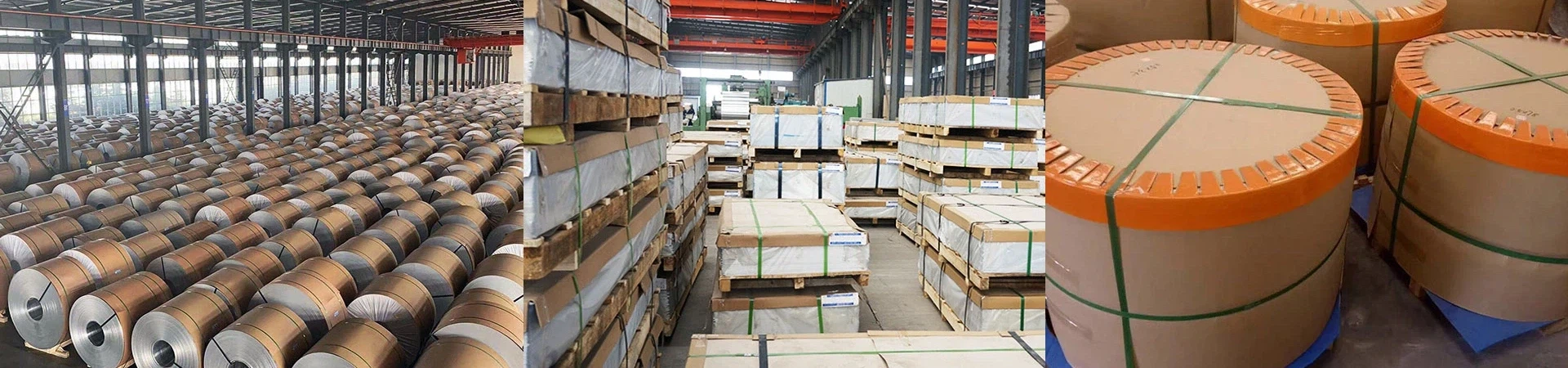
Aluminum is valuable, and we make sure it arrives safely. We use seaworthy export packaging, including heavy-duty wooden pallets, waterproof kraft paper, and strong edge protection to prevent bending and moisture damage during ocean freight. With a standard delivery time of 7 to 25 days, we guarantee on-time delivery for your project schedules.

Looking for a reliable supplier of 3003 H26 aluminium roofing sheets? We can match your exact project requirements. Send your drawing and specifications today to get a free technical consultation and a fast quotation within 24 hours.


