

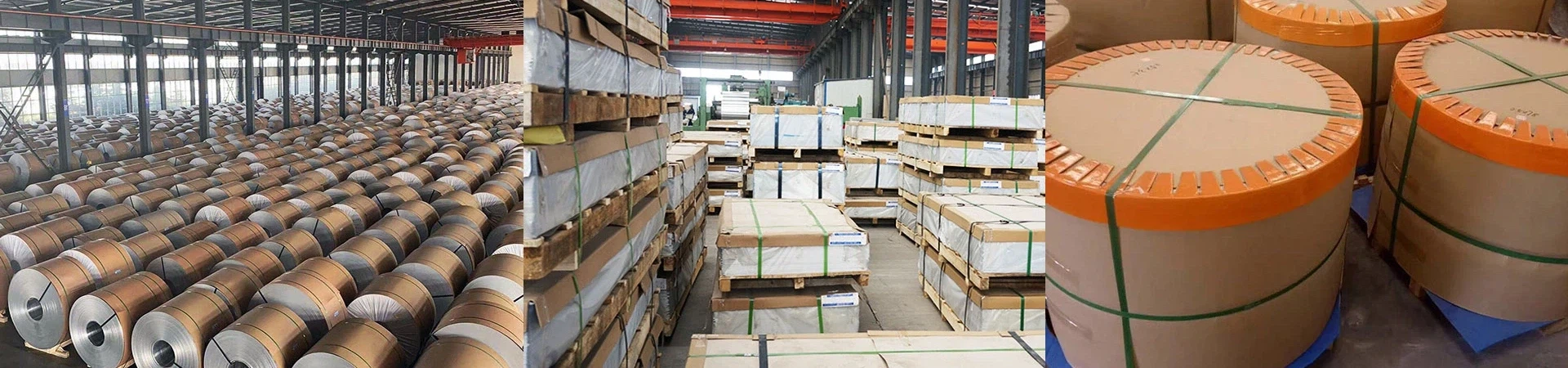
What is 6061-T6 Aluminum Plate?
When it comes to CNC milling and precision manufacturing, 6061-T6 aluminum plate is the absolute standard. It is an Aluminum-Magnesium-Silicon (Al-Mg-Si) alloy that has been precipitation-hardened (the "T6" temper).
This material is universally loved by machine shops because it offers the perfect balance of structural strength, excellent machinability, dimensional stability, and strong corrosion resistance. You will find 6061-T6 aluminum plates used daily in real-world applications such as:
- Custom CNC machined parts
- Manufacturing jigs and workholding fixtures
- Automotive engine brackets and base plates
- Drone frames and lightweight mechanical housings
- Automation equipment components
At GNEE, we are a professional 6061-T6 aluminum plate supplier, providing high-quality, flat, and stress-controlled aluminum materials for CNC workshops worldwide.

Why Choose 6061-T6 Aluminum Plate for CNC Milling?
- Short and Clean Chips: Unlike softer aluminum alloys that produce long, stringy chips that tangle around the spindle, 6061-T6 breaks into small chips. This keeps the cutting area clean and prevents tool breakage.
- High-Speed Machining: It can handle very high spindle speeds and rapid feed rates, significantly reducing the machining time per part.
- Low Tool Wear: It is hard enough to cut cleanly but not so hard that it destroys your expensive solid carbide end mills quickly.
- Excellent Surface Finish: After milling, 6061-T6 leaves a smooth, shiny surface that requires minimal manual polishing.
Typical applications of 6061-T6 Aluminum Plate for CNC Milling
CNC baseplates, equipment foundations, and alignment platforms
Precision jigs, inspection tooling, and modular automation components
Machine covers, panels, and industrial enclosures
Mold backing plates, adapter brackets, and clamping structures
Robotics mounts, test fixtures, and custom mechanical assemblies

Chemical Composition of 6061-T6 Aluminum Plate
Magnesium and Silicon are the key elements here. They form Magnesium Silicide, which allows the aluminum to be heat-treated for extra strength.
| Element | Content (%) |
| Aluminum (Al) | Balance |
| Magnesium (Mg) | 0.8 – 1.2 |
| Silicon (Si) | 0.4 – 0.8 |
| Copper (Cu) | 0.15 – 0.40 |
| Chromium (Cr) | 0.04 – 0.35 |
| Iron (Fe) | ≤ 0.70 |
| Zinc (Zn) | ≤ 0.25 |
| Others |
≤ 0.15 |
Mechanical Properties of 6061-T6 Aluminum
For load-bearing fixtures and structural parts, the mechanical limits dictate the safety of the final product.
| Property | Typical Value |
| Tensile Strength | ≥ 290 MPa |
| Yield Strength | ≥ 240 MPa |
| Elongation | ≥ 8% |
| Hardness | ~95 HB |
Physical Properties of 6061-T6 Aluminum
Thermal conductivity is important in CNC machining because the material helps pull heat away from the cutting tool, preventing the tool from overheating.
| Property | Value |
| Density | 2.70 g/cm³ |
| Elastic Modulus | 69 GPa |
| Thermal Conductivity | ~167 W/m·K |
| Melting Range | 582 – 652°C |
General parameters for CNC milling 6061-T6
| Tool Type | Diameter | RPM Range | Feed Rate |
|---|---|---|---|
| Carbide End Mill | 6 mm | 10,000–12,000 | 600–800 mm/min |
| Carbide Drill | 3 mm | 8,000–10,000 | 400–500 mm/min |

GNEE supplies custom-cut 6061-T6 aluminum blocks and plates designed to match your exact CNC machine travel limits. Send us your required Thickness × Width × Length and Order Quantity. We will provide a direct factory quote within 24 hours, helping you eliminate raw material waste.
6061 T6 vs. 6061 T651 aluminum plate Temper
| Temper | Strength | Internal Stress | Best Application |
| 6061 T6 | High | High | General machining, simple brackets, small parts. |
| 6061 T651 | High | Very Low | Precision CNC machining, large flat parts. |
The Risk of Machining Deformation:
Standard 6061 T6 aluminum plates hold a lot of internal stress from the rapid cooling (quenching) process. When your CNC machine mills away a large chunk of this metal, the stress is released, and the plate will physically warp or bow on the machine table.
6061 T651 means the aluminum plate has been mechanically stretched by 1% to 3% to relieve this internal stress. If you are machining large, flat base plates or removing more than 30% of the material's original volume, you must buy 6061-T651 aluminum plates to maintain dimensional accuracy.
How 6061 Aluminum Plate Compares to Other Aluminum Alloys
6061-T6 vs. 7075-T6
- Strength: 7075 is much stronger (similar to steel), often used in aerospace.
- Machinability: 7075 is harder, which means it wears out CNC tools much faster.
- Cost: 7075 is significantly more expensive.
- Verdict: Unless your customer's engineering drawing specifically demands 7075, 6061-T6 is the better, more cost-effective choice for 90% of mechanical parts.
6061-T6 vs. 5052-H32
- Application: 5052 is great for sheet metal bending, laser cutting, and forming. It is highly bendable.
- Machinability: 5052 is terrible for CNC milling. It is too soft and "gummy." It will melt, stick to the end mill, and snap the tool.
- Verdict: Never buy 5052 for heavy CNC milling operations. Stick to 6061-T6.
Surface Finishes of 6061-T6 Aluminum Plate for CNC Machining
- Clear and Color Anodizing: 6061 takes anodizing perfectly. You can dye the machined parts black, red, blue, or any custom color with a highly consistent cosmetic finish.
- Hard Coat Anodizing (Type III): Used to create a hard, ceramic-like wear layer on moving mechanical parts.
- Sandblasting: Great for removing machine tool marks and creating a uniform, matte industrial look.
- Brushing and Polishing: Achieves a highly reflective surface for consumer-facing parts.

GNEE provides stress-relieved 6061-T651 plates with strict flatness control and guaranteed uniform hardness. We provide a full Mill Test Certificate (MTC) with every shipment.
Request a Sample MTC and Flatness Spec Sheet Here
Procurement Guide for CNC Machining Buyers
What Determines the Price?
- SMM Ingot Price: The global daily price of raw aluminum.
- Thickness and Size: Thicker plates cost more. Standard sizes (like 4x8 feet or 1250x2500mm) are cheaper than custom widths.
- Temper: T651 is slightly more expensive than T6 because the stretching (stress-relief) process adds manufacturing time.
- Tolerance Requirements: Demanding ultra-tight thickness tolerances requires precision milling at the factory level, which increases the price.
Crucial Tolerances for Machine Shops
| Parameter | Standard Factory Tolerance | Impact on CNC Machining |
| Thickness Tolerance | ±0.02 mm to ±0.10 mm | Stable thickness means you don't have to constantly adjust Z-axis offsets. |
| Flatness | ≤ 2 mm / meter | Good flatness ensures the vacuum table or vise holds the part securely without bowing. |
| Surface Quality | Clean, no deep scratches | Deep scratches might force you to mill away more material than planned. |
Why Choose GNEE as Your Aluminum Supplier?
Flexible Customization: We accept multi-size and mixed-specification orders. You don't need to buy a massive volume of a single size. We cut to your project's needs.
Strict Quality Control: Our plates undergo ultrasonic testing to ensure there are no hidden internal cracks or pores that could ruin your machining midway.
Advanced Equipment: We use precision leveling machines to guarantee the flatness your CNC fixtures require.
Global Shipping Experience: We know how to pack aluminum so it arrives clean and safe.


Packaging & Safe Delivery Standards
- Bottom: Fumigated, strong wooden pallets.
- Inner Layer: Wrapped in heavy moisture-proof plastic film with industrial desiccants to prevent sea salt and humidity oxidation.
- Outer Layer: Kraft paper and hardboard edge protectors to prevent denting.
- Surface Protection: Blue or clear PVC anti-scratch protective film applied directly to the plate surfaces (optional but highly recommended).

For modern CNC machining, 6061-T6 aluminum plate offers a perfect blend of high strength, fast cutting speeds, and excellent surface finish capabilities while remaining cost-effective. By understanding the difference between T6 and T651, controlling your flatness tolerances, and choosing a reliable supplier, you can maximize your workshop's profit and reduce part rejection rates.
Stop dealing with warped plates and inconsistent hardness. Partner with GNEE for premium, machine-ready 6061-T6 and T651 aluminum plates.
Send us an email today with:
- Material Grade (6061-T6 or T651)
- Dimensions (Standard sheets or custom cuts)
- Total Weight or Pieces
- Delivery Port
Our engineers will reply within 24 hours with a transparent, highly competitive CIF/FOB price.
Contact GNEE Sales Team to Get Your Quote Now


