

When you specify a butt weld elbow, one of the first decisions is the bend radius. Long radius (LR) and short radius (SR) elbows look similar but behave differently in a piping system. This guide explains what sets them apart, lists the standard dimensions, compares flow and space performance, and shows how to choose between them for aluminum piping. It also covers the alloys GNEE supplies, how to order, packaging, and inspection.
A butt weld elbow is a pipe fitting that changes the direction of flow. Both ends are beveled for a full penetration weld to the pipe, so the joint matches the strength of the pipe itself and leaves a smooth, crevice free bore. Aluminum elbows are used where weight, corrosion resistance, and thermal or electrical properties matter: marine and offshore, seawater and chemical systems, cryogenic and air separation plants, and lightweight process lines.
What Is a Long Radius (LR) Aluminum Elbow
A long radius elbow has a centerline bend radius equal to 1.5 times the nominal pipe size (1.5D). For a 90 degree elbow, the center to end dimension equals that radius, so a 4 inch NPS LR elbow measures about 6 inches from center to face. The wider sweep gives a gradual change in direction. That reduces turbulence, friction loss, and pressure drop, and it lowers the risk of erosion at the bend. LR elbows are the default for most process and industrial piping and are dimensioned to ASME B16.9.
What Is a Short Radius (SR) Aluminum Elbow
A short radius elbow has a centerline bend radius equal to the nominal pipe size (1.0D). A 4 inch NPS SR elbow measures about 4 inches center to face. The bend is tighter and more compact, which saves space in congested layouts, but it creates more turbulence and a higher pressure drop. SR elbows are dimensioned to ASME B16.28 and are chosen only where a long radius sweep will not fit.

LR vs SR Elbow: Key Differences
|
Parameter |
Long Radius (LR) Elbow |
Short Radius (SR) Elbow |
|
Centerline radius |
1.5 x NPS (1.5D) |
1.0 x NPS (1.0D) |
|
Governing dimension standard |
ASME B16.9 |
ASME B16.28 |
|
Center to end (90 deg, NPS 4) |
152 mm (6 in) |
102 mm (4 in) |
|
Flow resistance (K factor) |
Lower, commonly ~0.30 for 90 deg |
Higher, commonly 0.45 to 0.9 for 90 deg |
|
Pressure drop |
Lower |
Higher |
|
Space required |
More |
Less (compact) |
|
Turbulence and erosion risk |
Lower |
Higher |
|
Typical NPS range |
1/2 to 48 |
1/2 to 24 |
|
Common use |
Process piping, marine, high flow |
Tight racks, skids, offshore, returns |
The K factor values above are typical reference figures for 90 degree elbows. Exact values depend on geometry and should be taken from Crane Technical Paper 410 or the project hydraulic standard.
Center to End Dimensions (90 Degree)
The center to end dimension (A) depends only on the nominal size and the radius type. It does not change with wall thickness or schedule. Values below are nominal reference figures from ASME B16.9 and ASME B16.28.
|
NPS |
Outside Diameter (mm) |
LR Center to End (mm) |
SR Center to End (mm) |
|
2 |
60.3 |
76 |
51 |
|
4 |
114.3 |
152 |
102 |
|
6 |
168.3 |
229 |
152 |
|
8 |
219.1 |
305 |
203 |
|
10 |
273.0 |
381 |
254 |
|
12 |
323.8 |
457 |
305 |
For a 45 degree elbow, the center to end is not half of the 90 degree figure. It is the radius multiplied by tan(22.5 degrees), about 0.62D for a long radius. 45 degree elbows are supplied in long radius; short radius 45 degree is not a standard stock item and is made to drawing. 180 degree returns are available in both LR and SR.
Performance: Flow, Pressure Drop, and Space
The radius controls how abruptly the flow turns. A long radius elbow spreads the directional change over a longer arc, so the fluid loses less energy and the bend stays cooler and cleaner in service. A short radius elbow forces a sharper turn, which raises the local velocity on the outer wall and increases the pressure drop and the chance of erosion corrosion, especially with high velocity or abrasive media.
A common rule of thumb from hydraulic references is that a long radius 90 degree elbow adds roughly 6 pipe diameters of equivalent straight pipe length to the system, while a short radius 90 degree elbow adds roughly 12. Over a long line, those extra losses mean more pumping or compressor energy.
The pressure rating of an elbow is set by the alloy, temper, wall thickness (schedule), temperature, and the applicable piping code, not by the radius. A long radius and a short radius elbow of the same size, alloy, and schedule have the same allowable pressure. Do not read a pressure temperature rating from a steel table and apply it to aluminum; aluminum is not covered by the steel rating tables in ASME B16.9, and the value must be established by design.
How to Choose Between LR and SR
Use a long radius elbow unless space forces otherwise. LR is the standard choice for process piping, long distance lines, pump suction, high velocity services, and any line carrying slurry or abrasive fluid.
Use a short radius elbow only when the routing envelope cannot accept the LR sweep. Typical cases are offshore topsides, shipbuilding, skid mounted units, heat exchanger manifolds, and congested pipe racks. Because the tighter bend raises pressure drop and erosion risk, SR is generally avoided for high velocity gas, erosive slurries, or piggable lines unless the layout demands it.
Aluminum Elbow Materials and Why Choose Aluminum
Aluminum butt weld elbows are specified to ASTM B361 (factory made wrought aluminum alloy welding fittings). Dimensions follow ASME B16.9 for LR and ASME B16.28 for SR. Weld ends are prepared to ASME B16.25. Common alloys GNEE supplies include:
6061 T6: medium high strength, good weldability, general structural and process piping.
5083 O or H116: marine grade, strong seawater corrosion resistance, used in shipbuilding and offshore.
6063 T5 or T6: good formability and finish, architectural and light duty lines.
3003: formable, moderate strength, general corrosive and low pressure service.
5086 and 6082: marine and structural use.
1050 or 1060: commercially pure, excellent corrosion and thermal or electrical conductivity for chemical, HVAC, and cryogenic service.
Choose aluminum when weight savings matter (density about 2.7 g/cm3, roughly one third of carbon steel), when the medium is seawater or a mild corrosive, or when cryogenic or non magnetic properties are needed. Because forming and welding can change the heat treated condition, the finished fitting should be evaluated against the project specification.
Applications
Long radius aluminum elbows are used in:
Marine and offshore piping where space allows a full sweep
Seawater, ballast, and cooling water systems
Chemical processing and air separation plants
Cryogenic and low temperature lines
Pump suction and discharge where low loss matters
General process and instrumentation piping
Short radius aluminum elbows are used in:
Offshore platforms and shipboard spaces with tight routing
Skid mounted and containerized process units
Heat exchanger return bends and compact manifolds
Pipe racks where an LR sweep would clash with other lines
Low pressure, low velocity, non critical service
Aluminum Elbow Specifications
|
Item |
Specification |
|
Product |
Long radius and short radius aluminum elbow |
|
Material standard |
ASTM B361 (ASME SB 361) |
|
Dimension standard |
ASME B16.9 (LR), ASME B16.28 (SR) |
|
Bevel standard |
ASME B16.25 |
|
Alloys |
1060, 1050, 3003, 5083, 5086, 6061, 6063, 6082 |
|
Temper |
O, H112, H116, T4, T5, T6 as applicable |
|
Angles |
45 deg (LR), 90 deg (LR/SR), 180 deg (LR/SR) |
|
Radius |
LR 1.5D, SR 1.0D, custom 3D or 5D on request |
|
Size range |
NPS 1/2 to 48 standard, larger on request |
|
Wall thickness |
Schedule 5S, 10S, 40S, 80S or specified wall |
|
Connection |
Butt welding, beveled ends |
|
Construction |
Seamless formed, welded, or fabricated |
|
Documentation |
MTC EN 10204 3.1, inspection reports |
Packaging
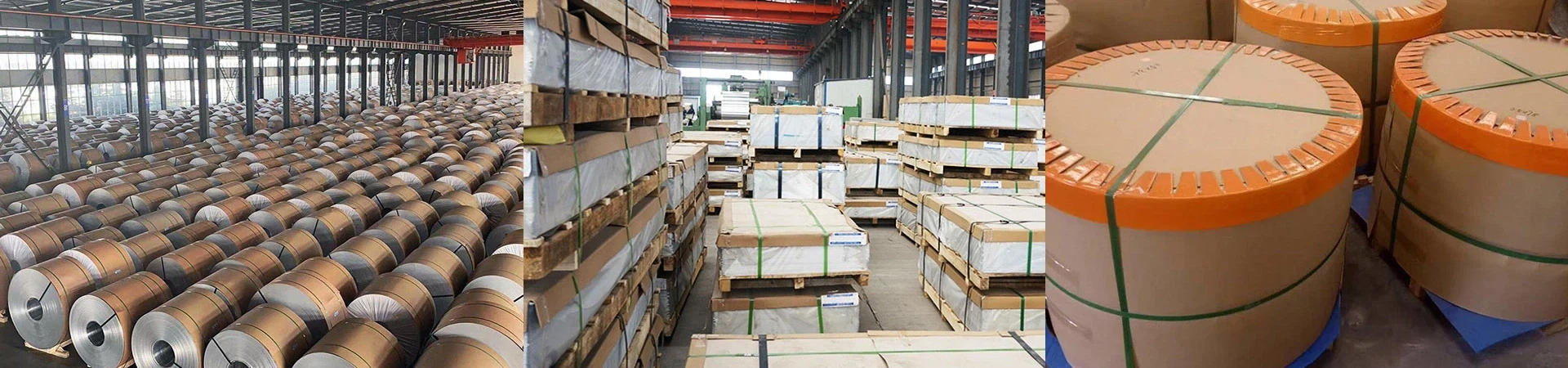
Elbows are packed to protect the beveled ends and the mill finish during transit. Standard packing uses fumigation free wooden cases or pallets with separators so fittings do not rub. For sea freight we add waterproof lining and desiccant to limit surface oxidation. Large or custom orders are crated to the item shape with end caps and clear marking of alloy, size, radius, and heat number.

Inspection and Testing
GNEE applies the following checks before shipment:
Material verification: review of the raw material certificate and positive material identification (PMI) when specified.
Dimensional inspection: outside diameter, wall thickness, center to end, and squareness checked against ASME B16.9 or B16.28.
Wall thickness check: measure at the bend and confirm minimum wall after forming.
Visual and surface inspection: check for cracks, folds, and surface defects.
Weld and NDT: dye penetrant testing (PT) or radiographic testing (RT) for fabricated welds when specified.
Pressure test: hydrostatic or pneumatic test only when required by the purchase order.
Documentation: material certificate (MTC EN 10204 3.1) and inspection report issued with the shipment.
Third party inspection by SGS, BV, or DNV can be arranged on request.

Why GNEE
GNEE is an aluminum pipe fitting manufacturer with 18 years of export experience. We supply both long radius and short radius aluminum elbows in multiple alloys, tempers, angles, and wall thicknesses, and we can combine several specifications and sizes in one order. Our minimum order quantity is flexible and is set by the size and quantity of each item, so both trial orders and bulk projects are supported. Standard sizes ship in about 15 to 35 days; custom or drawn items take about 25 to 45 days. Every order includes an MTC and can be supplied with third party inspection.
FAQ
What is the difference between a long radius and a short radius elbow? The centerline bend radius. A long radius elbow is 1.5 times the nominal pipe size (1.5D) and a short radius elbow is 1.0 times the nominal pipe size (1.0D). The short radius is more compact but creates more pressure drop.
Which standard covers aluminum LR and SR elbows? Dimensions follow ASME B16.9 for long radius and ASME B16.28 for short radius. The material specification for aluminum fittings is ASTM B361. Weld ends are prepared to ASME B16.25.
Does a short radius elbow have a lower pressure rating than a long radius elbow? No. The allowable pressure depends on the alloy, temper, wall thickness, temperature, and piping code, not on the radius. An LR and an SR elbow of the same size, alloy, and schedule have the same allowable pressure. Aluminum ratings must be established by design and are not read from steel rating tables.
Can I get a 45 degree short radius elbow? 45 degree elbows are supplied in long radius. Short radius 45 degree is not a standard stock item and is produced to approved drawings when required.
How much space does a short radius elbow save? The center to end of an SR 90 degree elbow equals the nominal pipe size, while an LR 90 degree elbow equals 1.5 times the nominal pipe size. For a 6 inch line, that is 152 mm versus 229 mm center to end.
What aluminum alloys are available for elbows? Common grades are 6061 T6, 5083 O or H116, 6063, 3003, 5086, 6082, and commercially pure 1050 or 1060. The choice depends on strength, corrosion resistance, and service temperature.
What information do I need to request a quote? Send the alloy and temper, angle, long or short radius, nominal size or actual outside diameter, wall thickness or schedule, standard (ASTM B361 / ASME B16.9 or B16.28), quantity, and any inspection or certificate requirements. If you have a drawing for a custom radius or size, include it.
Request a Quote
Tell GNEE your elbow angle, radius, size, alloy, wall thickness, and quantity, and we will return a quotation with lead time. For custom sizes above the standard range, send a drawing with outside diameter, wall thickness, angle, radius, center to end, and connection type. We handle mixed specifications and multi size orders with flexible MOQ and support both trial and bulk purchases.


